







More Than a Diet, It's a Philosophy
Forget what you think you know about 'diets'. The Mediterranean approach, recognized by the World Health Organization as a healthy eating pattern, is less about restriction and more about embracing a certain style of eating. The original Greek word for
diet, 'diaita', actually means 'way of life'. This perfectly captures the essence of this approach, which is rooted in the traditional eating habits of countries like Greece and Italy. It’s a framework that prioritizes whole, minimally processed foods, but the real secret lies in its emphasis on quality over quantity and complexity. Numerous studies have linked this eating pattern to significant health benefits, including a lower risk of heart disease, type 2 diabetes, and certain cancers, as well as improved mental health and longevity. But these benefits aren't achieved through complicated meal plans; they come from a simple focus on good ingredients.
What 'Quality' Really Means
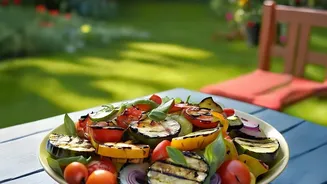
In the Mediterranean context, 'quality' refers to foods that are as close to their natural state as possible. This means an abundance of plant-based foods that are seasonally fresh and, ideally, locally grown. Think vibrant, ripe tomatoes in the summer, hearty greens in the cooler months, and fruits enjoyed at their peak sweetness. This principle extends to all food groups. Whole grains like whole wheat bread, brown rice, and quinoa are chosen over their refined counterparts. Legumes such as lentils and chickpeas are staples, valued for their simple, nutrient-dense profile. The goal is to fill your plate with ingredients that are minimally processed, allowing their natural flavours and nutritional benefits to shine through without the need for additives or excessive manufacturing.
The Golden Rule of Fat
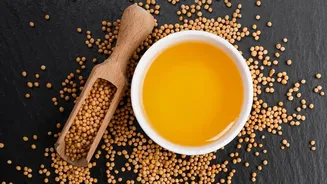
Nowhere is the emphasis on quality more apparent than with fat. The Mediterranean diet doesn’t fear fat; it celebrates the right kind. Extra virgin olive oil is the cornerstone, used for everything from cooking to dressing salads. The key is its quality. True extra virgin olive oil is unrefined and packed with unsaturated fats and antioxidants that are linked to reduced inflammation and better heart health. This is a stark contrast to diets that focus on cutting fat entirely. Instead, the Mediterranean approach involves replacing saturated and trans fats from butter and processed foods with high-quality, plant-based unsaturated fats. Nuts and seeds are another pillar, providing healthy fats and texture.
A Fresh Take on Protein
When it comes to protein, the Mediterranean philosophy again favours quality and moderation. The diet features weekly consumption of fish and poultry, with a strong preference for fresh fish rich in omega-3 fatty acids. Red meat is eaten sparingly, perhaps only a few times a month rather than a few times a week. This isn't a strict rule but a natural consequence of a diet built around plants, legumes, and seafood. The preparation is also key—simple cooking methods like grilling, baking, or stewing are preferred, which preserve the natural flavour and nutrients of the protein without adding excessive unhealthy fats. It’s about letting a beautiful piece of fresh fish be the star, seasoned simply with herbs and lemon.
The Lifestyle Framework
Ultimately, the food is just one part of the equation. The Mediterranean 'way of life' also includes daily movement, adequate rest, and strong social connections. Meals are often seen as social events to be shared and savoured with others, promoting mindful eating and preventing the rushed, distracted consumption common today. This holistic view is why it's considered one of the healthiest lifestyles in the world. It’s not just what’s on your plate, but how it gets there, how you eat it, and the life you build around it. By embracing this philosophy, you move away from restrictive dieting and toward a more intuitive and enjoyable relationship with food.