




A Junkyard Above Our Heads
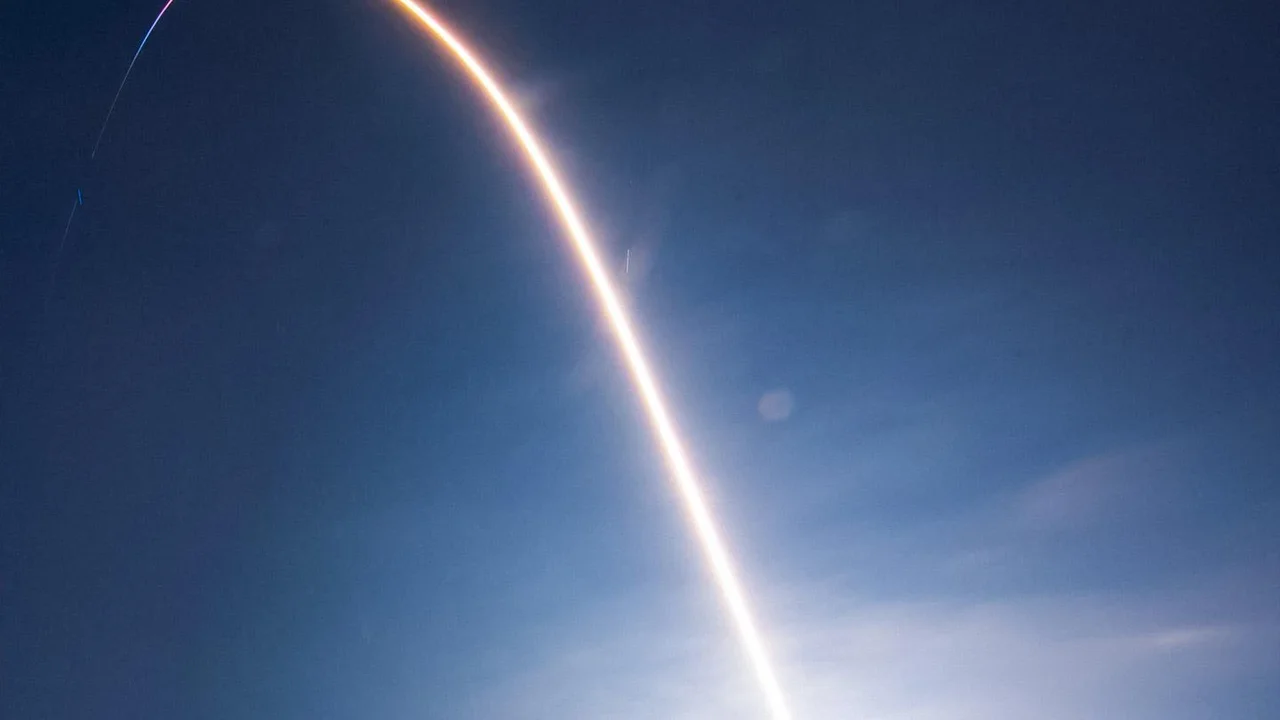
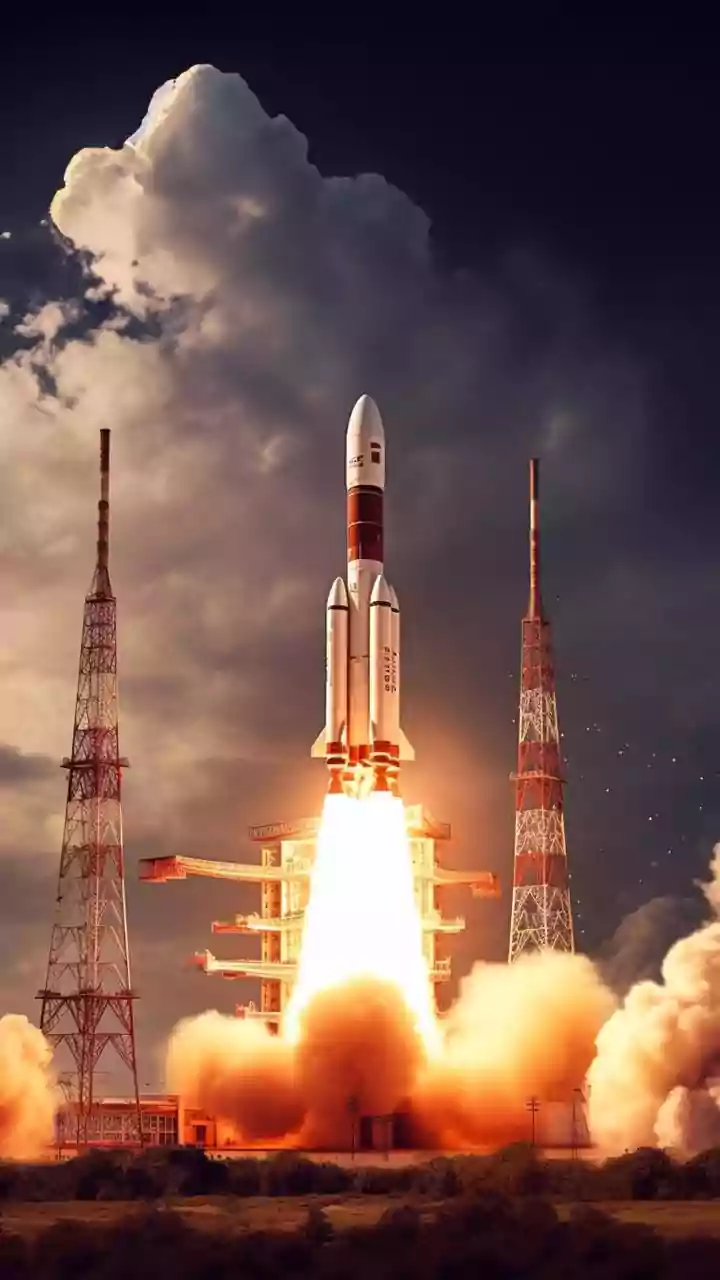
Imagine a highway with no rules, where disabled cars are abandoned in the fast lane and tiny, untraceable pieces of shrapnel travel at 7 kilometres per second. That’s the reality of low-Earth orbit (LEO) today. For decades, every rocket launch and satellite
deployment has left something behind. The result is a growing cloud of 'space junk,' from defunct satellites and spent rocket stages to minuscule fragments from collisions and explosions. The European Space Agency now tracks over 40,000 objects larger than 10 cm, but estimates there are over a million lethal but untrackable pieces between 1 and 10 cm in size. This debris poses a catastrophic risk to active satellites that power our GPS, weather forecasting, and global communications, not to mention the International Space Station, which already performs yearly manoeuvres to dodge debris.
Defining a Cleaner Path Forward
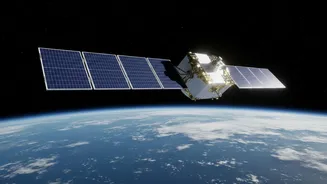
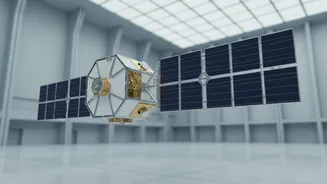
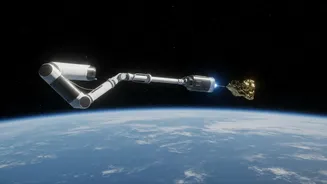
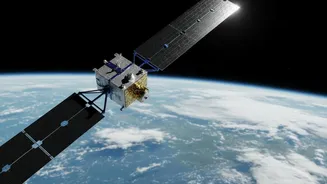
This is where the concept of sustainable satellite operations becomes a commercial and logistical necessity. It’s a shift from a 'launch and leave' mentality to responsible lifecycle management. The core idea is to prevent the creation of new debris and, eventually, to actively remove the most dangerous junk already up there. This involves designing satellites that can safely de-orbit and burn up in the atmosphere or move to a designated 'graveyard orbit' at the end of their life. It also includes building spacecraft with enough fuel for these final manoeuvres and developing technologies for in-orbit servicing, refuelling, and even debris capture. These principles form the heart of the agenda at the International Conference on Spacecraft Mission Operations (SMOPS), held in Bengaluru.
SMOPS-2026: From Theory to Practice
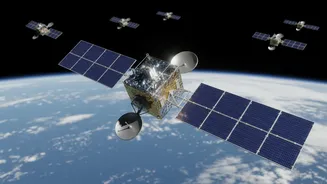
The theme for SMOPS-2026 is “Innovative Operations for Smart and Sustainable Space Mission Management – Next Generation.” Jointly organised by ISRO, the Astronautical Society of India (ASI), and the International Academy of Astronautics (IAA), the conference is a crucial forum for turning guidelines into action. While past discussions have established international guidelines, SMOPS focuses on the practical 'how'. The agenda includes sessions on large constellation management, automation, robotics, and advanced mission design. Experts from NASA, ESA, and other global agencies are sharing results from docking experiments and discussing AI-driven systems for autonomous collision avoidance. This is the 'practical test' mentioned in the headline—a concerted effort to operationalise sustainability, moving from policy papers to proven, real-world operational techniques.
India's Stake and Leadership
For India, the stakes are incredibly high. As a major spacefaring nation with ambitious plans for its Gaganyaan human spaceflight program and a burgeoning private space sector, ensuring a safe orbital environment is paramount. ISRO is not just a participant but a leader in this conversation. The agency has already committed to making all its missions debris-free by 2030. This initiative, known as DFSM (Debris Free Space Missions), requires meticulous design to avoid debris generation and ensure satellites and rocket stages are safely disposed of post-mission. ISRO has demonstrated this capability by successfully de-orbiting spent rocket stages and decommissioned satellites. By hosting SMOPS-2026 and establishing its own System for Safe and Sustainable Space Operations Management (IS4OM), India is signalling its intent to be a key architect of a safer, more sustainable future in space.