

A Strategy of 'Economic Asphyxiation'
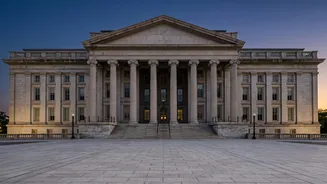
The latest US strategy, dubbed "Operation Economic Outcast" by Treasury Secretary Scott Bessent, represents a significant escalation in the financial pressure campaign against Iran. Announced on August 24, 2026, the initiative aims for what officials
call the "economic asphyxiation" of the Iranian regime. This new phase moves beyond the long-standing focus on Iran's oil exports and financial institutions to systematically target core pillars of its domestic and non-oil economy. The stated goal is to foreclose every financial option available to Tehran, forcing a choice between continued global isolation or changing its behaviour on the world stage. US officials have warned that the initiative includes powerful secondary sanctions, meaning foreign companies and countries continuing to do business with Iran in these targeted areas risk being cut off from the US financial system.
The Five Targeted Sectors
This intensified pressure is specifically aimed at five sectors identified as critical lifelines for the Iranian economy. These include: aviation, shipping, technology, gold, and digital assets. While previous executive orders had already laid the groundwork for sanctions on sectors like construction, manufacturing, textiles, and mining, this new push appears to focus on the channels Iran uses to evade existing sanctions and sustain its economy. The targeting of aviation and shipping aims to cripple Iran's ability to transport goods, including oil and weapons components. The focus on gold and digital assets, like cryptocurrency, is designed to shut down alternative financial routes the regime uses to circumvent the formal banking system.
Why These Sectors and Why Now?
According to the US Treasury, these five sectors are being exploited by Iran to fund its military, support proxy groups, and procure sensitive technologies. The timing of this "economic D-Day," as some officials have termed it, follows nearly six months of heightened conflict and aims to force a diplomatic endgame. The campaign seeks to close loopholes that have allowed Tehran to weather previous rounds of sanctions. By expanding the scope of sanctions, the US hopes to make it prohibitively risky for any global entity to engage with these key parts of Iran's economy, thereby cutting off revenue that Washington says is used for malign activities rather than for the benefit of the Iranian people.
Impact on Iran's Economy
Iran's economy was already facing a dire situation before this latest announcement. Years of sanctions have led to soaring inflation, a currency crisis, and a decline in the standard of living. The Iranian rial has plunged to record lows, and the International Monetary Fund has forecasted a significant contraction in the country's GDP. This new phase of economic pressure is designed to deepen that crisis. While the Iranian government has dismissed the measures, saying it is prepared for the economic battle, the sanctions have historically had a severe impact on ordinary Iranians and the country's middle class. Studies show that past sanctions directly correlated with rising inflation and reduced foreign investment.
The Global Reaction
A key component of this new US strategy is its extraterritorial reach. Washington has put other nations on notice, stating that world leaders must make a decision between doing business with America or with Iran. This puts major trading partners like China, the United Arab Emirates, and Turkey in a difficult position. While the US has said it will give countries a grace period to comply, the ultimate threat is losing access to the dollar-based global financial system. The effectiveness of this campaign will largely depend on the compliance of these third-party nations, some of whom have already expressed opposition to such pressure tactics. This sets the stage for a potential diplomatic friction as the US attempts to enforce this new, more aggressive phase of economic isolation.