


The Science of the Lean: Phototropism
This tendency for plants to grow toward a light source is a natural phenomenon called phototropism. Think of it as your plant's internal navigation system, constantly directing it to maximize sun exposure for photosynthesis—the process of converting light into
food. When a plant is outdoors, the sun moves across the sky, providing relatively even light from all angles. Indoors, however, the primary light source is often a single, stationary window. This one-sided light source is what triggers the noticeable lean as the entire plant contorts itself to capture as many rays as possible.
Meet the Growth Hormone: Auxin
The mechanism behind this movement is controlled by a group of plant hormones called auxins. These powerful chemicals are produced in the growing tips of stems and are sensitive to light. When light shines directly on a plant from one side, the auxins migrate to the shaded side of the stem. This concentration of auxins on the darker side stimulates the cells there to elongate and grow faster than the cells on the brighter side. This uneven growth rate is what causes the stem to physically bend and lean toward the light source.
More Than a Lean: Signs of Low Light
A one-sided lean isn't the only sign your plant is desperate for more light. You might also notice a condition called etiolation, often referred to as 'legginess'. This happens when a plant in low light prioritizes reaching a light source above all else. Symptoms of etiolation include abnormally long, thin, and weak stems, with large gaps between the leaves. The leaves themselves may be smaller than usual and pale green or yellowish due to a lack of chlorophyll. While this is a survival strategy, it results in a weak and often unhealthy plant.
The Easiest Fix: A Simple Rotation
Fortunately, correcting a lopsided plant is incredibly simple: just rotate it. By giving your plant a quarter turn every week or so, you ensure that all sides receive relatively equal exposure to the light source. This helps distribute the auxins more evenly and encourages balanced, upright growth rather than a one-directional lean. A good habit is to rotate your plants every time you water them, making it an easy step to remember in your care routine.
Finding the Right Spot for Your Plant
While rotation is key, initial placement is just as important. Understanding the light in your home can make a huge difference. South-facing windows typically offer the most intense, direct light, ideal for sun-loving plants like succulents. East-facing windows provide gentle morning sun, which is perfect for many tropical houseplants, while west-facing windows get stronger afternoon sun. North-facing windows offer the least amount of light and are best suited for low-light tolerant species. Matching your plant's needs to the window's direction can prevent the most dramatic leaning from the start.
When Rotation and Placement Aren't Enough
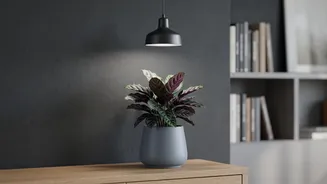
In homes with limited natural light, even consistent rotation might not be enough to keep a plant happy. If your plant continues to look leggy and pale, it may be time to consider supplemental lighting. Modern LED grow lights are energy-efficient and available in full-spectrum options that mimic natural daylight. You don't need a complex setup; a single grow light bulb in a standard lamp, positioned above the plant, can provide the overhead light needed to encourage strong, vertical growth and prevent leaning. For very top-heavy or tall plants, adding a stake or moss pole for support can also help train it to grow upright.