




The Modern Quest for a Stronger Core
The conversation around core strength has moved beyond the simple desire for a six-pack. For young urban Indians juggling demanding careers and active social lives, a strong core is the foundation of overall health. It's about maintaining good posture
during long hours at a desk, preventing back pain, and having the functional strength for everything from lifting groceries to performing in a sport. This has sparked a debate in fitness circles: what is the most effective way to build that powerhouse? Two very different methods are at the forefront of this discussion: Pilates and circuit training.
Pilates: The Art of Precision
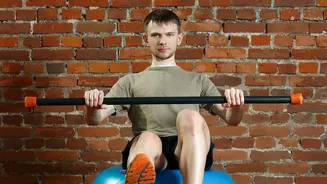
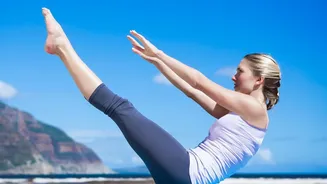
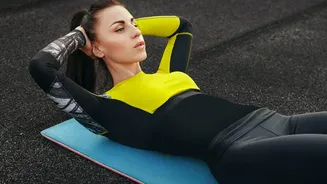
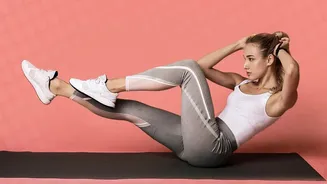
Pilates is a low-impact workout method built on six key principles: concentration, control, centering, flow, precision, and breathing. Its primary focus is strengthening the 'powerhouse'—the deep stabilizing muscles of your abdomen, lower back, hips, and glutes. Rather than performing endless crunches, Pilates uses controlled, deliberate movements that target the transverse abdominis and multifidus, muscles often missed in traditional workouts. This 'inside-out' approach is celebrated for its ability to improve spinal alignment, enhance posture, and build a lean, sculpted midsection. It is less about high-intensity burn and more about creating deep, functional stability. The popularity of Pilates has been amplified by Bollywood celebrities like Deepika Padukone and Sara Ali Khan, who showcase its benefits for achieving a toned physique and enhancing flexibility.
Circuit Training: The Power of Intensity
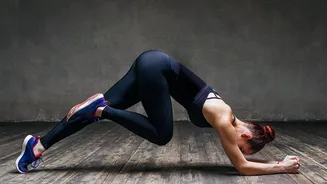
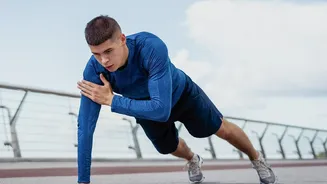
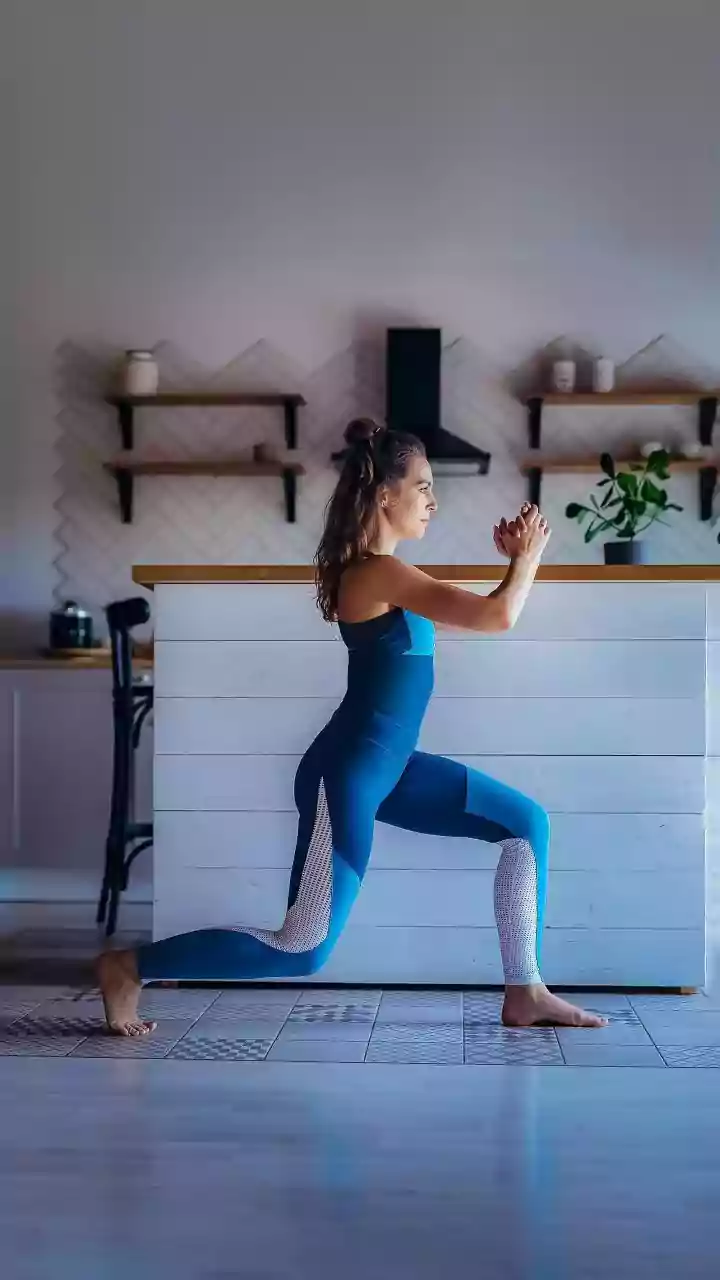
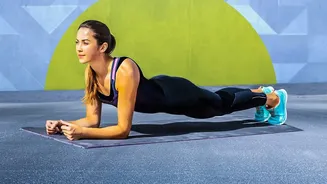
Circuit training sits at the opposite end of the fitness spectrum. It involves performing a series of different exercises in quick succession with minimal rest in between. A typical circuit combines strength exercises (like push-ups and squats) with cardiovascular bursts (like jumping jacks or mountain climbers). This approach keeps your heart rate elevated, making it an efficient way to burn calories and improve overall fitness simultaneously. While not exclusively a 'core workout', many circuit exercises are compound movements that require significant core engagement to maintain stability and form, effectively strengthening the entire midsection in a dynamic way. For the time-crunched urban professional, a 30-minute circuit can offer a full-body workout that delivers both strength and cardio benefits.
A Head-to-Head Comparison for Your Core
When placed side-by-side, the two methods reveal their unique strengths. Pilates excels at targeting deep, intrinsic core muscles responsible for posture and spinal stability. Its controlled nature makes it a safer option for those new to fitness or recovering from injury. Circuit training, on the other hand, builds core strength in a more athletic, functional context. It challenges the core to stabilize the body during explosive, multi-joint movements, which can translate directly to better performance in sports and daily activities. In terms of aesthetics, Pilates tends to build longer, leaner-looking muscles, while the high-intensity nature of circuits is more effective for overall fat loss, which can help reveal abdominal definition. The choice often comes down to the individual's primary goal: meticulous control and posture correction versus high-calorie burn and dynamic power.
The Verdict for the Urban Indian
So why is this comparison so relevant for young urban Indians today? It reflects a broader shift in wellness culture. There's a growing appreciation for functional fitness that supports a modern lifestyle. Pilates appeals to those seeking a mindful practice that corrects the postural damage of a desk-bound life, influenced by a wave of celebrity endorsements. Circuit training caters to the efficiency-driven mindset, offering maximum results in minimum time, a key factor in bustling city life. The trend is less about one being definitively 'better' and more about personalizing fitness. Many are even combining both, using Pilates to build a stable foundation and circuit training to add intensity and cardiovascular conditioning, creating a well-rounded and resilient body.