





Understanding Functional Superfoods
The terms "superfood" and "functional food" are often used in marketing, but there's a real concept behind them. A functional food is one that offers health benefits beyond basic nutrition. It's not just about vitamins and minerals; it's about containing
specific bioactive compounds that can positively affect your body's functions. When it comes to joint health, these foods contain natural ingredients that can help fight inflammation, protect cartilage, and improve the fluid that lubricates your joints. Think of them as foods with a job to do.
The Root Cause of Joint Discomfort
To understand how these foods help, it's useful to know what's causing the problem. Much joint discomfort stems from two key issues: inflammation and the breakdown of cartilage. Inflammation is your body's natural response to injury, but when it becomes chronic, it can lead to persistent pain and stiffness. Inflammatory molecules like cytokines can cause ongoing irritation in the joint. At the same time, cartilage—the smooth, rubbery tissue that cushions your bones—can wear down. This loss of cushioning increases friction, making movement painful and difficult.
The Anti-Inflammatory All-Stars
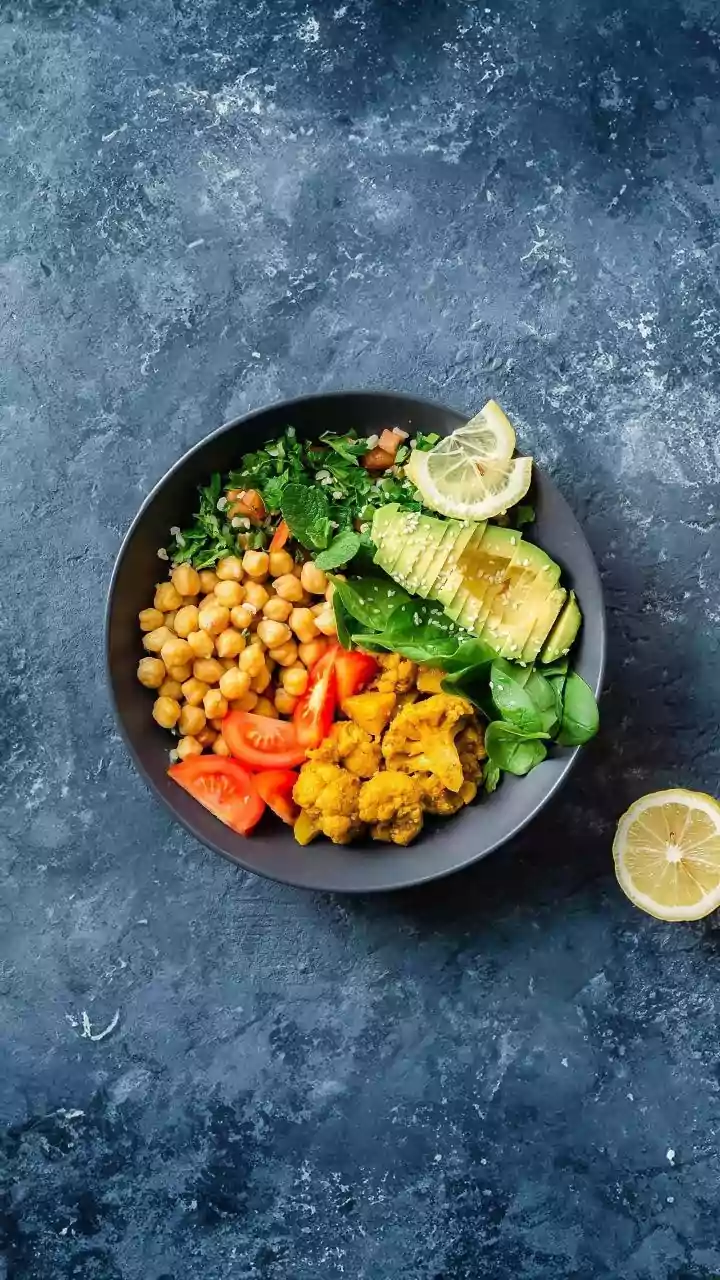
This is where functional foods really shine. Many contain potent anti-inflammatory compounds. Turmeric, a staple in Indian kitchens, contains curcumin, a powerful substance that can block inflammatory pathways in the body. Studies have shown it can be effective in reducing the pain and swelling associated with arthritis. Similarly, the omega-3 fatty acids found in fatty fish like salmon, mackerel, and sardines are renowned for their ability to reduce the production of inflammatory molecules. These healthy fats essentially tell your body to calm the inflammatory response, leading to less pain and stiffness.
Protecting and Lubricating Your Joints
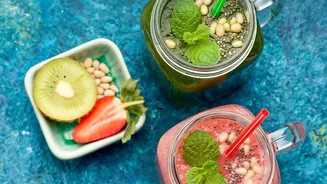
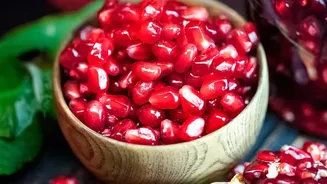
Beyond fighting inflammation, certain foods help protect and even support the structures of the joint itself. Berries, for example, are packed with antioxidants and polyphenols called anthocyanins, which not only give them their vibrant colour but also help protect cartilage from damage caused by oxidative stress. Leafy greens like spinach and broccoli contain compounds that can support bone health and may even slow cartilage breakdown. Other foods, like those rich in healthy fats and water, contribute to the health of synovial fluid, the natural lubricant in your joints that ensures smooth, friction-free movement.
Your Joint-Friendly Shopping List
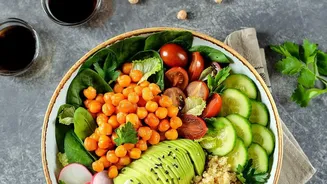
Incorporating these foods into your diet can be a delicious way to support your joints. Here are a few key players to add to your grocery list: - Fatty Fish: Salmon, sardines, and mackerel are excellent sources of anti-inflammatory omega-3s (EPA and DHA). - Nuts and Seeds: Walnuts, chia seeds, and flaxseeds offer a plant-based source of omega-3s. - Berries: Blueberries, strawberries, and cherries are loaded with antioxidants that protect cartilage. - Leafy Greens: Spinach, kale, and broccoli are full of vitamins and compounds that support joint and bone health. - Turmeric and Ginger: These spices are known for their potent anti-inflammatory properties. - Olive Oil: Extra virgin olive oil contains oleocanthal, a compound with anti-inflammatory effects similar to ibuprofen. - Green Tea: Rich in polyphenols that can help reduce inflammation and protect cartilage.