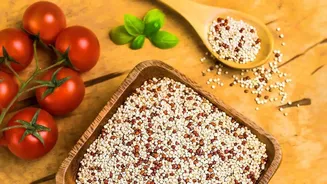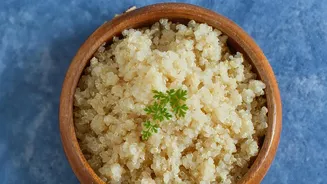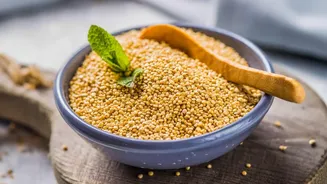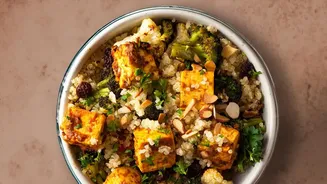





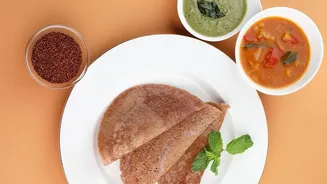
In the quest for healthier eating, two grains often take centre stage: the globally trendy quinoa and the traditional Indian powerhouse, ragi. But which one truly deserves a place on your daily plate? This guide breaks down the comparison for you.
A Tale of Two Grains
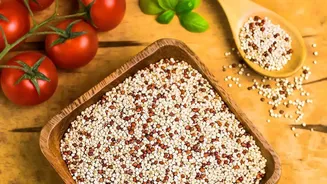
Quinoa,
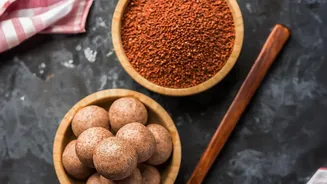
a seed native to South America, gained worldwide fame for being a 'complete protein' containing all nine essential amino acids. It's celebrated in modern health circles and often found in salads and bowls. On the other hand, Ragi, or finger millet, is an ancient grain that has been a staple in parts of India and Africa for thousands of years. Deeply rooted in Indian culinary traditions, especially in southern states, this humble millet is known for its resilience and nutritional might. Both are gluten-free and lauded for their health benefits, but they serve different needs and budgets.
The Nutritional Showdown
When comparing them nutritionally, there isn't one clear winner; each has unique strengths. Quinoa typically leads in protein content, offering about 14 grams per 100g (raw) compared to ragi's 7-10 grams. However, ragi is the undisputed champion of calcium. It contains around 344 mg of calcium per 100g, which is nearly seven times more than quinoa. This makes ragi an exceptional choice for bone health, especially for children and women. While some data suggests quinoa has a slight edge in iron, other sources highlight that certain millets like bajra (pearl millet) contain significantly more iron than both ragi and quinoa. For fibre, ragi often comes out ahead, which aids in digestion and promotes a feeling of fullness.
The Cost Factor: A Decisive Win for Ragi
For everyday meal planning in India, cost is a critical factor, and this is where ragi wins by a landslide. Quinoa is largely imported or grown in limited quantities, making it a premium product. Its price can range from ₹300 to ₹600 per kilogram. In stark contrast, ragi is locally grown, widely available in any kirana store, and costs a fraction of that, typically between ₹40 and ₹120 per kilogram. For a family consuming grains daily, this price difference is substantial, making ragi the far more affordable and sustainable choice for regular consumption.
In the Kitchen: Versatility and Taste
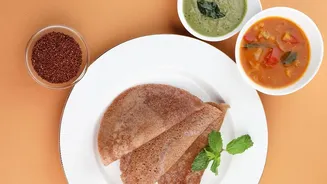
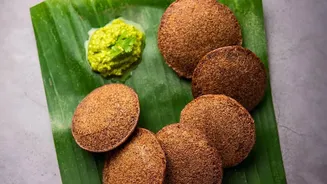
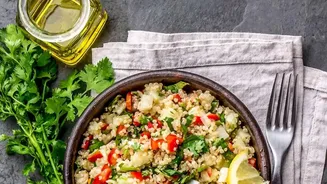
Ragi has been woven into the fabric of Indian cooking for centuries. It's the star ingredient in dishes like ragi mudde (soft balls) in Karnataka, dosas, rotis, and nutritious porridge or malt. Its earthy flavour is familiar and blends seamlessly into traditional recipes. Quinoa has a milder, nuttier taste and a different texture. While it's versatile enough to be used in Indian dishes like upma, khichdi, and pulao, it often requires adapting recipes. For many home cooks, ragi’s deep culinary roots make it an easier and more natural fit for daily meals.
Health Benefits and Blood Sugar Control
Both grains are excellent for health management. They are gluten-free, making them suitable for those with sensitivities. When it comes to managing blood sugar, both have a low to medium glycaemic index (GI), meaning they release sugar into the bloodstream slowly. Quinoa’s GI is around 53, while ragi's is comparable. Ragi is also noted for its high fibre content, which helps in weight management by keeping you feeling full for longer. Its rich mineral profile, particularly its high calcium and iron content, helps address common nutritional deficiencies and supports overall well-being.