





The Science of a Superfood Colour
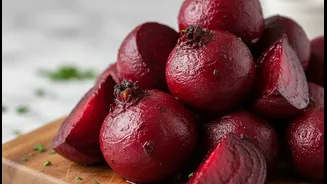
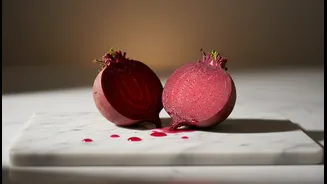
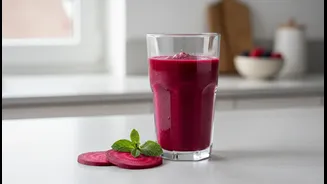
That deep, unmistakable red doesn't just look good; it's a sign of potent nutrients at work. The colour comes from a class of antioxidants called betalains, specifically a pigment named betanin. Unlike the pigments in many other red fruits and vegetables,
betalains are particularly powerful antioxidants with anti-inflammatory properties. Studies suggest these compounds help protect cells from damage, support liver function, and may reduce the risk of chronic diseases. So, when you see that vibrant colour, think of it less as a dye and more as a powerful health booster that’s ready to liven up your plate and your body.
More Than Just a Pretty Pigment
While the betalains get the most attention, beetroots are a nutritional powerhouse in other ways, too. They are naturally high in nitrates, which the body converts to nitric oxide. This compound helps relax and widen blood vessels, which can contribute to lower blood pressure and improved blood flow. This process is also what makes beetroot juice a popular supplement among athletes looking to boost stamina and performance. Furthermore, beetroots are a good source of fibre, which aids digestion, and essential micronutrients like folate, manganese, and potassium, which support everything from cell function to nerve transmission.
Kitchen Prep: Your Stain-Free Game Plan
The best way to deal with beetroot stains is to prevent them from happening in the first place. A little preparation goes a long way. Consider wearing gloves when handling raw or cooked beets. To protect your surfaces, use a dedicated cutting board; glass or plastic boards are less porous and easier to clean than wooden ones. You can also lay down parchment paper as a barrier. Another clever trick is to boil or roast beets with their skin on. The skin helps contain the colour and peels off easily once cooked, minimising your direct contact with the potent juice.
The Inevitable Stain: A Damage Control Guide
If a spill does happen, act fast. For stains on clothing or fabric, immediately rinse the area from the back with cold water to push the stain out of the fibres. Hot water should be avoided as it can set the stain. After a cold rinse, you can treat the spot with dish soap, white vinegar, or lemon juice before washing as usual. For stained hands or cutting boards, a paste made of salt or baking soda mixed with lemon juice can work wonders. Apply the paste, let it sit for a few minutes, and then scrub gently before rinsing.
From Stain to Star: Cooking with Colour
Instead of fighting the colour, celebrate it. Beetroot's vibrant hue can be used as a natural food colouring to make your meals stunning. Blend a small amount of cooked beetroot into hummus for a brilliant pink dip. Use beetroot powder or juice to create red velvet cakes, colourful pasta dough, or festive pink-tinted frosting. It adds an earthy sweetness and a visual pop to soups like borscht or can be grated raw into salads for a burst of colour and texture. By seeing its staining power as a creative tool, you can turn a potential problem into the star of your dish.