




Understanding Sacred Significance
Many lakes in Northeast India, particularly in Sikkim and Arunachal Pradesh, are deeply revered by local communities. Khecheopalri Lake in West Sikkim, known as a 'wish-fulfilling lake', is sacred to both Buddhists and Hindus. Legend holds that birds
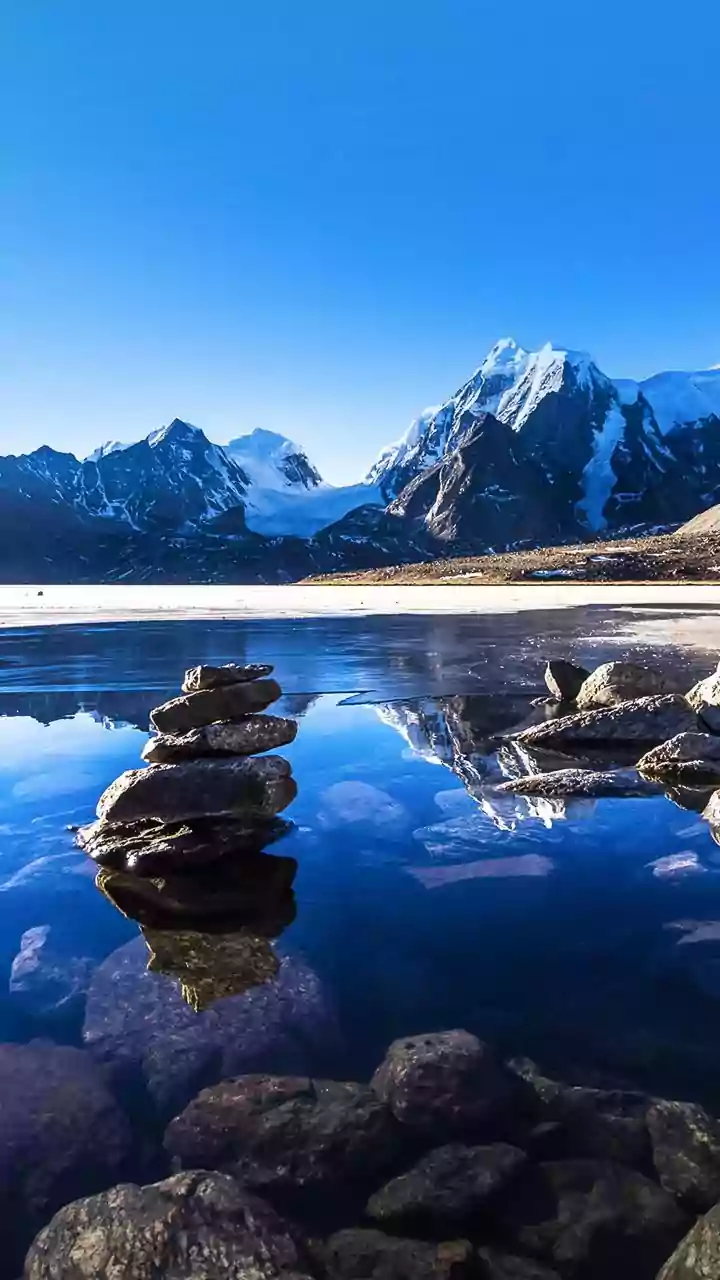
prevent any leaves from floating on its surface, keeping it pristine. Similarly, Gurudongmar Lake in North Sikkim is venerated by Buddhists, Sikhs, and Hindus. This sacred status is the foundation for most conservation rules. When visiting, the primary rule is to recognise that you are in a place of worship. This means maintaining silence, dressing modestly, and refraining from activities that disrespect the local faith. The waters are often considered holy and are to be used only for rites and rituals, not for swimming, boating, or washing.
Know Before You Go: Permits and Restrictions
Access to many high-altitude lakes is regulated through a permit system due to their proximity to international borders and their sensitive environments. For destinations like Tsomgo Lake and Gurudongmar Lake in Sikkim, Indian tourists need a Protected Area Permit (PAP), which is typically arranged by registered tour operators in Gangtok. It's crucial to note that foreign nationals are often restricted from certain areas; for instance, they are generally not permitted to visit Gurudongmar Lake at all. Always check the latest rules before planning your trip, as access can change due to weather or road conditions. Self-driving is often not allowed in these zones; travel must be in a vehicle registered with an authorised local operator. These regulations are not just bureaucracy; they are in place to manage tourist flow and protect both the visitors and the fragile high-altitude environment.
The 'Leave No Trace' Principle
The pristine beauty of these lakes is threatened by pollution, particularly from single-use plastics. States like Sikkim have some of India's strongest environmental policies, with outright bans on many single-use plastic items. As a traveller, the most important contribution you can make is to follow the 'leave no trace' philosophy. Carry a reusable water bottle to avoid buying packaged water. Do not litter under any circumstances; if you cannot find a designated dustbin, carry your waste back with you. At Tsomgo Lake, a community-led conservation committee, the Tsomgo Pokhri Sanrakshan Samiti, manages waste by collecting a small conservation fee from tourists. This initiative has been instrumental in cleaning the lake and its surroundings, proving that community involvement is key to sustainable tourism.
Respecting Wildlife and Ecosystems
The lakes are not just bodies of water; they are critical habitats. Loktak Lake in Manipur, famous for its floating islands or 'phumdis', is home to the Keibul Lamjao National Park, the world's only floating national park and the last natural habitat of the endangered Sangai deer. Conservation efforts here are focused on managing the unique ecosystem, which has been impacted by human activity and the construction of a barrage. When visiting such areas, it's vital to respect wildlife. Do not feed animals or birds, as this disrupts their natural behaviour. Avoid loud music inside protected areas and stick to designated trails. Fishing and boating are often prohibited or heavily regulated to protect aquatic life and prevent disturbances.
Engaging with Local Communities
Responsible tourism is about more than just following rules; it's about positively contributing to the places you visit. The conservation of these lakes is deeply intertwined with the well-being of local communities who have been their custodians for centuries. Many conservation projects in the Northeast actively involve village councils and biodiversity management committees, blending traditional knowledge with modern methods. As a visitor, you can support this by hiring local guides, staying in community-run homestays, and purchasing local handicrafts. This not only provides a more authentic travel experience but also ensures that the economic benefits of tourism flow directly to the people who are at the forefront of protecting these natural treasures.