








Turmeric: The Golden Healer
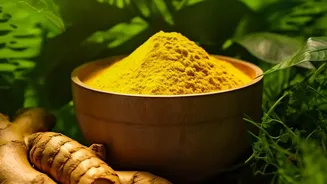
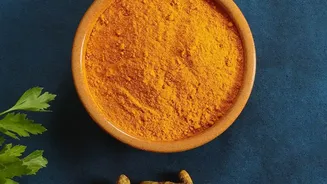
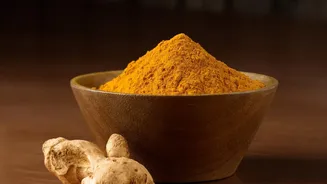
Turmeric, or haldi, is more than just a spice; it’s a cornerstone of Indian culture and Ayurvedic medicine. Derived from the root of the Curcuma longa plant, its brilliant golden-yellow hue comes from curcumin, its main active ingredient. For thousands
of years, it has been used not just in cooking but also in traditional remedies for a variety of ailments, from skin disorders to digestive issues. Curcumin is a polyphenol with properties that have captured the attention of modern science, making turmeric a subject of extensive research worldwide. It is this compound that is believed to be responsible for most of turmeric's acclaimed health properties.
The Science of Curcumin’s Power
The primary reason for the scientific community's interest in turmeric is curcumin's potential anti-inflammatory and antioxidant effects. Inflammation is a natural bodily process, but when it becomes chronic, it's linked to numerous health conditions. Studies suggest that curcumin may help manage this response. Research has explored its role in alleviating symptoms of arthritis, managing inflammatory eye conditions, and supporting kidney health. As an antioxidant, curcumin may help protect the body by neutralizing free radicals, which are unstable molecules that can damage cells. While much of the research is promising, it is still developing, and many studies use concentrated extracts rather than the amounts typically used in cooking.
Ginger: The Zesty Protector
A close relative of turmeric, ginger (adrak) provides a pungent, spicy-sweet kick to both food and drink. Its main bioactive compound is gingerol, which is responsible for many of its medicinal properties. Like turmeric, ginger has a long history in traditional and alternative medicine, especially in Asia. It’s a go-to remedy for aiding digestion, fighting the common cold, and famously, for reducing nausea. In Ayurveda, both ginger and turmeric are considered essential for balancing the body's systems and strengthening digestive fire, or 'Agni'. The warming effect of ginger is also thought to boost blood circulation.
What Research Says About Gingerol
Gingerol is credited with powerful anti-inflammatory and antioxidant properties, similar to curcumin. Scientific studies have shown ginger can be highly effective against nausea, including morning sickness during pregnancy and chemotherapy-related symptoms. Its anti-inflammatory effects have been studied for their potential to reduce symptoms of osteoarthritis. Some research also suggests that the compounds in ginger may help protect against cognitive decline associated with conditions like Alzheimer's disease by inhibiting inflammatory responses in the brain, though more human studies are needed.
Easy Ways to Boost Your Daily Intake
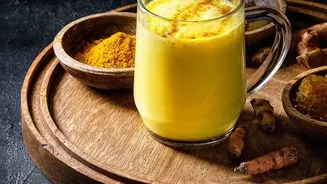
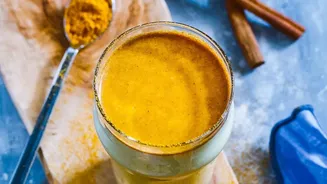
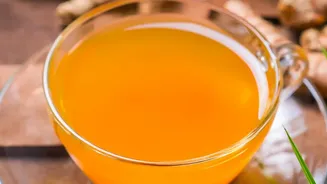
Incorporating more of these spices is simple. Start your day with a warm ginger-turmeric tea, adding a squeeze of lemon and a dash of honey. Grate fresh ginger and turmeric into smoothies, juices, or your morning oatmeal. They are fundamental to most Indian curries, but don't stop there. Add them to marinades for chicken or fish, sprinkle them into soups and lentil dals, or toss them with roasted vegetables. A pinch of turmeric can even be added to the water when cooking rice or quinoa for a beautiful colour and a subtle flavour boost.
Maximising Their Potential
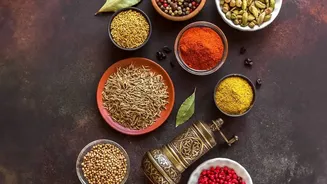
To get the most out of these spices, a few simple tricks can help. The curcumin in turmeric has poor bioavailability, meaning it's not easily absorbed by the body. However, combining it with black pepper can significantly increase absorption. The key compound in pepper, piperine, helps make curcumin more available. Consuming turmeric with a source of healthy fat, like coconut oil, ghee, or nuts, also aids absorption as curcumin is fat-soluble. Finally, applying heat, as is done in cooking, can also help activate the compounds in turmeric, making them more accessible to your body.