







Understanding the Enemy: Inflammation
Before we get to the food, it's helpful to know what we're up against. For many people, persistent joint pain is linked to chronic inflammation. When your body is in an inflammatory state, it can speed up the breakdown of cartilage—the protective cushion
in your joints. This process can be driven by lifestyle factors, and diet is a major one. Foods high in processed sugars, saturated fats, and refined carbohydrates can trigger the release of inflammatory messengers, making aches and stiffness worse. The good news is that other foods can do the exact opposite, helping to calm this inflammation and protect your joints from long-term damage.
Fatty Fish: A Shield for Your Cartilage
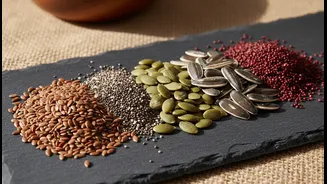
Fatty fish like salmon, mackerel, sardines, and tuna are consistently praised for their joint-protecting benefits. The reason is their high concentration of omega-3 fatty acids, which have powerful anti-inflammatory properties. These healthy fats work by reducing the production of inflammatory molecules like cytokines and prostaglandins that contribute to joint swelling and pain. Studies suggest that a regular intake of omega-3s may not only ease existing symptoms but also help slow the enzymes that degrade cartilage, offering a layer of protection against conditions like osteoarthritis. Aim for at least two servings of fatty fish per week. If you're not a fan of fish, plant-based sources like flaxseeds, chia seeds, and walnuts are also excellent choices.
Berries: Antioxidant Powerhouses
Colourful fruits, especially berries like strawberries, blueberries, and raspberries, are loaded with antioxidants. One key group of these antioxidants is called anthocyanins, which give berries their vibrant red and purple hues. These compounds are effective at fighting oxidative stress, a process that damages cells and contributes to inflammation and joint deterioration over time. Think of antioxidants as a defensive team for your cells, neutralizing harmful molecules before they can cause trouble. Adding a handful of berries to your morning yoghurt, oatmeal, or smoothies is an easy and delicious way to boost your joint-defending antioxidant intake.
Leafy Greens and Cruciferous Veggies
Vegetables like spinach, kale, and broccoli are nutritional superstars for a reason. They are packed with vitamins and minerals, but for joint health, their high levels of antioxidants and specific compounds are key. Spinach, for example, contains an antioxidant called kaempferol, which has been shown to reduce the inflammatory agents associated with rheumatoid arthritis. Cruciferous vegetables like broccoli can help lower the inflammatory markers found in your blood. These greens are also rich in vitamin K, which is essential for healthy bones and cartilage. Aiming for several servings a week can contribute significantly to your body's anti-inflammatory arsenal.
Nuts, Spices, and Olive Oil
It's not just main courses that make a difference; the small additions count, too. Walnuts are particularly beneficial for joints as they are one of the best plant-based sources of omega-3 fatty acids. Spices like turmeric and ginger have also been studied for their anti-inflammatory effects. The active compound in turmeric, curcumin, is a well-known anti-inflammatory agent. Similarly, some studies have shown ginger can reduce knee pain in people with osteoarthritis. Finally, swapping other cooking fats for extra virgin olive oil can help. It's rich in healthy monounsaturated fats and contains a compound called oleocanthal, which has properties similar to anti-inflammatory drugs.