





The Buzzworthy Claim
Imagine gaining muscle and strength while sitting on your couch. That’s the tantalizing idea sparked by a recent study from Texas A&M University. News outlets quickly picked up on findings that suggested middle-aged adults (ages 45-65) who took creatine
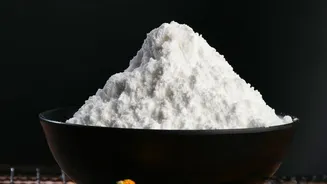
supplements gained lean muscle mass and even improved their strength without being on a structured exercise program. In the study, participants who took 10 grams of creatine daily for 12 weeks saw an increase in lean tissue of about 1.1 kg (2.4 pounds) and showed improvements in leg and bench press strength, even in the non-exercising group. This led to a wave of excitement and the inevitable question: have we finally found a supplement that makes the gym optional?
What the Study Actually Revealed
While the headlines are partially true, they miss the crucial context. The study's primary takeaway was not that creatine is a replacement for working out. In fact, the group that combined creatine with diet and exercise saw far superior results. Their strength gains were roughly double those of the group that only exercised, and they lost more body fat while adding lean mass. The researchers themselves noted that the most significant benefits occurred when the supplement was paired with training. The modest strength gains in the non-exercising group were an interesting secondary finding, but they were minor compared to what was achieved with actual physical activity. Furthermore, researchers caution that an increase in 'lean tissue' might partly reflect water retention in the muscles, a known effect of creatine, and not purely new muscle fibre.
Exercise: The Non-Negotiable Pillar of Health
This is the most important part of the conversation. Even if a supplement could perfectly replicate the muscle-building effects of lifting weights—which it can't—it would still fail to replace exercise. Regular physical activity offers a vast spectrum of health benefits that no pill can deliver. Exercise strengthens your heart, improves blood circulation, and reduces the risk of cardiovascular diseases. It enhances insulin sensitivity, helping to regulate blood sugar levels and ward off metabolic disorders. It triggers the release of endorphins, which boost mood and combat stress and anxiety. Furthermore, weight-bearing exercise is critical for maintaining bone density, which is something creatine does not directly influence. The systemic, holistic benefits of moving your body are simply irreplaceable.
So, What Is Creatine Actually Good For?
Creatine remains one of the most well-researched and effective supplements available, but its role is to support, not substitute. Its primary function is to help your muscles produce energy during short bursts of high-intensity activity, like sprinting or lifting heavy weights. By allowing you to push a little harder or complete an extra repetition, it enhances the effectiveness of your training over time, leading to greater gains in strength and muscle mass. Emerging research also points to potential cognitive benefits. Studies have suggested creatine may improve short-term memory and reasoning, particularly in older adults or those under stress, as the brain is also an energy-hungry organ. However, even these cognitive findings are often modest or specific to certain tasks.
The Final Verdict
Think of supplements as a supporting cast, not the main star of your health journey. The foundational elements of good health remain unchanged: a balanced diet, consistent exercise, and adequate sleep. The recent creatine study is exciting because it adds to our understanding of how this compound can support muscle health, especially as we age. It highlights a potential role for creatine in preserving muscle mass in situations where exercise might be difficult, such as during injury recovery. But interpreting it as a green light to skip your workouts is a misreading of the science. The best results—for your muscles, your mind, and your overall well-being—will always come from combining smart supplementation with the hard work of a consistent exercise routine.