





The Science of Hair Protection
Our hair goes through a lot. Daily grooming practices like washing, combing, and heat styling can damage the hair's structure, leaving it brittle and prone to breakage. This damage often comes down to protein loss. Hair is primarily made of a protein called
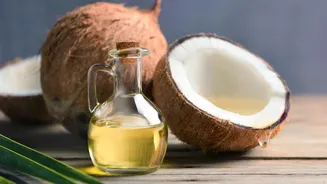
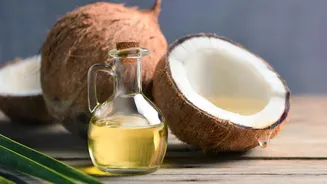
keratin. When the protective outer layer, the cuticle, is damaged, these essential proteins can leach out, particularly when hair is wet and at its most vulnerable. One landmark 2003 study published in the Journal of Cosmetic Science investigated how different oils could mitigate this damage. Researchers compared the effects of coconut oil, sunflower oil, and mineral oil on preventing protein loss in both undamaged and damaged hair. The results were clear: coconut oil significantly reduced protein loss when used as a pre-wash or post-wash treatment, while the other two oils showed little to no effect.
The Secret Ingredient: Lauric Acid
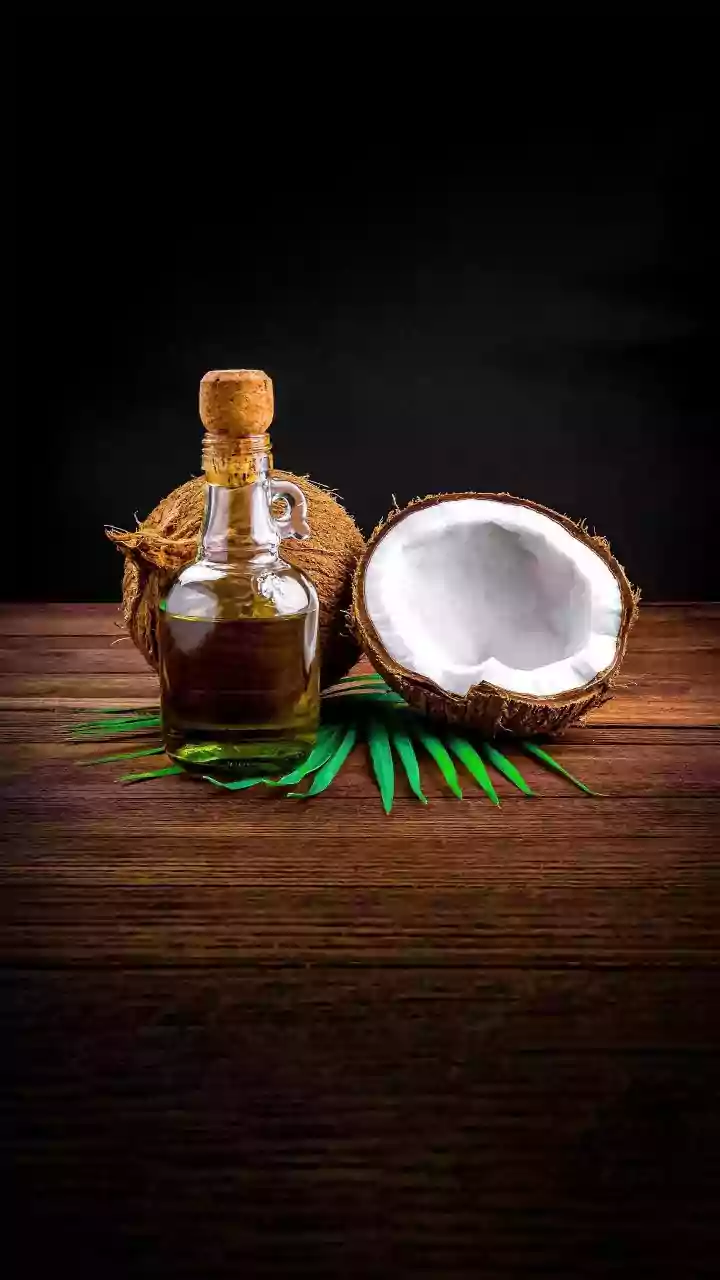
So, what makes coconut oil so special? The answer lies in its chemical makeup. Coconut oil is predominantly made up of a medium-chain fatty acid called lauric acid. This gives the oil a small, straight molecular structure, which allows it to do something most other oils cannot: penetrate deep into the hair shaft, past the cuticle and into the cortex. Oils like sunflower oil and mineral oil have bulkier structures, which means they tend to just coat the surface of the hair. By getting inside the hair shaft, coconut oil can bind to hair proteins, reinforcing the hair from within and reducing the amount of protein lost during washing. It also limits how much water the hair absorbs, reducing the swelling and drying cycle (known as hygral fatigue) that contributes to long-term damage.
How to Use It for Best Results
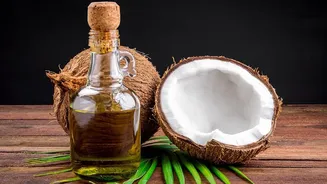
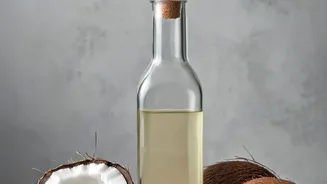
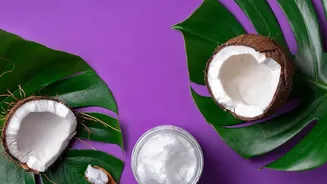
The research points to one particularly effective method: the pre-wash treatment. Applying coconut oil to dry hair before you shampoo gives the lauric acid time to penetrate the shaft and work its protective magic. Start with a small amount of virgin or unrefined coconut oil, warmed between your palms to liquefy it. Focus on applying it to the mid-lengths and ends, which are typically the driest and most damaged parts of your hair. A little goes a long way. Let it sit for at least 30 to 60 minutes; for a more intensive treatment, you can even leave it on overnight with your hair wrapped in a towel or shower cap. Afterwards, shampoo and condition as you normally would. You may need to shampoo twice to thoroughly remove all the oil, especially if you have fine hair.
Is It Right for Every Hair Type?
While coconut oil offers significant benefits, it may not be the perfect fit for everyone. Because it's a heavier oil, it can sometimes weigh down fine or low-porosity hair, leaving it feeling greasy. If you have this hair type, you might get better results by using a very small amount and concentrating it only on the very ends. There's also some debate about its use on the scalp. While some find its antimicrobial properties can help with a dry, itchy scalp, others who are prone to conditions like dandruff may find that heavy oils can sometimes worsen the issue. It's generally recommended to focus the application on the hair lengths rather than the roots. As with any new product, it's always wise to start small and see how your hair and scalp respond.