





A Crisis of Affordability
The latest 'State of Food Security and Nutrition in the World' report from the UN's Food and Agriculture Organization (FAO) paints a sobering picture. While India has made progress in reducing hunger, a significant portion of its population cannot afford
a nutritionally adequate diet. According to the most recent data available for 2025, an estimated 35.5 percent of the population, or over 520 million people, fall into this category. This doesn't just mean they are missing out on gourmet foods; it means they cannot afford the basic building blocks of a healthy life, such as fruits, vegetables, and proteins, even if they consume enough calories from staples to stave off hunger. The report underscores that this isn't a problem of individual failure but a systemic economic challenge.
The Myth of Willpower
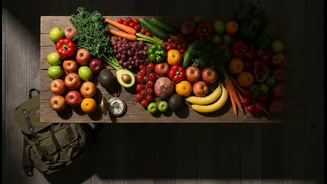
The headline of the report dismantles a common myth: that poor dietary habits are a result of a lack of willpower or knowledge. The reality for many is that their food choices are dictated by price, not preference. When household budgets are squeezed, nutritious but more expensive items like dal, milk, fruits, and vegetables are the first to be cut. Families are often forced to rely on cheaper, calorie-dense staples like rice and wheat, which can fill stomachs but lead to malnutrition, stunting in children, and a rise in non-communicable diseases like diabetes and hypertension in adults. For these households, the choice is not between a salad and a samosa, but between an affordable meal and going to bed with less. The cost of a healthy diet in India was estimated at $4.11 per person per day in 2025, a figure that is simply out of reach for a large part of the population.
Why Are Healthy Foods So Expensive?
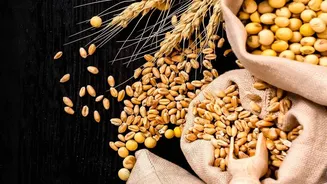
Several factors contribute to the high cost of nutritious food in India. The country's agricultural policies, born from the Green Revolution, have historically incentivised the production of cereals like wheat and rice to ensure food security. While successful in preventing famine, this has led to a comparative neglect of pulses, oilseeds, fruits, and vegetables. Furthermore, inefficient supply chains, a lack of adequate cold storage facilities, and vulnerability to climate shocks mean that perishable, nutrient-dense foods are more expensive and subject to volatile price swings. Transporting fresh produce to remote or geographically isolated areas further adds to the cost, creating massive price disparities across the country.
Shifting Focus from the Plate to Policy
The FAO's findings make it clear that individual choices alone cannot solve this crisis. The solution lies in systemic policy changes. Experts, including the FAO's Chief Economist, have called for India to reimagine its food production system, moving beyond a cereal-dominated model. This includes greater investment in horticulture, diversifying crops to include more pulses and vegetables, and strengthening supply chains to reduce waste and stabilise prices. Improving social safety nets beyond just providing grains is also crucial. Nutrition-focused subsidies, such as discounts on eggs, milk, or pulses, could help bridge the gap between what people can afford and what they need for a healthy life. Empowering women, who often bear the brunt of food insecurity, through better resource access is another critical component.