





The Rise of a Grounding Hobby
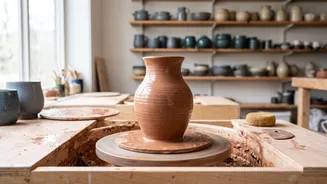
In an era of digital overload, it’s no surprise that people are seeking tactile, screen-free activities. Pottery studios are flourishing as sanctuaries where adults can reconnect with their hands and minds. The appeal is simple: it forces you to slow
down. Unlike passive distractions like scrolling through social media, shaping clay is an active process that engages the body and mind in a gentle, focused way. This return to a hands-on craft offers a tangible sense of accomplishment and a much-needed break from the pressures of a fast-paced world.
The Real Benefits of Mindful Pottery
The claims about pottery’s calming effects are well-founded. The practice is a powerful exercise in mindfulness—the art of being fully present. The sensory experience of feeling the clay, the sound of the wheel, and the visual focus required to shape a piece all anchor you in the moment. This can induce a 'flow state,' where time seems to fade and daily worries recede. Research supports this, showing that creative activities can lower levels of cortisol, the body's stress hormone. Engaging with clay can reduce symptoms of stress and anxiety, boost mood, and foster a sense of calm by activating the body's natural relaxation response.
Relaxation vs. Therapy: The Crucial Distinction
Here's where the line becomes important. While pottery is therapeutic, it is not therapy. The term 'therapeutic art-making' refers to any creative activity that promotes relaxation and self-expression, which is exactly what a pottery class provides. 'Art therapy,' however, is a clinical mental health profession. It is conducted by a licensed art therapist with graduate-level training who uses the creative process within a structured psychotherapeutic relationship to help clients address specific goals related to trauma, depression, or other mental health conditions. In art therapy, the process and the created art are used to explore emotions, improve self-awareness, and foster healing under professional guidance.
A Powerful Tool, Not a Clinical Treatment
Thinking of mindful pottery as a replacement for therapy can be misleading and potentially harmful for someone who needs professional support. An art class can provide a wonderful sense of community and a healthy outlet for stress, but a pottery instructor is not equipped to guide someone through deep-seated emotional or psychological issues. If you are experiencing persistent mental health challenges, it's essential to seek help from a qualified professional like a psychiatrist, psychologist, or licensed therapist. Pottery should be seen as a valuable component of a holistic approach to well-being—a powerful tool for self-care that complements, rather than replaces, professional treatment.