





Defining 'That Caffeine Range'
First, let's define the key part of the headline: “that caffeine range.” Health authorities like the U.S. Food and Drug Administration (FDA) and others generally agree that for most healthy adults, a daily intake of up to 400 milligrams (mg) of caffeine is not
associated with dangerous, negative effects. This is the benchmark we'll use. Think of it as a general daily budget. Consuming more than this, especially in a short period, can lead to jitters, anxiety, sleep problems, and an increased heart rate. However, individual sensitivity varies widely based on genetics, body weight, and any medications you might be taking.
What Counts as a 'Small Cup'?
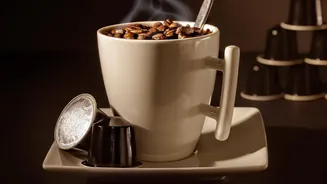
The term “cup” can be misleading. A standard coffee cup in many studies is considered to be 8 ounces (about 240 ml). However, the mug you use at home might be 12 or 16 ounces, and coffee shop sizes are even larger. A “grande” at Starbucks, for instance, is 16 ounces. The headline specifies “small cups,” which reasonably translates to the 8-ounce standard. An average 8-ounce cup of brewed drip coffee contains roughly 80-100 mg of caffeine. So, doing the simple math, four or five of these small cups would put you right at or just over the 400 mg daily guideline.
The Critical Role of 'Strength'
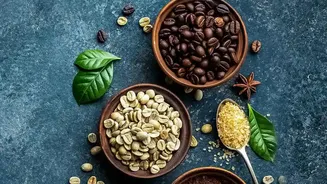
This is where it gets interesting, because not all coffee is created equal. The “strength” of your coffee has a massive impact on its caffeine content. Key factors include the type of bean, brewing method, and roast level. Robusta beans, for example, have almost double the caffeine content of the more common Arabica beans. A cup made with Robusta could deliver a much bigger jolt. Brewing methods also matter. A single 1-ounce shot of espresso contains about 63 mg of caffeine. While that seems modest, a double shot (common in many cafe drinks) is around 126 mg. Cold brew is often highly concentrated, sometimes packing over 150 mg into a 12-ounce serving. Even the roast makes a difference; lighter roasts can retain slightly more caffeine than darker roasts.
Doing the Daily Coffee Math
So, how many cups does it take to hit that 400 mg limit? It truly depends. If you drink standard 8-ounce cups of drip coffee made from Arabica beans, you can likely have around four cups. If you prefer espresso, three double-shot lattes would get you close to the limit. However, if your go-to is a strong cold brew or coffee made from high-caffeine Robusta beans, you might approach 400 mg with just two or three cups. This is why the headline’s range of “three to five small cups” is a reasonable, if broad, estimate. It all comes down to the specifics of what's in your mug. For context, a 16-ounce Pike Place roast from Starbucks contains about 310 mg of caffeine in one go.
Beyond the Buzz: Health Benefits and Risks
Staying within that moderate 3-5 cup range has been linked to several health benefits. Studies have consistently associated moderate coffee consumption with a reduced risk of various chronic diseases, including Type 2 diabetes, heart disease, stroke, and certain types of cancer. Coffee is also a source of antioxidants and has been linked to a lower risk of Parkinson's and Alzheimer's disease. The key is moderation. Exceeding the 400 mg limit regularly can lead to negative effects beyond temporary jitters, including sleep disruption, digestive issues, and increased anxiety. It's also important to remember that additions like sugar and cream can add significant calories and saturated fat, potentially offsetting the health benefits of the coffee itself.