



A quiet powerhouse of Indian cuisine, urad dal transforms when soaked. This simple step unlocks a world of texture and flavour, turning the humble lentil into the foundation for some of the most beloved dishes, from fluffy idlis to crispy vadas.
The Magic of Soaking
Before
diving into recipes, it’s worth understanding why soaking urad dal is a non-negotiable step for so many dishes. Soaking does more than just soften the lentil; it fundamentally changes its properties. Firstly, it makes the dal easier to digest by breaking down complex compounds that can cause bloating. Secondly, soaking enhances nutrient absorption by reducing anti-nutrients like phytic acid. It also significantly cuts down on cooking time, saving both energy and effort. Most importantly for the cook, it hydrates the dal evenly, which is crucial for achieving the perfect texture, whether you’re aiming for a creamy curry or a light, airy batter. A well-soaked dal grinds beautifully and absorbs spices more effectively, leading to a more flavourful final dish.
Perfecting the Grind
The secret to many urad dal dishes lies in the batter. For staples like idli and vada, achieving a smooth, fluffy, and well-aerated batter is key. After soaking the dal for at least four to six hours (or overnight), drain it completely. When grinding, use cold water or even ice cubes, adding it sparingly to prevent the mixer from overheating and to achieve a thick consistency. For medu vadas, the batter needs to be particularly thick so it can hold its shape, while idli batter can be slightly thinner. Grinding urad dal separately from rice (for idlis) and then combining them is a common technique to ensure the dal becomes as fluffy as possible. After grinding, letting the batter ferment in a warm place for 8-12 hours is essential for soft idlis.
The Foundation for Batters: Idli and Dosa
Soaked and ground urad dal is the heart of South India’s most iconic breakfast foods: idli and dosa. In these fermented batters, urad dal acts as a natural leavening agent. The wild yeasts present on the lentil kickstart the fermentation process, creating the carbon dioxide that results in soft, spongy idlis and porous, crisp dosas. While the ratio of dal to rice varies, a common combination is one part urad dal to two or three parts idli rice or rava. Some recipes also call for a small amount of fenugreek seeds soaked along with the dal to aid fermentation and add flavour.
Irresistible Fritters: Medu Vada and Dahi Bhalla
When ground into a thick, aerated paste, soaked urad dal becomes the base for irresistible fritters. Medu Vada, the savoury doughnut-shaped snack, gets its signature crispy-on-the-outside, fluffy-on-the-inside texture from a wellstwhipped batter. After grinding the soaked dal with minimal water, the batter is often flavoured with onions, green chillies, curry leaves, ginger, and crushed black pepper before being shaped and deep fried. The same basic batter is used to create Dahi Bhalla (or Dahi Vada). For this dish, the fried vadas are soaked in water to soften them further before being submerged in sweetened, spiced yogurt, creating a beloved snack that is both cooling and satisfying.
Creamy Curries: Dal Makhani and More
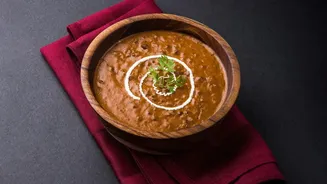
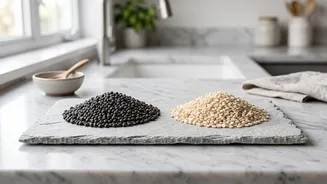
Beyond batters, soaked whole urad dal (sabut urad) is the star of one of North India’s most luxurious dishes: Dal Makhani. Soaking the whole black lentils, often along with a smaller portion of rajma (kidney beans), overnight is crucial. This ensures they cook down to a perfectly creamy consistency after a long, slow simmer. The soaked lentils are typically pressure cooked until completely tender and then simmered with a rich base of tomato puree, ginger, garlic, butter, and spices. Split urad dal can also be used to make simpler, everyday dals. A short soak of 30 minutes to an hour is often enough for split lentils, which are then cooked and tempered with spices (a tadka) for a quick, comforting meal.