






Planning Your Winter Escape
The cooler travel season in West Bengal, stretching from mid-November through February, offers the most pleasant weather for exploration. With daytime temperatures hovering between a comfortable 12 to 25 degrees Celsius, the climate is ideal for both
the boat safaris in the Sundarbans and for leisurely strolls through rustic craft villages. This period avoids the scorching summer heat and the travel disruptions that can accompany the monsoon rains. Planning a trip during these months means you can comfortably experience the state's outdoor attractions. As this is peak season, booking accommodation and transport in advance is highly recommended, especially if your visit coincides with major festivals like Poush Mela in Shantiniketan.
Into the Mangroves: The Sundarbans
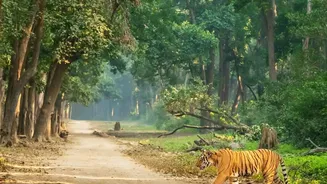
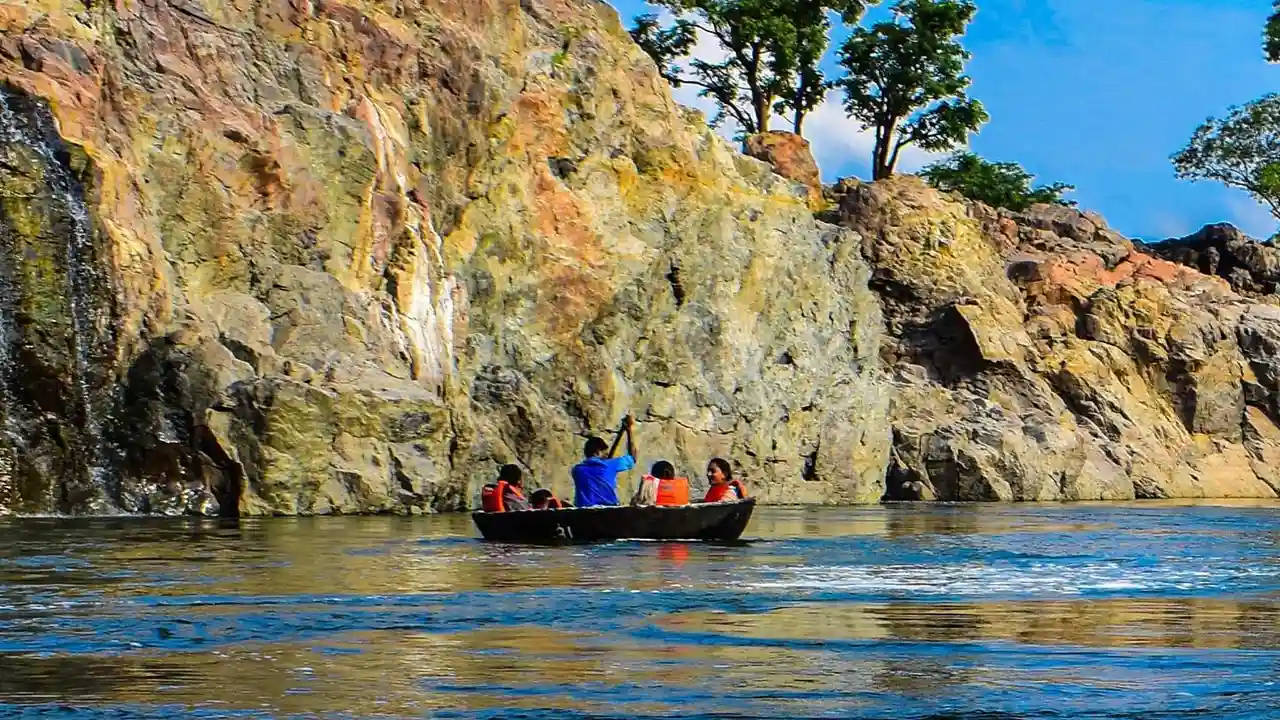
A trip to West Bengal is incomplete without venturing into the Sundarbans, the world's largest mangrove forest and a UNESCO World Heritage Site. The journey typically starts from Kolkata, with a road trip of about 3-4 hours to a jetty like Godkhali, followed by a boat journey into the heart of the delta. Winter is the prime time for wildlife spotting. Boat safaris are the primary way to navigate the intricate network of tidal rivers and creeks. While the majestic Royal Bengal Tiger is the star attraction, the ecosystem is rich with other fauna, including spotted deer, saltwater crocodiles, and a spectacular array of bird species, making it a paradise for birdwatchers. Accommodation options within the Sundarbans range from basic eco-villages to more comfortable resorts, many of which are designed to blend with the fragile ecosystem and support local communities.
A Tapestry of Crafts: Bengal's Artisan Villages
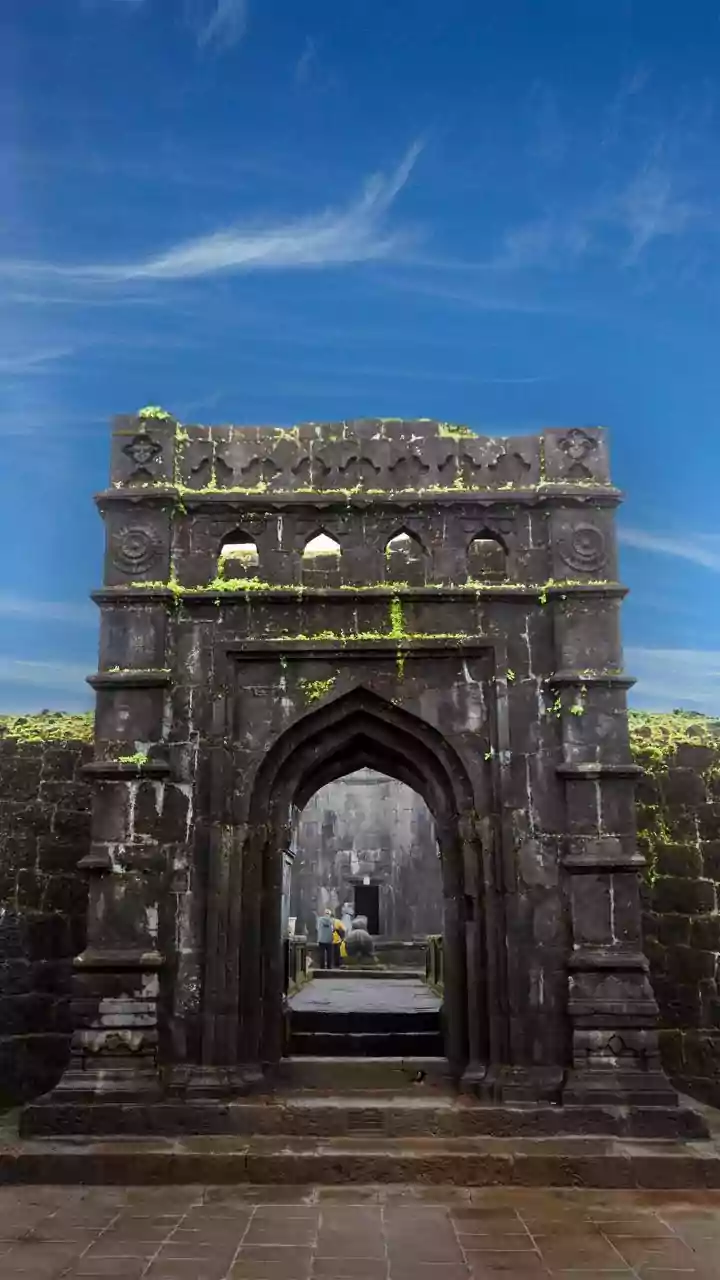
Beyond the wilderness, Bengal's soul resides in its artisan villages, where centuries-old traditions are kept alive. A well-planned itinerary can take you from the mangroves to these hubs of creativity. One of the most famous is Bishnupur in Bankura district, renowned for its stunning 17th-century terracotta temples and the iconic, long-necked terracotta horses. The nearby village of Panchmura is a community where nearly every household is involved in crafting these earthen treasures. Further afield, the university town of Shantiniketan, founded by Rabindranath Tagore, offers a different cultural flavour. The area is a hub for crafts like Kantha embroidery, batik, and leatherwork, which can be explored at cooperative societies like Amar Kutir and the vibrant Sonajhuri Haat, an open-air weekend market. Other villages like Pingla are famous for Patachitra, a unique folk-art tradition of scroll painting.
Crafting Your Dual-Experience Itinerary
Combining these two distinct experiences requires some logistical planning. A logical route starts in Kolkata. From there, dedicate two to three days for a Sundarbans tour package, which most operators run from the city. Upon returning to Kolkata, you can embark on the second leg of your journey. Bishnupur is accessible from Kolkata by train or car, with the journey taking approximately 4-5 hours. You can spend a day or two exploring the terracotta temples and visiting artisan workshops in Panchmura. Alternatively, for a different artistic immersion, a similar journey can be made to Shantiniketan (around 3-4 hours from Kolkata by train or car), where you can delve into the world of Tagore and the diverse crafts he helped revitalise. While travelling directly between the Sundarbans and Bishnupur is possible, it is a long journey and routing back through Kolkata is often more convenient and offers a chance to rest.
Local Flavours and Lasting Memories
This unique itinerary offers more than just sightseeing; it’s an immersion into the dual identity of West Bengal. In the Sundarbans, you'll taste fresh catches from the river and simple, delicious Bengali village fare. In the artisan towns, you can engage directly with the creators of the art you admire. Watching a Dokra artisan use the ancient lost-wax casting technique in Bikna or seeing a weaver create a Baluchari saree in Bishnupur, with patterns inspired by temple terracotta, are experiences that connect you deeply to the place. You're not just a tourist; you become a patron of living history, and the souvenirs you bring back—be it a terracotta horse or a hand-embroidered Kantha stole—are imbued with the stories of the hands that made them.