



The Unlikely Landscapers
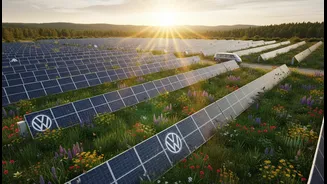
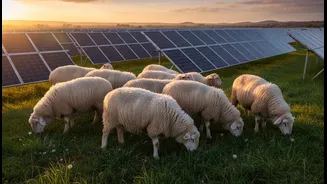
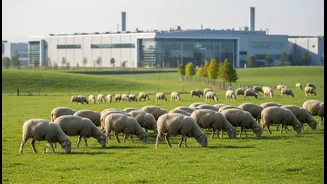
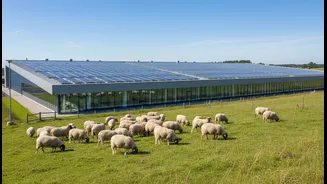
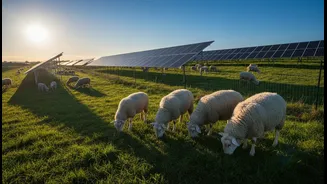
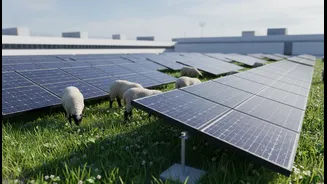
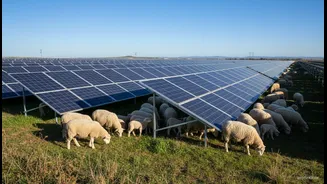
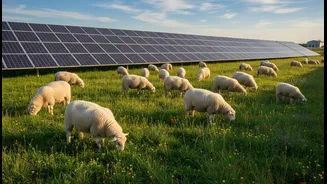
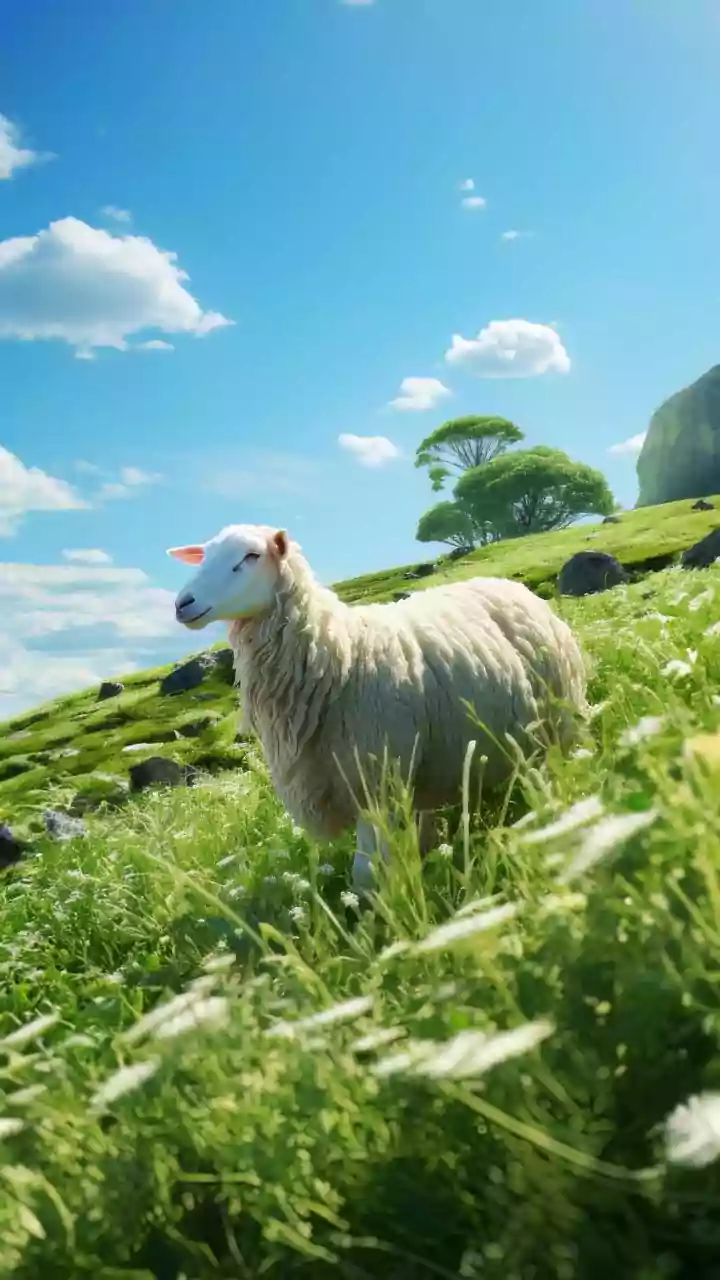
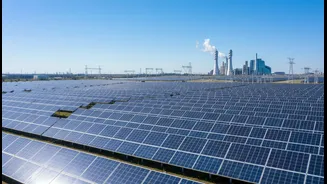
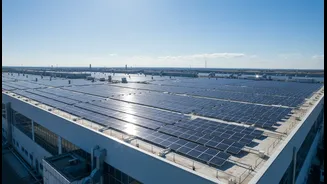
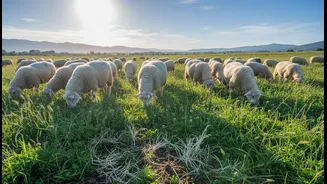
At first glance, it’s an unusual sight: a flock of sheep calmly grazing beneath rows of gleaming solar panels that help power a state-of-the-art automobile plant. Volkswagen has implemented this strategy at facilities including its Chattanooga, Tennessee
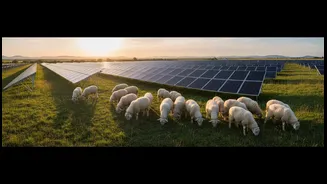
plant in the U.S. and its Poznań factory in Poland. In Chattanooga, about 50 sheep maintain the grounds of the 66-acre solar installation. In Poland, a larger flock of 100 sheep manages the vegetation under more than 31,000 solar panels. This initiative replaces traditional gas-powered lawnmowers with a quieter, cleaner, and surprisingly efficient workforce. Run in partnership with solar energy companies like Silicon Ranch, the program is a key part of VW's commitment to sustainability and environmental stewardship.
More Than Just Mowing
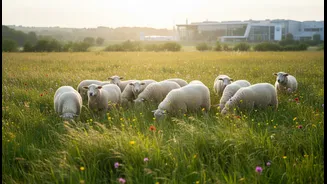
The benefits of using sheep extend far beyond simply keeping the grass short. Unlike heavy mowing equipment, which can compact soil and risk damaging sensitive solar infrastructure with flying debris, sheep are gentle on the land. They eliminate the noise, fuel consumption, and carbon emissions associated with mechanical landscaping. As they graze, the sheep naturally fertilize the soil with their manure, promoting healthier plant growth and improving soil quality over time. This helps combat soil erosion, a significant concern for large-scale solar farms. The practice, known as adaptive or regenerative grazing, creates a healthier, more resilient ecosystem right on the factory's doorstep.
A Growing Field: What is Agrivoltaics?
Volkswagen's project is part of a burgeoning global movement called "agrivoltaics" or "agrisolar," which involves the dual use of land for both solar energy generation and agriculture. The concept addresses a key challenge of renewable energy: land use competition. By co-locating solar panels and agriculture, the same plot of land can produce both clean energy and agricultural products. Sheep are particularly well-suited for this role because they are small enough to move under the panels and, unlike goats, are not prone to climbing on or chewing through vital equipment and cables. This symbiotic relationship makes the land more productive and provides a new income stream for farmers who can lease their flocks for grazing services.
The Real-World Laboratory
At its Poznań facility, Volkswagen has elevated the project from a simple maintenance solution to a full-scale scientific study in partnership with the Poznań University of Life Sciences. Researchers are closely monitoring several factors, including animal welfare, biodiversity, soil quality, and the microclimate around the panels. The study has already found that the sheep adapt quickly and feel safe in their new environment. One of the key benefits under investigation is how the panels provide valuable shade, which can reduce heat stress for the animals and even lead to higher-quality forage. This research provides crucial data on how to best integrate industrial facilities with nature, turning the solar farm into a living laboratory.
Challenges and Protectors
While the partnership is beneficial, it requires careful management. The flock needs to be rotated through different pastures to prevent overgrazing and allow vegetation to recover. Protecting the sheep from natural predators is another crucial element. At the Chattanooga site, this task falls to some unconventional security guards: rescued donkeys. Donkeys have a natural aversion to canines and are effective at deterring predators like coyotes, allowing the sheep to graze safely. This low-tech solution to a natural problem perfectly complements the high-tech mission of the solar farm, demonstrating a holistic approach to managing the site.