



Rivers in the Sky Explained
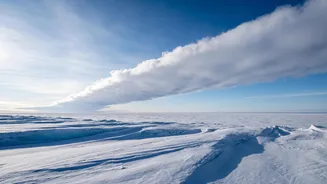
Imagine a river, but instead of flowing on land, it’s a massive, concentrated stream of water vapour moving through the atmosphere. These are atmospheric rivers (ARs), long, narrow corridors that transport huge amounts of moisture from the warm tropics
toward the poles. When they make landfall, often against mountain ranges, this moisture is released as intense rain or snow. While they sound like science fiction, they are a critical part of the global water cycle, capable of carrying more than double the freshwater of the Amazon River. These systems are not always destructive; they are essential for replenishing water supplies. However, their intensity and the sheer volume of water they can dump in a short period make them responsible for a significant percentage of extreme weather events worldwide.
Antarctica’s Dual-Edged Sword
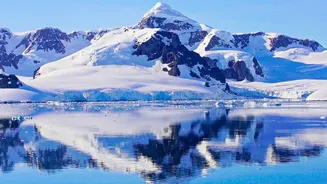
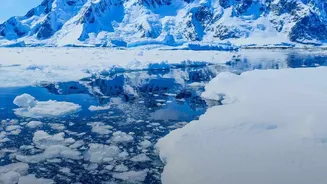
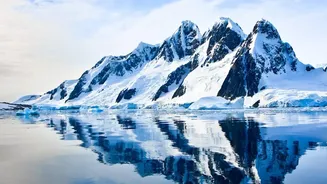
For a continent known as the world’s coldest desert, Antarctica is surprisingly influenced by these moisture-laden storms. The latest research shows that atmospheric rivers have a contradictory effect. On one hand, they are responsible for 50-70% of extreme snowfall events, which helps add mass to the ice sheet. Recent studies using new 3D detection methods suggest ARs could be responsible for an even higher share of total precipitation than previously thought. On the other hand, the same systems bring warm, moist air that can cause catastrophic melting. This warm air can raise temperatures dramatically, as seen in March 2022 when an AR event caused temperatures to soar 30-40°C above normal in East Antarctica, contributing to the collapse of the Conger Ice Shelf. These events can also trigger rain, even in sub-zero conditions, which darkens the ice surface and accelerates further melting.
The Link to Ice Shelf Collapse
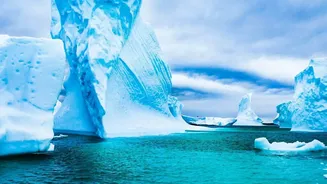
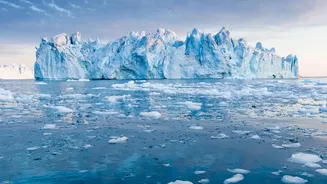
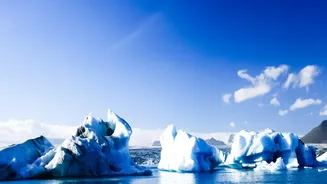
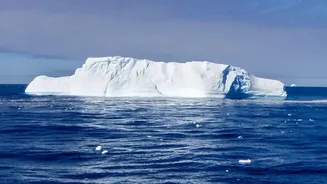
Ice shelves are the floating extensions of land-based glaciers that act as crucial dams, holding back the flow of ice into the ocean. Scientists now recognise that atmospheric rivers have played a key role in the collapse of major Antarctic ice shelves. The disintegration of the Larsen A and B ice shelves in 1995 and 2002, respectively, was preceded by repeated AR events that delivered warmth and moisture, destabilising them. As the climate warms, oceans evaporate more moisture, which is expected to make atmospheric rivers more frequent and intense. This raises serious concerns that increased AR-driven melting could push more of Antarctica’s vital ice shelves toward collapse, which would accelerate the flow of glaciers into the sea and directly contribute to global sea-level rise.
Why This Matters for India
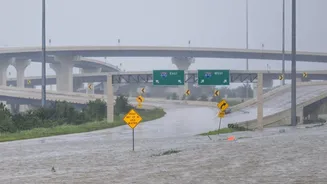
While Antarctica may seem distant, these climate dynamics have global reach. For India, the phenomenon of atmospheric rivers is far from foreign. Similar moisture corridors from the Arabian Sea and Bay of Bengal are integral to the Indian monsoon. However, their increasing intensity is linked to many of the country's most devastating floods. Studies have associated ARs with 70% of major flood events in India between 1985 and 2020, including the catastrophic Kerala floods of 2018 and the Uttarakhand floods of 2013. As warming oceans feed more powerful ARs globally, this trend is expected to continue, posing a greater risk of extreme rainfall, landslides, and urban flooding across India. Furthermore, the melt in Antarctica contributes directly to rising sea levels, a critical threat for India’s long and densely populated coastline.