








The New Face of Indian Car Ownership
The profile of the Indian car buyer is undergoing a significant transformation. For years, the market was dominated by urban consumers upgrading their existing vehicles. Now, a new wave of first-time buyers is driving growth. This group is younger, more
diverse, and increasingly hails from smaller Tier-2, Tier-3 cities, and even rural areas. A notable trend is the rise of women buyers, who are becoming a powerful force in the market due to growing financial independence and the need for personal mobility. This demographic expansion from niche urban centers to the country's heartland signifies a deeper, more structural change in consumption and aspiration.
Economic Growth and Aspirational Goals
Several factors are fueling this expansion. Steadily rising disposable incomes and a growing middle class have made car ownership more attainable for millions. Enhanced access to financing options and a robust road infrastructure network have further lowered the barrier to entry. For many young professionals and dual-income households, a car is no longer just a luxury but a practical necessity and a key aspirational milestone. This shift marks a move from two-wheelers to four-wheelers as lifestyles and economic conditions improve across the country.
Maruti Suzuki: The First-Time Buyer's Choice
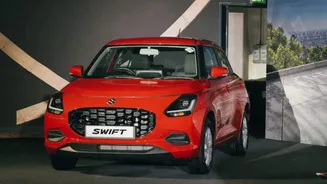
Maruti Suzuki has masterfully positioned itself to capture this burgeoning market segment. The company's strategy hinges on affordability, reliability, and an unparalleled service network that penetrates deep into rural and semi-urban India. This vast presence ensures peace of mind for new owners who prioritize low maintenance costs and service accessibility. Recent data highlights this success, with first-time buyers accounting for over half of Maruti's sales in recent quarters. The company has also benefited from favorable tax changes that have made its entry-level models like the Alto and S-Presso more affordable, leading to a significant revival in small car sales.
The SUV Effect and Portfolio Diversification
While affordability drives the entry-level segment, aspirational buyers are increasingly drawn to sport utility vehicles (SUVs). This trend isn't limited to seasoned car owners; many first-time buyers are also opting for compact SUVs that offer a higher ground clearance, more space, and a stronger road presence. Recognizing this shift, Maruti has successfully diversified its portfolio beyond its traditional hatchback stronghold. Models like the Brezza and Fronx cater directly to this demand, allowing the brand to attract a wider spectrum of new customers, from the most budget-conscious to those seeking more features and style.
The Road Ahead for the Auto Industry
The broadening of the customer base signals a maturing market. For the automotive industry, this means competition will intensify, not just on price but also on understanding the diverse needs of this new consumer class. Automakers will need to offer a varied product mix, from fuel-efficient hatchbacks to feature-packed SUVs and electric vehicles. Furthermore, the focus must extend beyond the initial sale to the entire ownership experience, including service, financing, and digital engagement. While Maruti Suzuki currently leads in converting first-time buyers, its competitors are also adapting their strategies to tap into this crucial growth engine for the Indian economy.