
The Soothing Power of the Great Outdoors
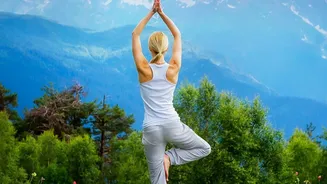
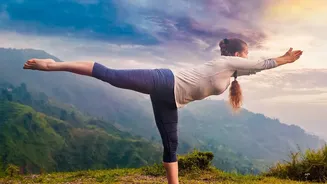
Trekking through a forest or along a coastline is an intuitive stress-reliever. The benefits are both psychological and physiological. Spending time in natural environments has been shown to lower levels of cortisol, the body’s primary stress hormone.
This effect can be measured after just 20 minutes outdoors, accompanied by a slower heart rate and lower blood pressure. Physical activity releases endorphins, which act as natural mood elevators, while sunlight exposure boosts vitamin D, crucial for mental well-being. Psychologically, nature offers a form of “soft fascination.” The gentle, shifting scenery of rustling leaves or flowing water captures our attention effortlessly, providing a restorative break from the demanding focus of daily life and helping to ease mental fatigue.
The Science of a Conscious Breath
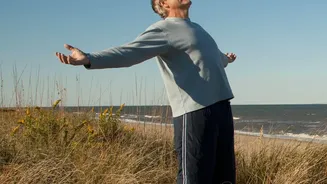
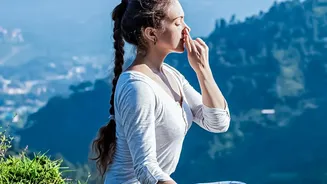
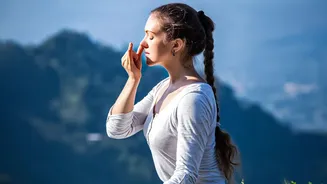
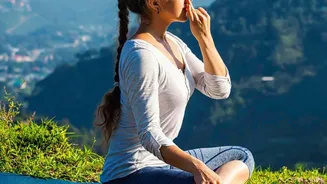
Yoga breathwork, or pranayama, is less about distraction and more about direct physiological regulation. These techniques involve the conscious control of your breathing patterns to influence your mental and physical state. The key mechanism is the activation of the parasympathetic nervous system—your body’s “rest and digest” mode. Slow, deep, diaphragmatic breathing stimulates the vagus nerve, a crucial nerve that signals your brain to calm down, reducing heart rate and blood pressure. This intentional breathing has been shown in numerous studies to reduce anxiety, improve heart rate variability (a sign of stress resilience), and even positively affect the brain's emotional processing centres. It's a way of manually overriding the body's 'fight or flight' stress response.
A Head-to-Head Comparison
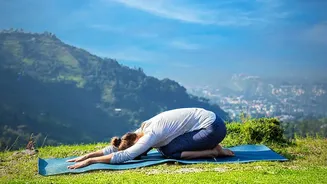
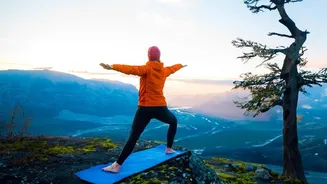
So, how do they stack up? Trekking is an external approach; it uses a change of scenery, physical exertion, and sensory input to shift your mental state. Breathwork is an internal one; it directly hacks your nervous system from the inside out, regardless of your surroundings. While both are effective, research suggests breathwork may offer more immediate and targeted relief from acute anxiety. For instance, some studies have found that meditative walking which incorporates breathing techniques provides greater reductions in anxiety than normal walking alone. Similarly, yoga practices focused on breathing have been shown to be more effective at reducing stress compared to those focused only on meditation or movement. It seems combining the two—practicing mindful breathing while walking in nature—could offer the most potent benefits.
Accessibility and Application
One of the most significant advantages of breathwork is its accessibility. You can practice it anywhere, anytime—at your desk before a stressful meeting, in traffic, or in the middle of a sleepless night. It requires no special equipment or location, making it a highly practical tool for managing stress as it arises. A few minutes of conscious breathing can be enough to trigger a relaxation response. Trekking, while profoundly beneficial, requires more planning, time, and access to a natural environment. It's a fantastic practice for overall well-being, sustained mood improvement, and disconnecting from daily pressures, but it’s not always a quick fix for an immediate stress spike. Think of it as the difference between a quick, targeted intervention and a broader, more holistic therapy.
The Best Tool for the Job
Ultimately, declaring one method superior to the other is a false choice. Both trekking and yoga breathwork are powerful, science-backed methods for lowering stress. The more relevant question is: which tool is right for the current situation? For an immediate, in-the-moment reduction of anxiety and physiological stress symptoms, deep breathing is an incredibly efficient and portable solution. For a more comprehensive mental reset, long-term mood regulation, and the added physical benefits of exercise, a fresh-air trekking adventure is hard to beat. The most resilient individuals often build a toolkit of stress-management techniques, knowing when to deploy a quick breathing exercise versus when to schedule a restorative day on the trails.