



What Exactly Is ‘Double Carbing’?
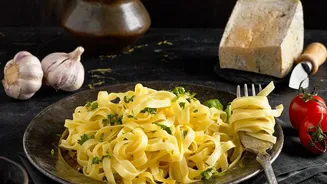
‘Double carbing’ is a straightforward concept: it refers to eating two significant sources of carbohydrates in the same meal. The classic example is pasta served with a side of garlic bread. Other common combinations include a burger with fries, rice
with potatoes in a curry, or a sandwich served with a bag of crisps. While these pairings are staples in many cuisines and are often seen as comfort food, they have come under scrutiny from a nutritional perspective because they can significantly increase the total carbohydrate and calorie count of a meal, often without adding much in the way of other nutrients like protein or fibre.
The Nutritional Argument Against It
The primary concern with double carbing centres on blood sugar. When you eat carbohydrates, your body breaks them down into glucose, which enters your bloodstream to be used for energy. A meal heavy in refined carbohydrates, like white pasta and white bread, can cause a rapid and high spike in blood sugar. Your body then releases insulin to manage this glucose. According to dietitians, consistently eating meals that cause large insulin spikes can have several knock-on effects. Any excess glucose that isn't immediately used for energy can be stored as fat. Over time, this pattern may reduce the body's efficiency at burning stored fat and could contribute to weight gain, energy crashes, and increased cravings.
Why It’s Not Always a Villain
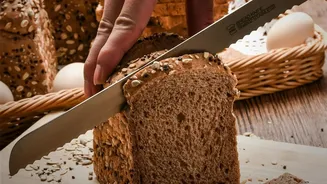
Despite the warnings, pairing two carbs isn't automatically a dietary crime. Context is everything. For endurance athletes, for example, a practice known as 'carb-loading'—which often involves eating multiple sources of carbohydrates—is a deliberate strategy to maximise energy stores (glycogen) in the muscles before a long event like a marathon. This can delay fatigue and improve performance. For the average person, the impact of double carbing depends on several factors. The type of carbohydrate matters; whole grains contain more fibre, which slows down digestion and leads to a more gradual rise in blood sugar compared to their refined counterparts. Furthermore, portion size is a critical factor. A small serving of whole-wheat pasta with a modest piece of garlic bread is very different from a giant bowl of refined pasta with half a loaf.
It’s About the Whole Plate
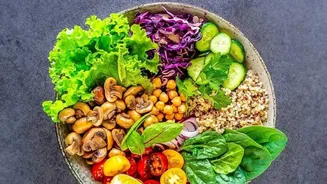
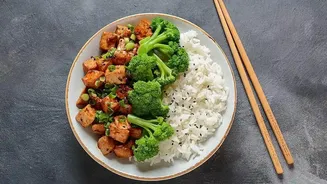
Focusing solely on the carbohydrate combination misses the bigger picture. A truly balanced meal includes protein, healthy fats, and fibre, all of which play a crucial role in moderating your body’s response to carbohydrates. Protein and fats slow down stomach emptying, which helps prevent a sharp blood sugar spike. Adding a source of lean protein like chicken or chickpeas to your pasta, along with plenty of vegetables (fibre) in the sauce or as a large side salad, can create a much more balanced meal. These additions not only improve the nutritional profile but also increase satiety, helping you feel fuller for longer and potentially reducing the desire for huge portions of either the pasta or the bread.
Smart Ways to Enjoy Your Carbs
You don't have to give up your favourite comfort meal. Instead, you can approach it more mindfully. If you're having pasta with garlic bread, consider making some simple adjustments. You could reduce the portion size of the pasta to make room for the bread. Or, think of the garlic bread as the primary carb and have a smaller portion of pasta with a sauce rich in protein and vegetables. Swapping refined white pasta and bread for whole-grain versions can also make a significant difference. Another strategy is to use the bread for what many Italians do—la scarpetta, or using a small piece of bread to mop up the leftover sauce on your plate after the pasta is finished, rather than eating it as a separate side dish throughout the meal.