









Why Ventilation Is Your First Defence
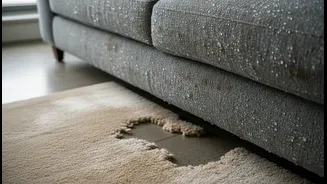
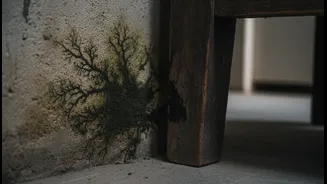
Everyday activities like cooking, showering, and even breathing release moisture into the air. In modern, well-sealed homes, this moisture gets trapped, leading to high humidity. When relative humidity indoors rises above 60%, it creates the perfect breeding
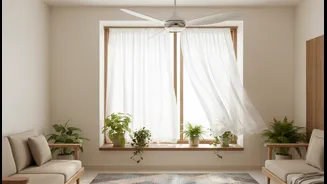
ground for mould and mildew. Proper ventilation is the most effective way to combat this. It works by replacing the stale, humid indoor air with fresh outdoor air, which helps reduce humidity levels, prevent condensation on walls and windows, and stop mould before it can start. Beyond moisture control, airing out your home flushes out indoor pollutants like volatile organic compounds (VOCs) from furniture and cleaning products, lingering odours, and the carbon dioxide we exhale, which can otherwise lead to stuffy air and poor sleep.
When the Cure Becomes the Problem
The challenge arises when the air outside is more polluted than the air inside. Studies have shown that indoor air can be two to five times more polluted than outdoor air, partly because outdoor pollutants that enter become trapped. In many Indian cities, high levels of particulate matter (PM2.5 and PM10), nitrogen oxides, and other pollutants from traffic, construction, and industry are a daily reality. Opening your windows without considering the outdoor Air Quality Index (AQI) can invite these harmful particles into your home. This can negate the benefits of fresh air, worsen allergies and asthma, and contribute to long-term respiratory and cardiovascular issues. The very act intended to make your home healthier can inadvertently compromise its air quality.
A Smart Strategy for Fresh Air
Balancing moisture control and air quality requires a strategic approach, not a blanket ban on opening windows. The key is to ventilate intelligently. Start by using a reliable air quality app to monitor real-time AQI levels in your specific area. Many apps provide detailed breakdowns of pollutants like PM2.5 and can even forecast air quality for the next few hours. As a general rule, the best times to ventilate are when pollution levels are typically lower, such as the early morning (before 10 a.m.) or late evening (after 9 p.m.), and avoiding the midday heat and traffic peaks. Even a short, intense period of ventilation—called a "purge" or "shock" ventilation—for 10 to 15 minutes can make a significant difference. This involves opening windows on opposite sides of the home to create a cross-breeze that quickly exchanges the air without cooling down the entire structure.
Targeted Solutions and Tech Support
In addition to strategic window opening, focus on targeted ventilation. Always use exhaust fans in kitchens and bathrooms to expel moisture and cooking fumes directly outside. These fans are crucial for removing pollutants at their source. For ongoing air quality management, especially on days with high outdoor pollution, an air purifier with a HEPA filter is an essential tool. It can capture the fine particulate matter that may enter the home. If you're looking for a more advanced, whole-home solution, consider mechanical ventilation systems. Heat Recovery Ventilators (HRVs) and Energy Recovery Ventilators (ERVs) are designed for airtight homes. These systems continuously supply fresh, filtered outdoor air while exhausting stale indoor air. The core difference is that an ERV also transfers some moisture, which can help maintain a more balanced indoor humidity level in both humid summers and dry winters, making it a particularly suitable choice for many Indian climates.