


Understanding Samak Rice
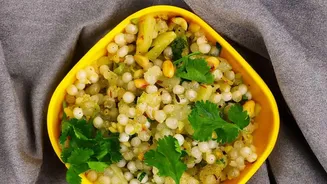
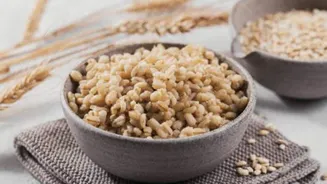
First, let's clarify what Samak rice is. Despite its name, it isn't rice at all. It's a type of millet, specifically barnyard millet, known by various regional names like bhagar, moraiyo, or sanwa. This gluten-free pseudo-grain is popular during fasts
because it's considered a permitted food, providing sustained energy without feeling heavy. Nutritionally, it's primarily a source of carbohydrates and is rich in fibre, which aids digestion and promotes a feeling of fullness. It also contains essential minerals like iron and magnesium. While it does contain some plant protein, it's not a complete source on its own.
The Protein Puzzle: Complete vs. Incomplete
To understand why the pairing with dairy is so important, we need to talk about proteins. Proteins are made of building blocks called amino acids. Our bodies need nine of these, known as essential amino acids, from our food because we can't produce them ourselves. Foods that contain all nine essential amino acids are called 'complete proteins'. Most animal-based foods like meat, eggs, and dairy fall into this category. On the other hand, most plant-based foods, including grains like Samak rice, are 'incomplete proteins', meaning they are low in or missing one or more of these essential amino acids. For many grains, the limiting amino acid is lysine.
How Dairy Completes the Meal
This is where dairy comes to the rescue. Dairy products such as milk, yogurt (curd), and paneer (cottage cheese) are excellent sources of high-quality, complete protein. They contain all nine essential amino acids in sufficient amounts. When you combine Samak rice with a dairy product, the amino acids from the dairy complement those in the millet. The dairy provides the lysine that the millet lacks, and together they form a meal with a complete amino acid profile, similar to what you'd get from a single source of animal protein. This process, known as protein complementation, is a simple yet effective way to enhance the nutritional quality of plant-based meals.
Smarter Energy and Better Blood Sugar Control
The benefits of this pairing go beyond just protein quality. Adding protein to a carbohydrate-rich meal slows down digestion and the rate at which sugar is absorbed into the bloodstream. Samak rice already has a relatively low glycemic index, meaning it raises blood sugar more slowly than refined grains like white rice. When you add protein and fat from dairy, this effect is enhanced. This leads to a more gradual and sustained release of energy, preventing the sharp spikes and subsequent crashes in blood sugar and energy levels. This combination keeps you feeling full and satisfied for longer, which is especially beneficial during long fasting hours.
Simple and Delicious Pairings to Try
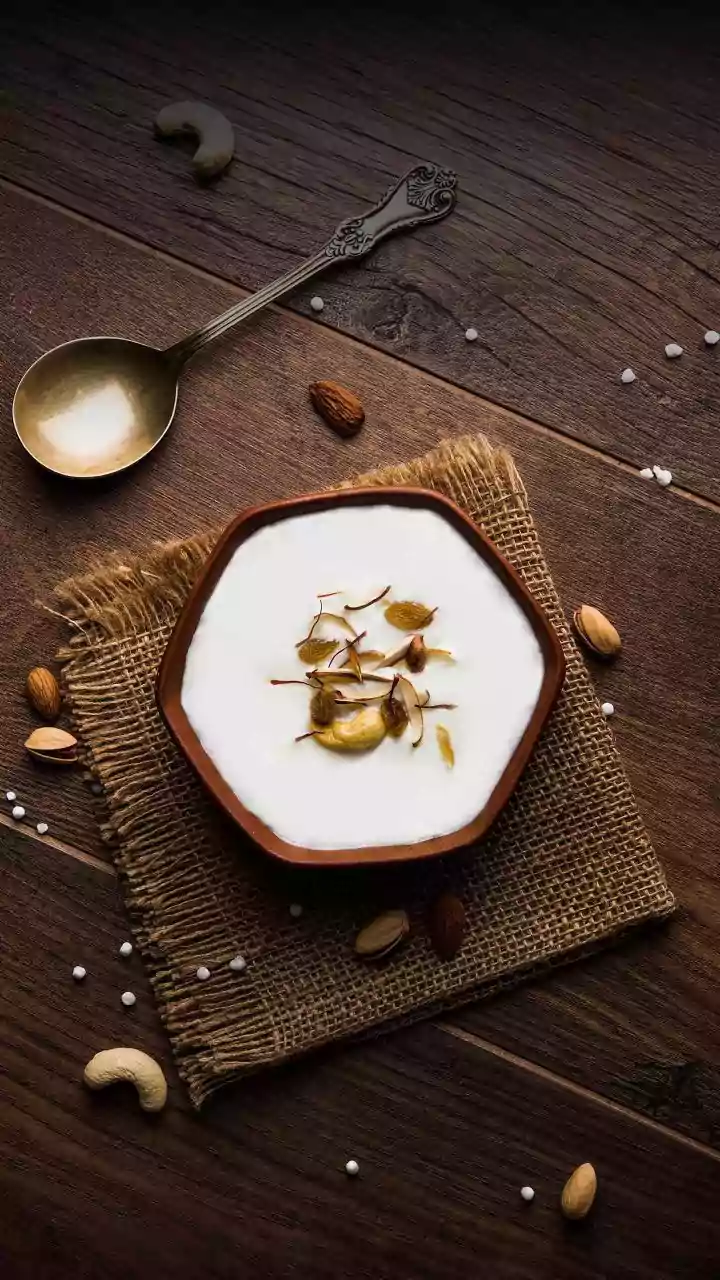
Integrating this powerful combination into your diet is both easy and delicious. There are numerous traditional and modern ways to pair Samak rice with dairy. For a comforting meal, you can't go wrong with a simple Samak rice khichdi served with a side of plain curd or a flavourful raita. Making Samak kheer, a sweet pudding cooked with milk and sweetened with jaggery or sugar, is another popular and nutritious option. For a more savoury take, you could prepare Samak rice pulao and add cubes of paneer towards the end of cooking. You can even make dosas or pancakes from Samak flour and serve them with a paneer bhurji (scramble) or a yogurt-based dip.