


The Local Hero vs. The Global Star
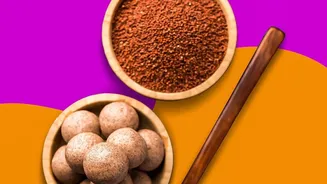
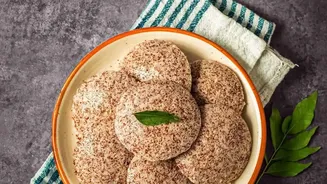
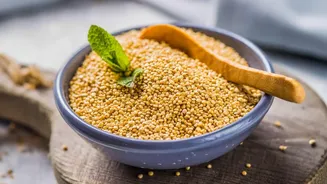
Ragi, or finger millet, has been a staple in Indian households for centuries, especially in the southern states. It's a hardy crop that grows well in our climate, making it sustainable and deeply rooted in our culinary traditions, from ragi mudde in Karnataka
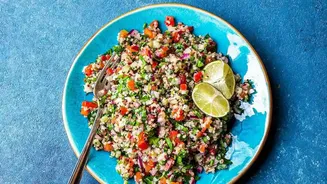
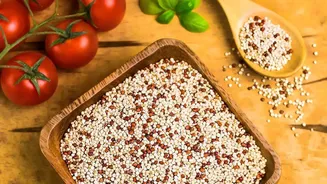
to nourishing porridges. Quinoa, on the other hand, is a relative newcomer from South America, celebrated worldwide as a 'superfood'. Its popularity has surged in urban India among the health-conscious, often seen as a premium alternative to rice and wheat. This sets up a classic contest: the familiar, time-tested local versus the expensive, internationally acclaimed star.
Nutritional Showdown: A Tale of Two Profiles
At a glance, both grains appear to be nutritional powerhouses. Their calorie counts are quite similar, with around 320-370 calories per 100g of uncooked grain, providing sustained energy. However, their strengths lie in different areas. Ragi is a treasure trove of minerals. Quinoa's main claim to fame is its protein content. Both are gluten-free, making them excellent choices for those with celiac disease or gluten sensitivity. Let's break down the specifics to see where each grain shines.
The Protein Power Play
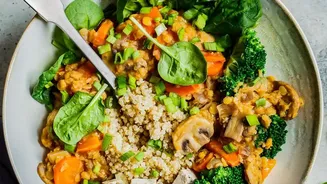
Quinoa is often lauded as a 'complete protein' because it contains all nine essential amino acids our bodies can't produce on their own, a rare trait for a plant-based food. Uncooked quinoa contains about 14 grams of protein per 100g, almost double that of ragi, which has around 7-8 grams. This makes quinoa a fantastic option for vegetarians, vegans, and anyone looking to boost their protein intake for muscle repair and growth. While ragi's protein content is lower, it's important to remember that Indian meals rarely feature a single grain in isolation. When paired with dal or legumes, a ragi-based meal can also provide a complete amino acid profile.
The Unbeatable Calcium Champion
When it comes to bone health, ragi is the undisputed champion. It boasts an extraordinary amount of calcium, with approximately 344-364 mg per 100g. This is nearly seven to eight times more calcium than quinoa, which offers around 47 mg per 100g. For a country where calcium deficiency is a concern, especially among women and children, ragi is a nutritional hero. Its calcium content is even higher than that of milk, making it one of the best plant-based sources for building and maintaining strong bones and preventing conditions like osteoporosis.
Blood Sugar and Digestive Health
Both grains are excellent for managing blood sugar levels due to their low glycemic index (GI), which means they release sugar into the bloodstream slowly. Ragi has a GI of about 54, while quinoa's is similar at 53. This makes both grains suitable for people with diabetes. In terms of fibre, which is crucial for good digestion and feeling full, the numbers are close, with some sources giving ragi a slight edge with around 11g of fibre per 100g compared to quinoa's 7g. This high fibre content aids in preventing constipation and promoting a healthy gut.
The Cost and Sustainability Factor
Here is where the difference becomes stark. Ragi is a locally grown crop, making it far more affordable and accessible across India. You can typically buy ragi flour for a fraction of the price of quinoa. Quinoa, being an imported product, comes with a premium price tag that reflects shipping, duties, and marketing costs. From a sustainability perspective, choosing a local grain like ragi reduces your carbon footprint and supports Indian farmers.