




The Price of a Wasted Minute
The most frequently cited figure for the cost of running Parliament is approximately ₹2.5 lakh per minute. This number, while sometimes based on decade-old calculations, remains the benchmark used in public discourse. When broken down, this amounts to
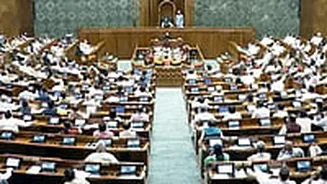
a staggering ₹1.5 crore every hour and around ₹9 crore for a typical six-hour sitting day for both Houses. When proceedings are stalled for hours or even entire days, this money is spent without any legislative work being accomplished. The losses from a single disrupted session can run into hundreds of crores of taxpayer money.
What Are You Paying For?
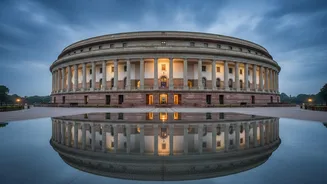
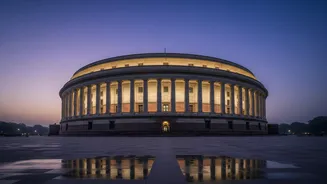
This significant cost is not an arbitrary figure. It is an amalgamation of all the expenses required to keep the engine of India's democracy running. The costs cover the salaries and allowances for hundreds of Members of Parliament in both the Lok Sabha and Rajya Sabha. It also includes the salaries of a massive secretariat staff, the operational expenses of the Parliament building complex including electricity and water, and extensive security arrangements. These are fixed costs that are incurred whether the Houses are functioning productively or are at a complete standstill due to protests.
A Cycle of Disruption
Parliamentary disruptions are not a new phenomenon, nor are they exclusive to one political party. Data over the years shows that whichever party is in the opposition has used disruptions as a political tool to protest and pressure the government. Issues ranging from corruption allegations and policy decisions to demands for a specific minister's resignation have led to washouts. This has created a cycle of 'tit-for-tat' politics, where the ruling party of today points to the disruptive behaviour of the opposition when they were in power, and vice versa. This recurring pattern has led to a significant decline in the number of sitting days and overall productivity compared to the early decades of the Indian Republic.
The Hidden Costs of Inaction
The financial loss, while staggering, is only part of the story. The true cost of a paralysed Parliament is far greater. Every hour lost to disruptions is an hour not spent on debating and scrutinising laws. Important bills that affect the economy, social welfare, and national security are either delayed indefinitely or, in some cases, passed without meaningful discussion. The Question Hour, a critical tool for holding the government accountable, is often the first casualty of a washout, weakening a core function of the legislature. This erosion of legislative scrutiny means policies may not be thoroughly vetted, and the voices of citizens, represented by their MPs, go unheard.
Eroding Public Trust
Beyond the monetary and legislative impact, constant disruptions have a more insidious effect: the erosion of public trust in democratic institutions. When citizens repeatedly see their highest legislative body as a 'shouting arena' rather than a forum for serious debate, it fosters cynicism about the political process itself. The inability of elected representatives to engage in constructive dialogue undermines the very purpose of Parliament and weakens the connection between the people and their government. This loss of faith is an intangible but profoundly damaging cost to the health of the nation's democracy.