






The Character of Kagzi
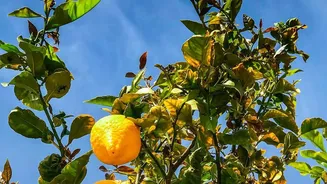
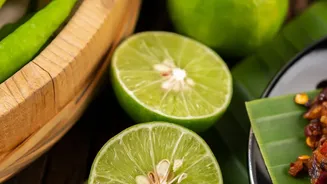
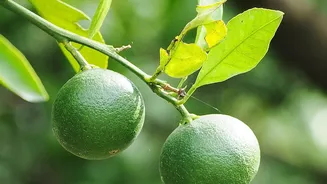
When we talk about the quintessential Indian lime, we are often referring to the Kagzi nimbu. The name itself, derived from 'kagaz' (paper), is a clue to its most defining feature: a paper-thin skin. This delicate rind encases a fruit that is celebrated
for its high juice content and sharp, piercing acidity. Unlike the larger, thicker-skinned Persian limes common in Western countries, the Kagzi is smaller, often rounder, and delivers a powerful, aromatic punch that is central to Indian cuisine. Its character is so distinct that the Kagzi lime from the Vijayapura region of Karnataka was awarded a Geographical Indication (GI) tag, cementing its unique regional identity. This recognisable character isn't an accident; it's the result of a precise interplay between the environment and human hands.
Forged in Sunshine and Dry Spells
Climate is the first critical sculptor of the Indian lime. The 'Citrus aurantifolia' species thrives in tropical and subtropical climates, which large parts of India provide in abundance. These trees are sun-worshippers, requiring at least six to eight hours of direct sunlight daily to flourish. The ideal temperature for growth hovers between 20°C and 28°C. However, it's the pattern of heat and moisture that truly defines the fruit. Areas with a relatively dry climate and low to moderate rainfall are considered best for lime cultivation. A period of water stress, particularly before flowering, can concentrate the plant's energies, leading to more robust fruit development. Hot winds are a major threat, as they can cause flowers and young fruits to drop, but the right balance of warmth and well-timed dry spells helps produce the acidic, flavourful limes that are prized across the country.
The Foundation Underfoot
The story of the lime's character continues in the soil. Lime trees are adaptable and can grow in a variety of soil types, from sandy loams to medium black soils, which are common across lime-growing states like Andhra Pradesh, Gujarat, and Maharashtra. However, two conditions are non-negotiable: good drainage and the right pH level. Lime trees are highly susceptible to root rot, so waterlogged soil is a death sentence. They perform best in well-drained soils with a pH between 5.5 and 7.5. This slightly acidic to neutral environment allows the roots to effectively absorb essential nutrients from the soil. The soil's composition directly influences the tree’s health and, by extension, the fruit's final flavour profile and juice quality. Deficiencies in micronutrients like zinc or iron, often linked to soil conditions, can impact everything from flowering to fruit size.
The Human Touch: Cultivation
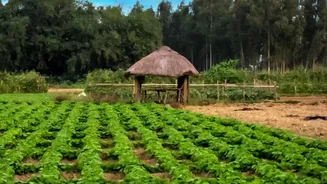
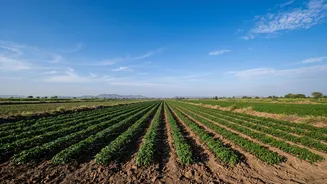
Climate and soil provide the canvas, but cultivation is the art. Indian farmers have honed techniques over generations to coax the best from their trees. Propagation is often done through seedlings, as the Kagzi lime is polyembryonic, meaning seedlings grow true to the parent plant. Planting is timed with the monsoon seasons to give saplings the best start. Irrigation is another crucial aspect. While the trees need water, especially during hot, dry periods, over-irrigation is carefully avoided. Many modern farms have adopted drip irrigation to deliver water precisely to the root zone. Furthermore, specific horticultural practices are used to manage flowering. Lime trees can fruit multiple times a year, but farmers can induce a specific flowering season (or 'bahar') by withholding water for a period and then resuming irrigation, often to time the most profitable summer harvest.