


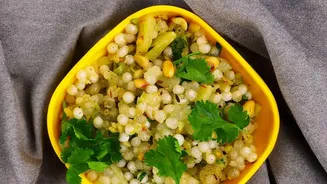
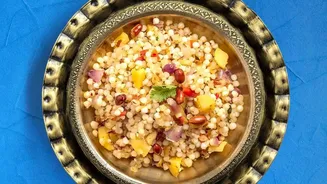
Why Sabudana Khichdi Rules the Fast
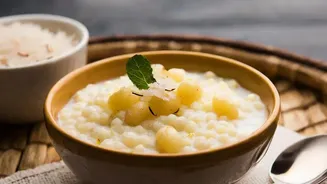
Sabudana, also known as tapioca pearls, is a staple during Hindu fasting periods like Navratri. Derived from the starch of the cassava root, it's a pure carbohydrate that provides a quick and substantial energy boost, which is essential when observing
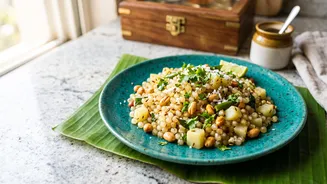
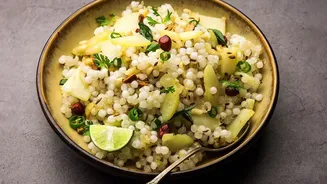
a fast. While not a religiously mandated food, its versatility and ability to be prepared with 'vrat'-approved ingredients—like rock salt (sendha namak), potatoes, and peanuts—have made it a cultural favourite. The combination of carbs from sabudana and potatoes, protein and healthy fats from peanuts, and a kick from green chillies creates a balanced and satisfying meal to keep you energised.
The Science of Soaking Sabudana
The single most critical step to achieving fluffy, separate pearls is the soaking process. The goal is to rehydrate the pearls until they are soft, not to drown them. First, rinse the sabudana thoroughly under cold water, rubbing the pearls gently. Repeat this 3-4 times until the water runs mostly clear. This removes the excess starch on the surface, which is the primary cause of stickiness. For soaking, a 1:1 ratio of sabudana to water is the most reliable starting point. For one cup of sabudana, use one cup of water. Let it soak for 4-6 hours, or even overnight. After soaking, there should be no standing water left. The pearls should have absorbed it all. To check if they are ready, press a pearl between your thumb and forefinger; it should mash easily.
Your Ingredients for a Perfect Khichdi
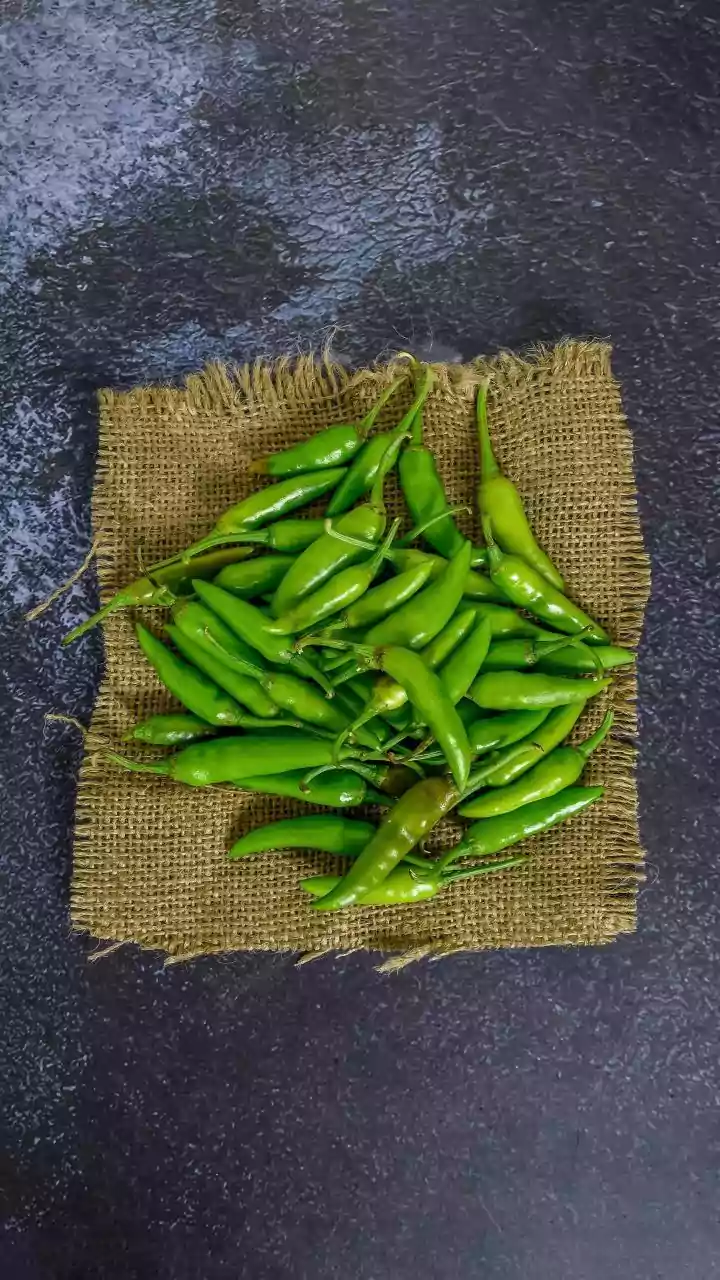
Gather these simple ingredients for a traditional Navratri khichdi. For one cup of dry sabudana, you will need: about one to two medium potatoes, boiled and cubed; half a cup of raw peanuts, roasted and coarsely crushed; two to three green chillies, finely chopped; one teaspoon of cumin seeds (jeera); one tablespoon of ghee or oil; rock salt (sendha namak) to taste; one teaspoon of sugar (optional, but it balances the flavours); one tablespoon of fresh lemon juice; and fresh coriander for garnish. The coarsely crushed peanuts are key, as they help absorb any excess moisture from the sabudana and prevent the pearls from sticking together.
Step-by-Step to Fluffy Perfection
Once your sabudana is soaked and ready, the cooking process is quick. Start by heating ghee or oil in a non-stick pan over medium heat. Add the cumin seeds and let them sizzle. Add the chopped green chillies and curry leaves (if using), followed by the boiled potato cubes. Sauté for a couple of minutes until the potatoes get a light golden colour. Now, turn the heat to low. Add the soaked sabudana, the coarsely crushed peanuts, salt, and sugar. Mix everything gently but thoroughly, taking care not to mash the pearls. Cook for just 3-5 minutes, stirring occasionally, until the sabudana pearls turn translucent. Overcooking is a common mistake that makes them chewy and clumpy. Once translucent, turn off the heat. Add the fresh lemon juice and chopped coriander, give it one final gentle toss, and serve immediately.
Pro-Tips for Fail-Proof Results
To guarantee success, keep these final tips in mind. If you find your soaked sabudana is still a bit wet, drain it in a colander for 30 minutes before cooking. Don't overcrowd the pan; cook in batches if you're making a large quantity. When you add the sabudana to the pan, don't stir it constantly. Let it cook for a minute before gently tossing it. The sugar and lemon juice should always be added at the end, after turning off the heat. The lemon juice not only adds flavour but also helps separate any pearls that might have stuck together. For a different texture, some recipes call for adding half the crushed peanuts to the sabudana before cooking and sprinkling the rest on top at the end for extra crunch.