



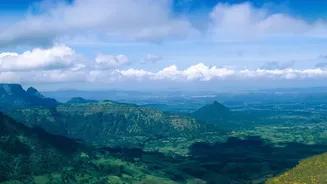
A Once-in-a-Dozen-Year Wonder
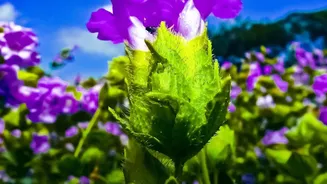
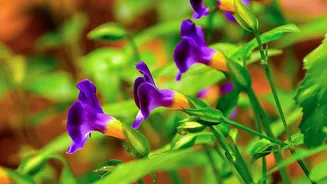
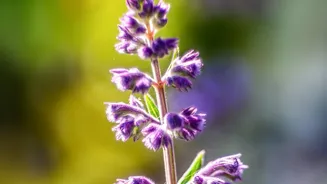
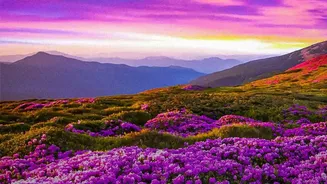
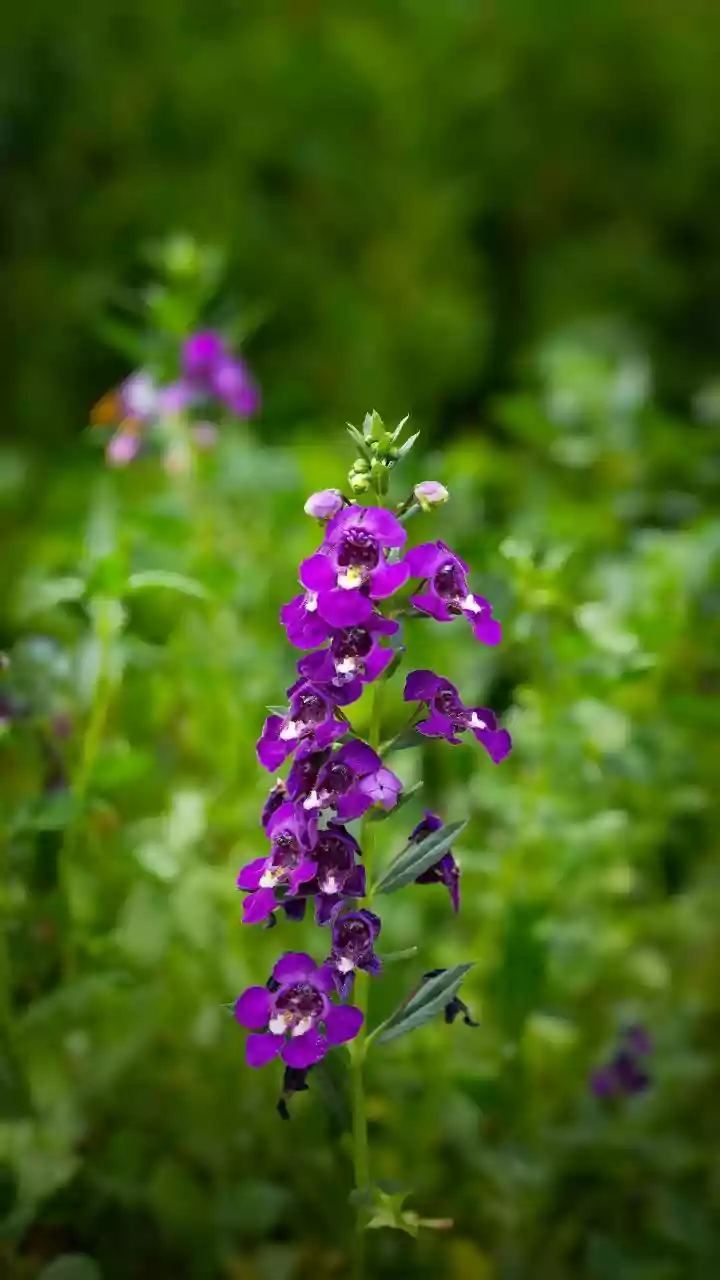
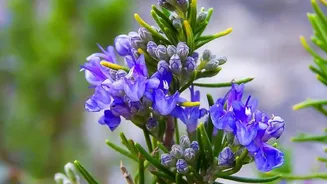
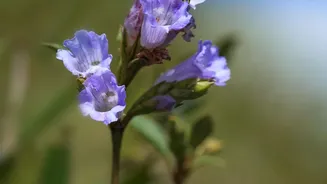
The Neelakurinji, or Strobilanthes kunthiana, is no ordinary plant. It is a shrub endemic to the high-altitude shola grasslands of the Western Ghats in Tamil Nadu and Kerala. What makes it truly captivating is its mass flowering, or gregarious blooming,
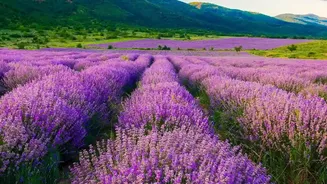
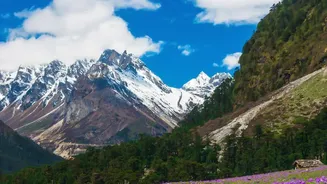
which happens only once every 12 years. During this period, entire hillsides are carpeted in its vibrant blooms, a phenomenon that has given the Nilgiri Hills—literally, the Blue Mountains—their name. After this spectacular display, the plant sets seed and then dies, a lifecycle known as being semelparous. The next generation of seeds will wait another 12 years to repeat the cycle. This rare event is a massive tourist attraction, drawing nature enthusiasts from across the globe. The last major bloom was in 2018, with the next one anticipated in 2030.
The New Shield of Protection
Recognizing its vulnerability, the Ministry of Environment, Forest and Climate Change has listed Neelakurinji under Schedule III of the Wildlife (Protection) Act, 1972. This move officially designates it as a protected plant. The Tamil Nadu Forest Department is now enforcing these rules, especially in light of recent blooms in the Gudalur region. Under the Act, anyone who uproots, plucks, or destroys the plant faces a hefty fine of ₹25,000 and imprisonment for up to three years. The cultivation and possession of Neelakurinji are also now prohibited. This legal protection gives forest officials the authority to take strict action against violations, moving beyond mere warnings to concrete enforcement in protected forests and national parks.
Threats on the Blue Mountain
This protection was urgently needed. The Neelakurinji has been officially classified as a 'Vulnerable' species on the IUCN Red List of threatened species. Its fragile habitat, the high-altitude montane grasslands, is under severe pressure. Scientists estimate that approximately 40% of its original habitat has already been lost. The primary threats are man-made. Large swathes of grassland have been converted for tea, coffee, and eucalyptus plantations. Urbanization, infrastructure development like roads, and the invasion of exotic plant species further fragment its habitat. Unregulated tourism during blooming seasons adds another layer of stress, with trampling and waste accumulation damaging the delicate ecosystem and hindering natural regeneration. Climate change also poses a serious risk, as the plant's blooming cycle is closely tied to specific rainfall and temperature patterns.
More Than Just a Flower
The significance of Neelakurinji extends far beyond its beauty. Ecologically, it is an indicator species for the health of the shola grasslands. Its mass flowering provides a crucial source of nectar for honey bees and other pollinators. The resulting 'Kurinji honey' is a rare and highly valued product. The plant also plays a role in preventing soil erosion on the steep slopes of the Ghats. Culturally, the flower is deeply embedded in the region's heritage. It is mentioned in classical Tamil Sangam literature. For the indigenous Paliyan and Muthuvan tribes of Tamil Nadu, the 12-year blooming cycle has traditionally served as a natural calendar to calculate their age. This makes the Neelakurinji a vital part of both the ecological and cultural fabric of the Western Ghats, and its protection a victory for natural heritage.