





A Pattern of Eating, Not a Single Food
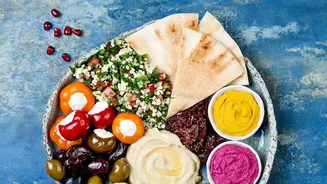
The secret to the Mediterranean diet’s success isn’t one magic ingredient, but the overall pattern of eating. It’s a lifestyle rooted in the traditional habits of countries bordering the Mediterranean Sea. Rather than strict rules, it emphasizes a wide
variety of whole, minimally processed foods. Think of it as a pyramid: at the wide base are foods you eat daily, while those at the narrow top are for infrequent occasions. This approach has been linked to numerous health benefits, including a lower risk of heart disease, diabetes, and other chronic conditions. The power comes from how these diverse foods and habits work together, creating a sum that's greater than its parts.
The Plant-Powered Foundation
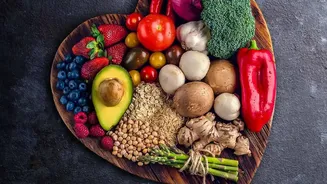
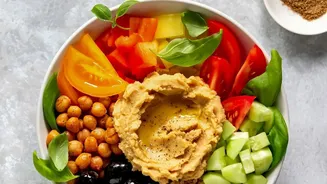
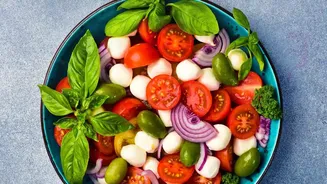
The true base of the Mediterranean pyramid is an abundance of plant foods. This means daily meals centered around a colourful variety of vegetables, fruits, legumes like beans and lentils, and whole grains. A common guideline is to cover at least half your plate with vegetables at every meal. These foods are typically fresh, seasonal, and locally grown, providing a rich source of fibre, vitamins, minerals, and beneficial plant compounds called bioactives. This plant-forward approach is what makes the diet so filling and nutrient-dense without relying on large amounts of meat or processed items.
A Broader View of Healthy Fats
Olive oil is indeed the principal fat source, prized for its healthy monounsaturated fats and antioxidants. However, it’s not the only one. The diet also includes other sources of healthy fats from nuts and seeds, which are recommended for daily consumption. Fish and seafood, particularly fatty fish like salmon, sardines, and tuna rich in omega-3 fatty acids, are staples, typically eaten at least twice a week. This combination of fats from plants and fish contributes significantly to the diet's heart-healthy reputation, helping to reduce inflammation and support overall wellness.
Protein and Dairy in Moderation
Unlike many Western diets, red meat is not a centerpiece. It's eaten infrequently, with poultry and eggs consumed in low to moderate amounts a few times a week. Fish, beans, and legumes often take the main protein role. Dairy is also part of the diet, but often in the form of fermented products like yogurt and traditional cheeses, which are enjoyed in moderate portions. This approach prioritizes nutrient-dense proteins while limiting intake of saturated fats commonly found in red and processed meats.
More Than a Diet, It's a Lifestyle
Perhaps the most overlooked aspect of the Mediterranean way is that it extends beyond the plate. It’s a holistic lifestyle that includes regular physical activity, getting adequate rest, and fostering strong social connections. Meals are often social events, eaten leisurely with family and friends—a concept known as conviviality. This practice of mindful, enjoyable eating, free from distractions like screens, is a key component. Studies suggest that adopting these lifestyle habits alongside the diet provides even greater health benefits, lowering the risk for numerous diseases.