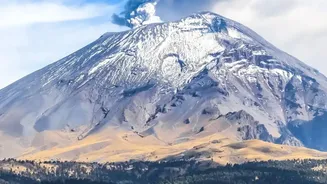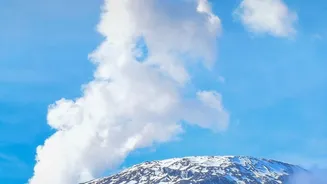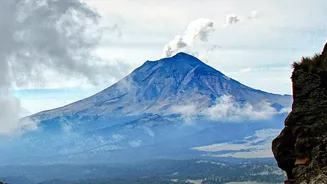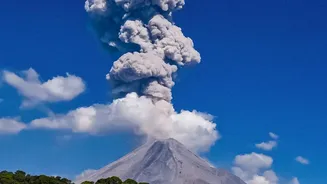


The Allure of the Inferno
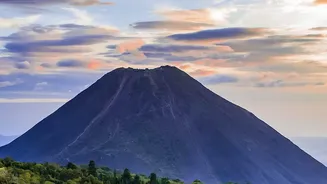
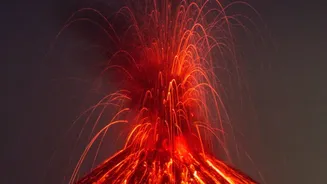
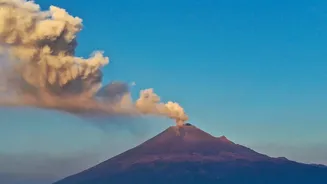
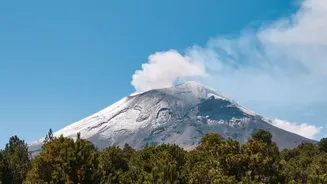
There's an undeniable magnetism to active volcanoes. They are a visceral reminder of the planet's inner workings, a place where new land is born before our eyes. This spectacle has fueled a boom in volcano tourism, with travelers flocking to destinations
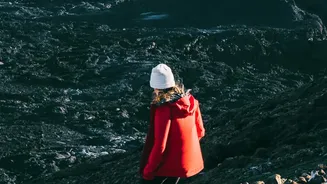
like Iceland, Italy, and Hawaii to witness eruptions. But with the rise of social media, a hazardous trend has emerged: the desire to get as close as possible to flowing lava and explosive craters, often ignoring safety warnings for the sake of a dramatic photo. Recent incidents, like tourists fleeing a sudden eruption in Guatemala, highlight the potentially lethal consequences of this 'daredevil' approach. This pursuit of thrills misses the point. The true majesty of a volcano isn't found by dicing with death, but by understanding the forces at play from a position of respect and safety.
Understanding the Real Risks
The danger of a volcano extends far beyond the molten rock you can see. The most significant threats are often invisible and unpredictable. Toxic gases like sulfur dioxide can be released in high concentrations, causing severe respiratory issues or worse, especially for those with existing health conditions. Then there are pyroclastic flows—superheated avalanches of gas, ash, and rock that travel at terrifying speeds. Unstable ground near a crater or on a new lava bench can collapse without warning, as can cliff edges. The 2019 tragedy at Whakaari/White Island in New Zealand, where a sudden phreatic (steam-blast) eruption killed 22 tourists, serves as a grim reminder that even volcanoes with regular tourist activity can become deadly in an instant. The only way to eliminate risk is to not be there, but by understanding these hazards, you can choose to experience them responsibly.
Adopting an Observer's Mindset
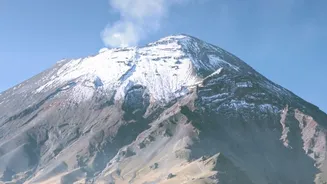
Responsible volcano tourism is about shifting from a conqueror's mentality to an observer's. It means prioritizing safety and respecting the power of nature. The most crucial rule is to listen to local authorities and scientists. Official bodies like the U.S. Geological Survey (USGS) and their international counterparts monitor volcanic activity constantly. They establish exclusion zones for a reason. Never enter closed areas. A good tour operator will be well-versed in the latest alerts and have robust emergency plans. This mindset also involves appreciating the entire volcanic ecosystem—the unique flora that grows on fertile ash, the steam vents, and the vast lava fields—not just a single eruptive event. The goal is to leave with a deeper appreciation, not just a risky photo.
Where to Watch in Wonder and Safety
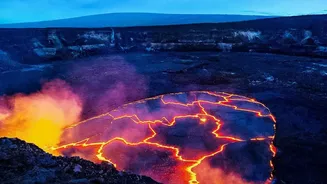
Fortunately, there are many places where you can witness volcanic activity safely and ethically. In Hawaiʻi Volcanoes National Park, home to the highly active Kīlauea, infrastructure is built around safe viewing. Paved trails, official overlooks, and ranger-led programs allow visitors to see glowing lava from a secure distance, often with real-time air quality monitoring. In Italy, both Mount Etna in Sicily and Stromboli offer guided tours that manage proximity to eruptions based on current activity levels. Similarly, Costa Rica's Arenal Volcano National Park has numerous trails that offer spectacular views without permitting ascents to the dangerous summit. These destinations prove that an awe-inspiring experience doesn't require putting yourself in harm's way. They have invested in the infrastructure to make observation the main event.