





A Landmark Mission to the Lunar Far Side
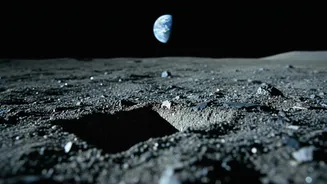
In June 2024, the world watched as the Chang'e-6 lander successfully touched down in the Apollo Basin, a large impact crater located within the immense South Pole-Aitken (SPA) Basin on the Moon's far side. This region is of immense scientific interest
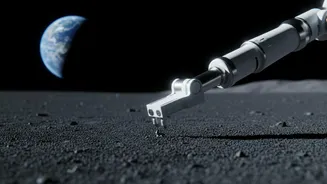
because it's the oldest and largest known impact structure on the Moon, a place no mission had ever sampled before. For decades, our entire physical understanding of lunar geology was based on samples from the near side, collected by the Apollo and Soviet Luna missions. Chang'e-6 changed that overnight by drilling and scooping up the first-ever authenticated far-side material, promising to fill a massive gap in our knowledge.
Decoding the Moon's Volcanic Past
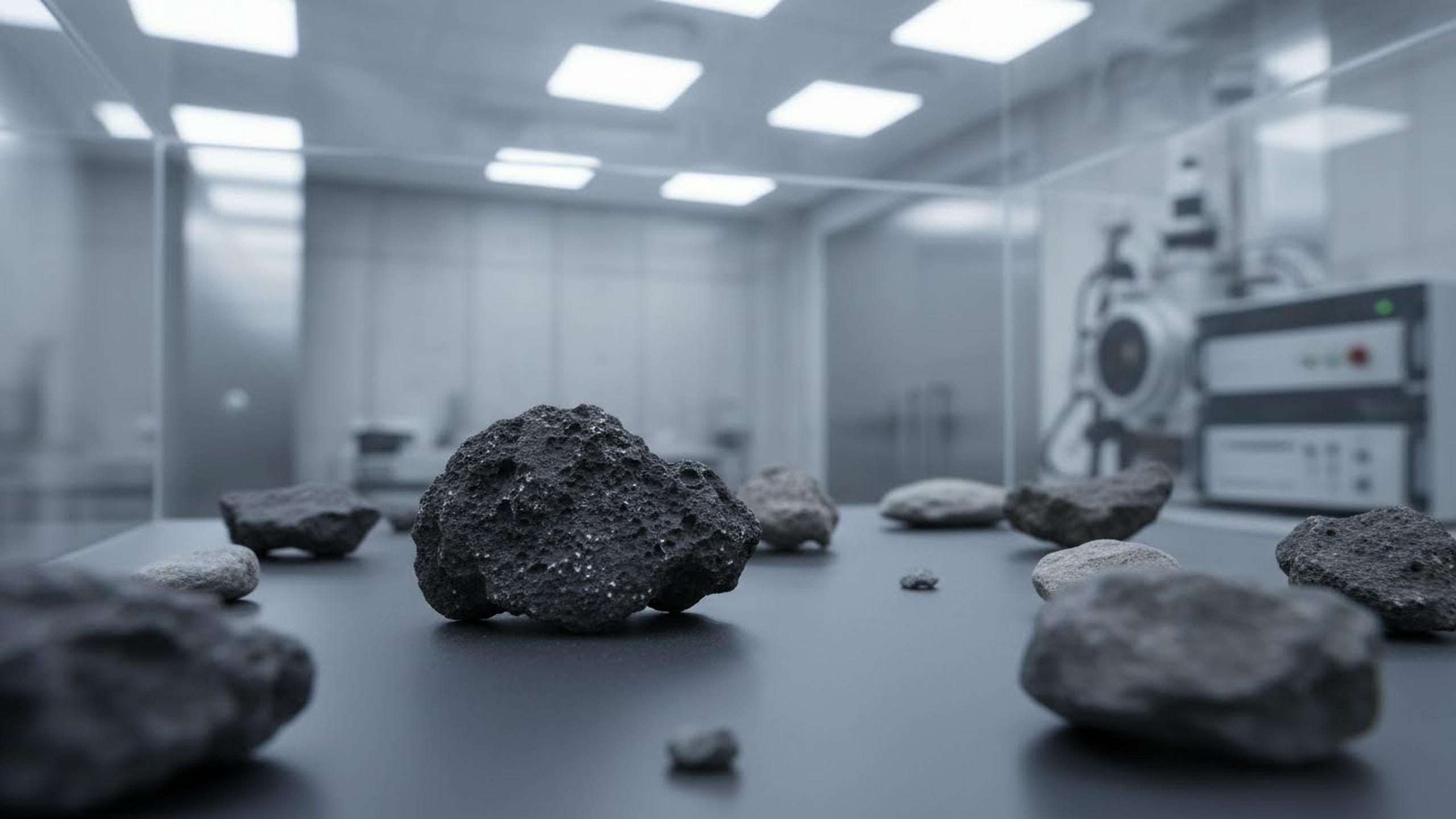
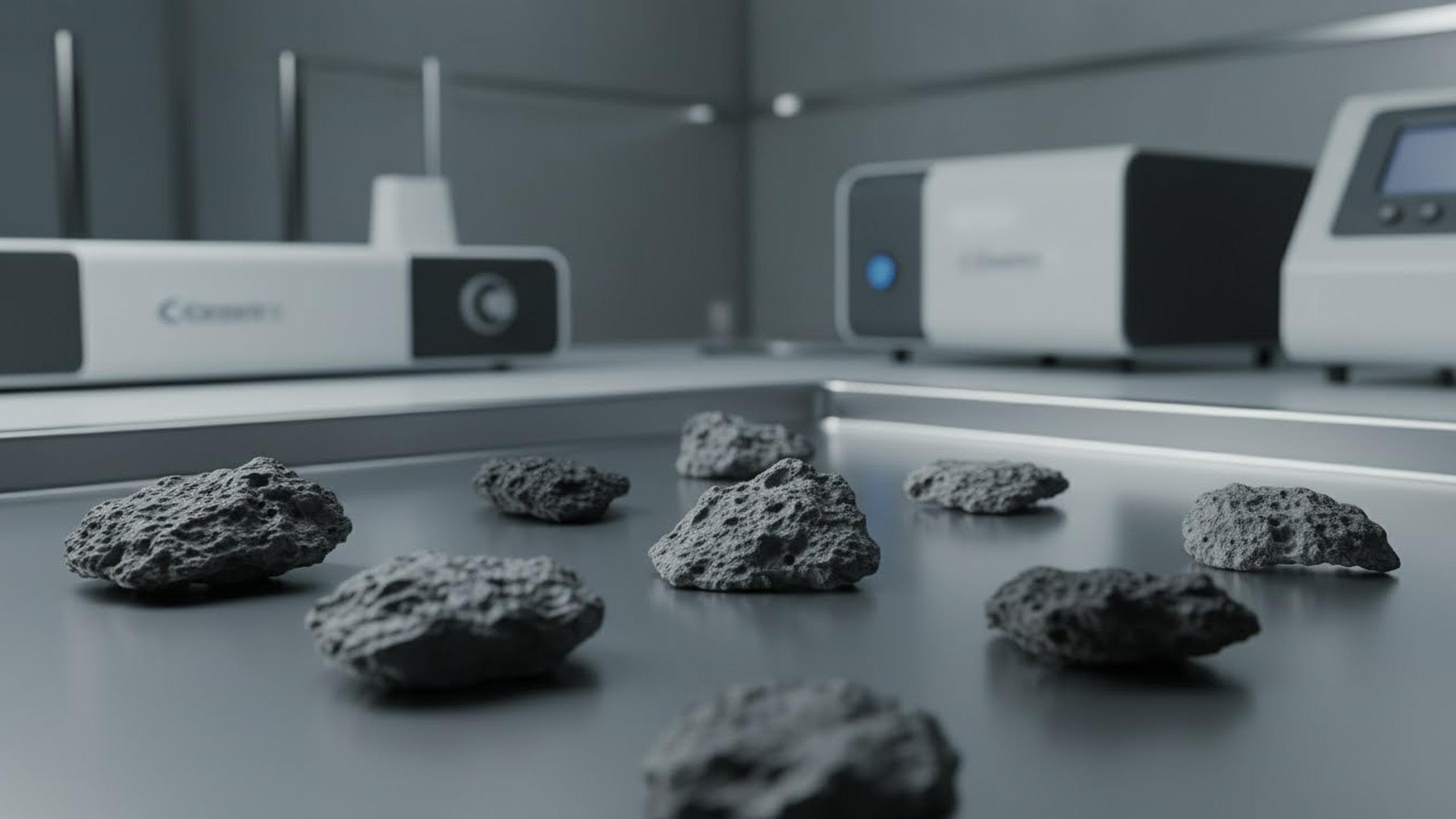
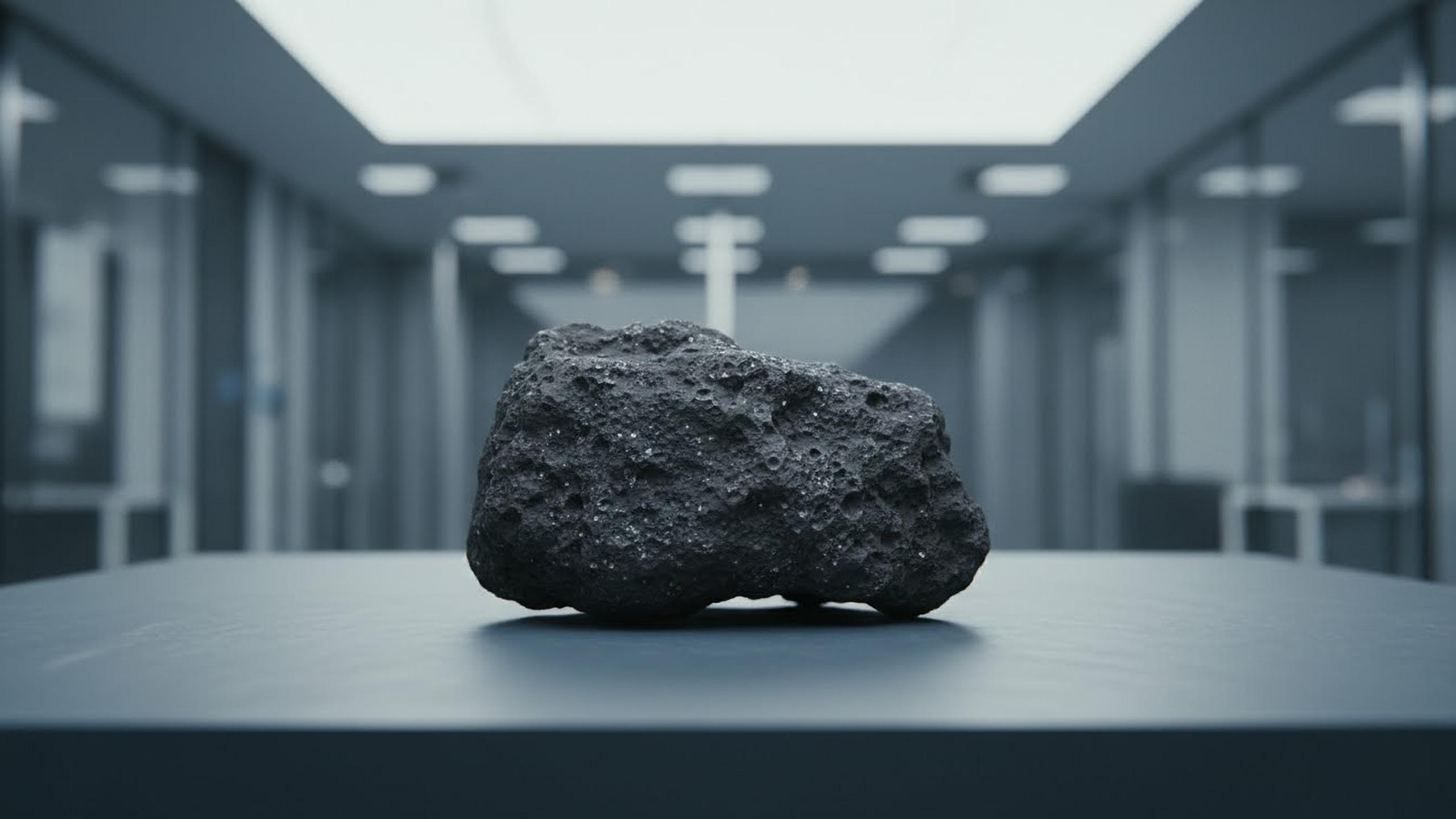
Among the most significant discoveries in the returned samples are numerous basalt fragments. Basalt is a volcanic rock, and its presence tells a story of past eruptions. Analysis revealed that some of these fragments are around 2.8 billion years old, confirming that the far side experienced volcanic activity much more recently than some models predicted. Even more surprising was the discovery of a basalt fragment dating back 4.2 billion years. Together, these pieces show that volcanism on the far side was a long-lasting process. By studying these rocks, scientists can build a timeline of the far side's geological pulse and understand why its volcanic heart appears to have cooled long before the near side's did.
Clues from a Cataclysmic Collision
The sample contains more than just volcanic rock; it also holds clues from the violent impacts that shaped the Moon. Scientists identified special impact-melt fragments—rocks that were melted and re-formed in the unimaginable heat of an asteroid collision. These fragments act as a geological clock. By analyzing them, researchers were able to precisely date the formation of the Apollo Basin itself to 4.16 billion years ago. This finding significantly alters our understanding of the early Solar System's most violent era, known as the Late Heavy Bombardment. It suggests the barrage of impacts may have started 100 million years earlier than thought and declined more gradually, rather than occurring in a sudden, dramatic spike.
A Glimpse into the Moon's Deep Interior
The sheer scale of the impact that created the South Pole-Aitken Basin means it was powerful enough to dredge up material from deep within the Moon's crust, and possibly even its upper mantle. This is material that lies kilometres below the surface, completely inaccessible to any drilling technology we have today. The fragments collected by Chang'e-6 are, therefore, a geological gift, offering an unprecedented glimpse into the Moon's hidden layers. Initial studies of their chemical makeup, particularly their potassium isotopes, reveal a history of extreme heat and volatile element loss, likely caused by the basin-forming impact itself. It's our first physical evidence of how deeply a colossal collision can reshape a planetary body.
Solving the Mystery of the Two-Faced Moon
Perhaps the most profound questions these fragments will help answer is why the Moon has two such different faces. The near side is dominated by vast, smooth volcanic plains (maria), while the far side is rugged, heavily cratered, and has a thicker crust. The new samples are already challenging old theories. For example, scientists found fragments of a specific type of rock known as KREEP basalt, which is rich in potassium, rare-earth elements, and phosphorus. It was previously thought to be concentrated on the near side, and its discovery on the far side throws a wrench into models that tried to explain the Moon's asymmetry, forcing a major scientific rethink.