

A Moment of Global Acclaim
In a significant moment for Indian cuisine, Malai Kofta was recently ranked as the 10th best deep-fried dish in the world by the popular food and travel guide TasteAtlas. This recognition places the beloved vegetarian classic on the same stage as other
global favourites, signalling a growing international appreciation for the nuances of Indian cooking beyond the usual suspects. For generations, it has been a symbol of celebration in India, but this ranking confirms its status as a culinary ambassador, praised for the craft and comfort embedded in India's rich plant-based traditions.
What Makes It So Irresistible?
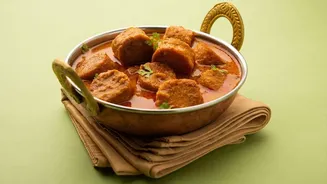
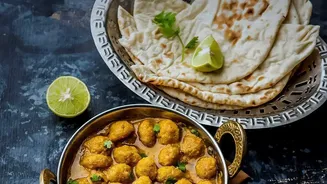
The magic of Malai Kofta lies in its masterful contrast of textures and flavours. The dish consists of two key parts: the 'koftas' and the 'malai'. The koftas are delicate, deep-fried dumplings typically made from a mixture of mashed potatoes and grated paneer (Indian cottage cheese). Often, they include additions like nuts and raisins for a hint of sweetness. Fried to a golden crisp, their exterior gives way to a melt-in-your-mouth interior. These orbs are then bathed in the 'malai' or cream gravy—a velvety, luxurious sauce made from a blend of tomatoes, onions, ground cashews, and aromatic spices. The resulting flavour is rich yet mild, making it an accessible and comforting choice for diners of all ages and palates.
A Dish with Royal Roots
The story of Malai Kofta begins in the opulent kitchens of the Mughal Empire. The term 'kofta' itself has Persian origins, originally referring to minced meatballs. When this culinary tradition arrived in India with the Mughals, it was adapted to local tastes. Royal chefs, tasked with creating spectacular vegetarian dishes for nobles, ingeniously swapped meat for paneer and potatoes. The use of rich ingredients like cream, cashews, and paneer was a sign of affluence, cementing Malai Kofta's status as a dish fit for royalty. This heritage is why it has long been reserved for special occasions—a symbol of prosperity, generosity, and celebration.
The Centrepiece of Celebration
Walk through any grand Indian wedding buffet, and you are almost certain to find Malai Kofta. Its role as a festive centrepiece is no accident. For one, its complex, multi-step preparation makes it a labour of love, a dish often reserved for special events rather than everyday home cooking. Offering it to guests is a gesture of hospitality and honour. Furthermore, it is a practical and crowd-pleasing choice. Its mild, creamy flavour profile appeals to a wide range of guests, from children to elders, and it serves as a luxurious main course for vegetarians that feels just as indulgent as any meat dish.