



The Challenge of Altitude Sickness
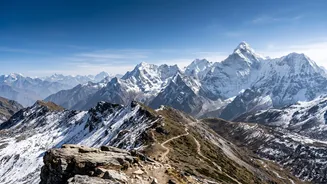
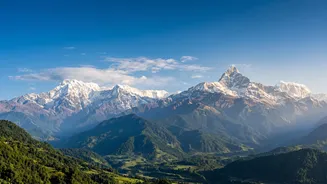
One of the most common threats for travellers to the Himalayas is Acute Mountain Sickness (AMS). It can affect anyone ascending above 2,500 metres, regardless of age or physical fitness. The reduced oxygen levels at high altitudes can cause symptoms like
headaches, nausea, dizziness, and fatigue. In severe cases, it can escalate to life-threatening conditions. The best prevention is gradual acclimatisation; plan your itinerary with rest days and avoid ascending too quickly. Listening to your body is crucial. If you experience mild symptoms, it's best to rest and hydrate. If symptoms worsen, the only effective treatment is to descend to a lower altitude immediately.
Unpredictable Weather and Flash Floods
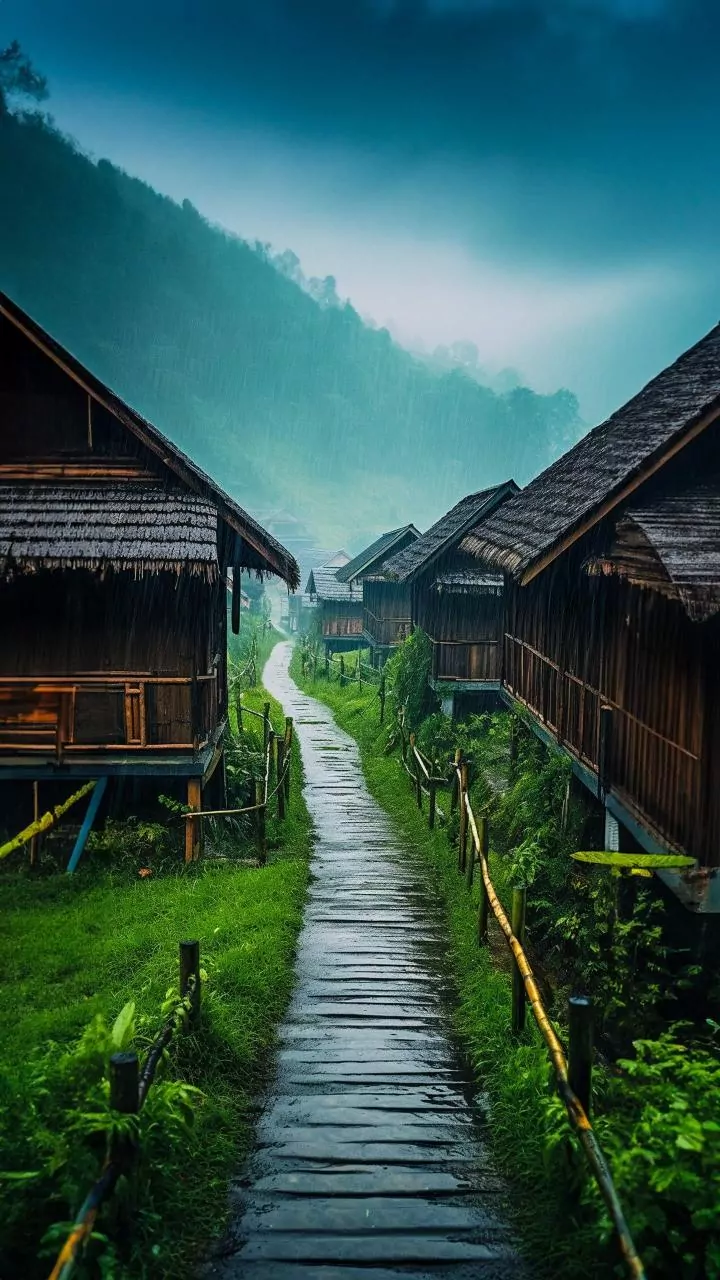
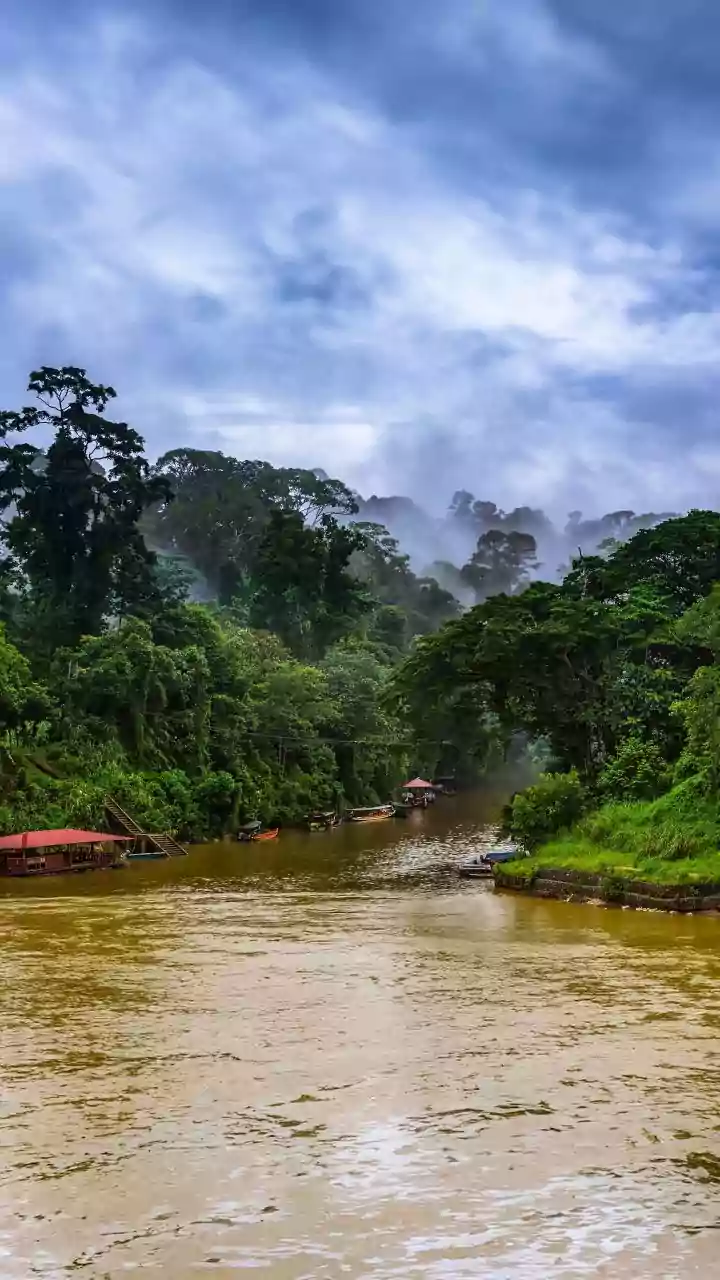
The weather in the Himalayas is notoriously fickle and can change in minutes, posing serious risks. Sudden, heavy rainfall, known as a cloudburst, can trigger devastating flash floods, especially during the monsoon season from June to September. These events send a powerful torrent of water, mud, and boulders down steep valleys, capable of washing away roads and buildings. Experts note that climate change is increasing the frequency and intensity of these events. Before and during your trip, always monitor local weather forecasts. It's also wise to avoid camping in or near dry stream beds, which can quickly become raging rivers.
The Unstable Ground: Landslides and Rockfalls
The Himalayas are one of the youngest and most geologically active mountain ranges in the world, making them highly susceptible to landslides. Heavy rains saturate the soil on steep slopes, while unplanned construction and road widening can further destabilise the terrain. These events are a common cause of road blockages, and can pose a direct threat to trekkers and vehicles. Some of the most severe disasters in the region have been triggered or worsened by landslides. Always heed local warnings, respect any closed-off areas, and be particularly cautious when travelling during or immediately after heavy rainfall. Hiring an experienced local guide who understands the terrain is one of the best safety measures you can take.
The Danger of Avalanches
For those venturing into higher, snow-covered regions, avalanches are a serious and sudden hazard. They are most common on steep slopes of 30 to 45 degrees, especially within 24 to 48 hours after heavy snowfall. Warming temperatures, particularly in the spring months of March to May, can also weaken the snowpack and trigger avalanches. While popular trekking routes are generally less prone to avalanches than mountaineering expeditions, the risk is always present in high-altitude valleys. Warning signs can include recent avalanche activity, cracking sounds in the snow (known as 'whumpfs'), and rapid temperature changes. The safest strategy is to travel with certified guides, carry appropriate safety gear like transceivers and probes, and avoid high-risk areas altogether when conditions are dangerous.
How to Prepare and Stay Safe
Preparation is your most powerful tool for a safe Himalayan adventure. Before you go, focus on physical fitness, particularly cardiovascular endurance and leg strength, to handle the strenuous terrain. When packing, prioritise layered clothing, a waterproof jacket, and well-broken-in trekking boots. Always carry a personal medical kit, stay hydrated by drinking plenty of water (purified or bottled), and avoid alcohol, which can worsen altitude sickness. Finally, choosing a reputable tour operator with certified local guides is invaluable. Their knowledge of the terrain, weather patterns, and safe routes is critical. Always follow their instructions, never trek alone, and ensure you have travel insurance that covers emergency evacuation.