




A Taste of Home in the Cosmos
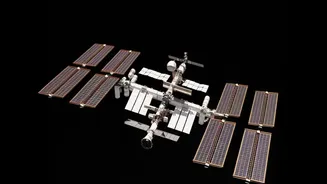
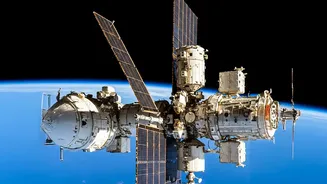
When Indian astronaut Shubhanshu Shukla travelled to the International Space Station (ISS), he took a small piece of home with him. The Defence Food Research Laboratory (DFRL), which is developing the menu for India's upcoming Gaganyaan mission, prepared
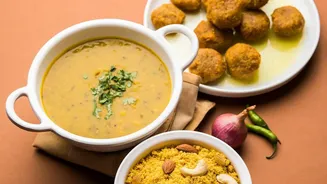
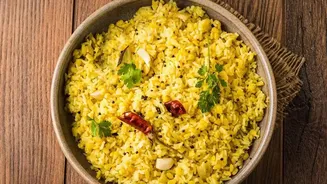
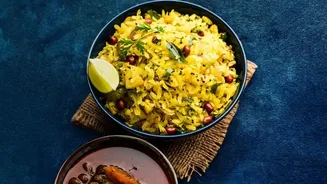
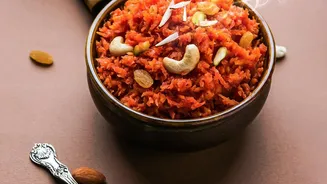
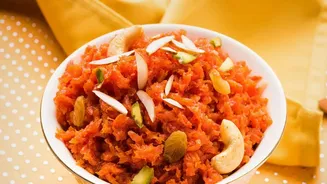
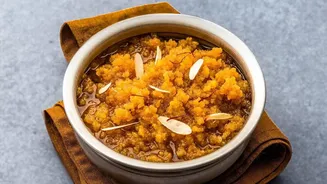
an extensive list of Indian dishes for space qualification. However, the journey from an Earth kitchen to a space station galley is incredibly complex. Speaking on a recent podcast, Shukla revealed that of the many dishes prepared—including khichdi and pulao—only three made the final cut after rigorous testing: Gajar ka Halwa, Moong dal Halwa, and Aamras (mango puree). His story highlights the immense scientific and engineering challenge of creating food that is safe, nutritious, and palatable in a zero-gravity environment.
The Science of a Space-Ready Meal
Forget the myths about astronauts eating only from tubes. Today's space food is the result of decades of food engineering. Meals are primarily prepared to be shelf-stable for months or even years without refrigeration. This is achieved through methods like freeze-drying, where food is dehydrated to reduce weight and prevent spoilage, or thermostabilization, a heating process similar to canning that kills microorganisms. For India's Gaganyaan mission, the Mysore-based DFRL is creating a menu featuring familiar comforts like idli, biryani, and vegetable pulav, all specially processed to be lightweight, low-volume, and easy to consume. These foods must be entirely safe, with zero risk of microbial contamination, as a sick astronaut is a mission risk.
Designing for a Zero-Gravity Diner
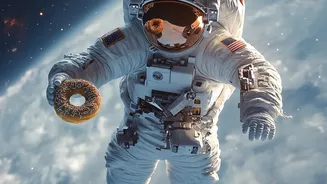
The biggest engineering hurdle is microgravity itself. On Earth, gravity keeps your food on your plate. In space, anything not secured floats away. Crumbs are a serious hazard, capable of floating into and damaging sensitive electronic equipment or being inhaled by the crew. This is why astronauts use tortillas instead of bread. Seasonings like salt and pepper are suspended in liquid to prevent tiny grains from creating a hazardous cloud. Food is packed in specially designed pouches that can be injected with water for rehydration or heated in a food warmer. Utensils and food trays are secured with magnets and Velcro to keep a meal from becoming a floating mess.
The Challenge of Tasting in Space
One of the strangest effects of space travel is its impact on taste. In microgravity, bodily fluids shift upwards, causing a feeling of constant nasal congestion, much like having a cold. A blocked nose dulls the sense of smell, which is critical for tasting flavour. As a result, many astronauts report that food tastes bland in orbit and often crave spicy and intensely flavourful foods. Shukla himself recalled craving salty and spicy food around his 13th day on the mission. After he landed, his flight surgeon greeted him with banana chips and bhakarwadi. This taste-dulling phenomenon is a key consideration for food scientists, who must develop meals with robust flavours that can cut through the congestion.
More Than Just Fuel
Ultimately, food in space serves a purpose beyond nutrition; it is a critical psychological anchor. Enjoyable and familiar meals help combat the stress and isolation of long-duration missions, an effect known as “menu fatigue”. Sharing a meal is a vital social ritual that boosts morale and team cohesion. Shukla noted that while he couldn't eat the three Indian dishes he brought—they were shared and enjoyed by his international crewmates—the act of sharing was a highlight. As ISRO and DFRL refine the menu for Gaganyaan, the lessons from Shukla's flight will be invaluable, ensuring India's future astronauts have food that not only fuels their bodies but also nourishes their spirits millions of miles from home.