





What is Walnut Spread?
Walnut spread, or walnut butter, is a creamy paste made by grinding raw or toasted walnuts until their natural oils are released. The process is simple, often involving just one ingredient: walnuts. The resulting butter has a thinner, more runny consistency
than almond or cashew butter. While some commercial varieties might include a touch of salt or a natural sweetener like maple syrup, purists can enjoy it in its most basic form. Its texture and composition make it a versatile ingredient, suitable for both sweet and savoury applications. Many health-conscious consumers and foodies are turning to walnut butter as a vegan, gluten-free, and dairy-free option that fits seamlessly into a plant-based lifestyle.
A Unique Nutritional Powerhouse
The primary reason for walnut butter's growing popularity is its standout nutritional profile. It is one of the best plant-based sources of alpha-linolenic acid (ALA), a type of omega-3 fatty acid. This is a significant advantage, as most other common nut butters lack a meaningful amount of omega-3s. These healthy fats are crucial for supporting brain health and reducing inflammation. Walnuts are often called 'brain food' for their links to improved memory and focus. Beyond omega-3s, walnut butter is also packed with antioxidants, particularly polyphenols and vitamin E, which help protect cells from damage. It also provides a good source of protein and fibre, which promote satiety and can aid in weight management.
An Earthy and Complex Flavour
Walnut butter's taste is distinct from the sweeter profiles of almond or peanut butter. It is often described as having a rich, earthy, and slightly bitter flavour with deep, nutty undertones. The natural bitterness comes from the tannins in the walnut's skin. Roasting the walnuts before grinding can help mellow this bitterness and bring out a toastier, more complex taste. This less-sweet, more savoury character makes it exceptionally versatile. While some may find the taste assertive on its own, it pairs wonderfully with both sweet elements like honey and bananas, and savoury ingredients in sauces and dressings.
How It Compares to Other Nut Butters
When placed side-by-side with its competitors, walnut butter holds its own. Peanut butter typically leads in protein content and is the most affordable option. Almond butter is a champion of vitamin E and offers more calcium. Walnut butter's clear advantage is its high concentration of heart-healthy ALA omega-3s. In terms of calories, most nut butters are comparable, hovering around 180-200 calories per two-tablespoon serving. The choice between them ultimately depends on your personal health goals and flavour preferences. If boosting omega-3 intake from a plant-based source is your priority, walnut butter is the undisputed winner.
Beyond the Morning Toast
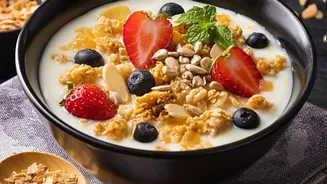
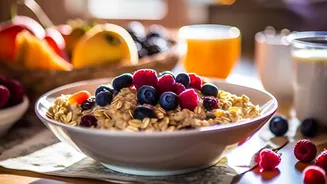
While excellent on toast, bagels, or waffles, walnut butter's potential extends far beyond breakfast spreads. Its creamy consistency is perfect for adding body and richness to smoothies. Stir a spoonful into your morning oatmeal for a boost of flavour and healthy fats. For a quick and healthy snack, use it as a dip for apple slices or celery. Its savoury notes also shine in the kitchen; you can whisk it with warm water, soy sauce, and lime for a quick noodle dressing or a sauce for vegetables. It can even be incorporated into baked goods like muffins and cookies, or used to create decadent dessert toppings.