


The Power of a Focal Point
One of the oldest tricks in the interior designer's handbook is to establish a clear focal point. It’s the first place your eye lands, giving a room a sense of purpose and flow. Without it, even a space filled with beautiful things can feel flat or disjointed.
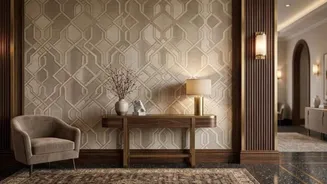
While architectural features like a fireplace or a large window can serve this role, a statement pattern is an incredibly effective way to create one intentionally. A single, dramatic pattern—whether on a wall, a rug, or a piece of furniture—draws attention and sets the tone for the entire room. It tells a story of confidence. Instead of a room where multiple patterns compete for attention, this approach creates a visual hierarchy. The statement pattern is the star, and everything else is the supporting cast, leading to a space that feels curated and intentional, not chaotic.
Choosing Your Statement-Maker
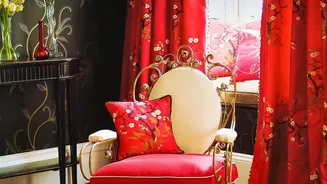
The beauty of this strategy lies in its versatility. A statement pattern can be introduced in numerous ways, depending on your commitment level and the room's function. Patterned wallpaper is a classic choice, instantly transforming a space, especially in smaller areas like a powder room or entryway where you can afford to be dramatic. For a less permanent but equally impactful choice, a large area rug with a bold geometric or floral design can anchor a seating area and define the room's colour palette. Upholstery is another powerful vehicle. A pair of armchairs in a striking print or even a single sofa in a dynamic pattern can inject immense personality. If you're just starting to experiment, begin with smaller items like dramatic curtains, a custom headboard, or a collection of throw pillows that share a bold motif.
Creating a Harmonious Balance
The key to making a single pattern work is balance. When one element is visually 'loud', the others should be quieter to let it shine. This doesn't mean the rest of the room must be boring; it simply means creating a backdrop that allows the pattern to stand out. Surround your statement piece with solid colours and neutral tones. Think of these as moments of visual rest that prevent the eye from becoming overwhelmed. You can pull accent colours directly from the pattern itself to use on other items in the room, like accessories or paint. This technique creates a cohesive and harmonious look, making the bold pattern feel perfectly integrated. For example, if your floral wallpaper has shades of deep green and blush pink, use those same colours for sofa cushions or a painted side table.
The Importance of Scale and Texture
Not all patterns are created equal, and their scale is crucial. A large-scale pattern often reads as more modern and dramatic, making a strong impact from a distance. Conversely, a small, dense pattern can sometimes appear as a solid colour from afar, adding texture rather than a distinct motif. When you are letting one pattern dominate, its scale should match the room's proportions and your ambition for the space. A huge print in a tiny room can feel overwhelming, while a tiny print on a vast wall might get lost. Beyond the pattern itself, layering different textures is essential for adding depth and warmth. Materials like linen, wood, velvet, and rattan provide tactile interest without adding more visual noise, creating a rich, sophisticated environment that feels layered and complete.