



The Golden Temple: A Vision of Serenity
The spiritual heart of Amritsar, and indeed of Sikhism, is the Harmandir Sahib, famously known as the Golden Temple. Its stunning golden facade shimmering in the sacred waters of the Amrit Sarovar is a sight that calms the busiest of minds. Open to all,
regardless of faith, the temple embodies the principles of equality and humility. Before entering, visitors must cover their heads and remove their shoes as a sign of respect. The experience is profoundly moving, from the continuous recitation of holy scriptures that fills the air to the simple act of walking along the marble causeway. A visit isn't complete without partaking in the Langar, a massive community kitchen that serves free meals to tens of thousands of people every day, a testament to selfless service and community spirit.
Jallianwala Bagh: A Somber Reminder
A short walk from the Golden Temple lies Jallianwala Bagh, a public garden that bears the deep scars of history. This memorial honours the lives lost in the tragic massacre of 1919, a turning point in India's struggle for independence. The preserved walls, marked with bullet holes, stand as a stark and silent witness to the events of that day. While the atmosphere is somber, it is also a place of quiet reflection, urging visitors to remember the sacrifices made for freedom.
Durgiana Temple: Architectural Grace
Often referred to as the Silver Temple for its large, intricately carved silver doors, the Durgiana Temple is another of Amritsar's spiritual jewels. Dedicated to the Hindu goddess Durga, its architecture bears a striking resemblance to the Golden Temple, complete with a central dome and a surrounding sacred lake. This blend of Hindu and Sikh architectural styles creates a powerful symbol of the city's inclusive cultural fabric. Rebuilt in 1921, the temple complex also houses shrines to other deities, making it a significant center of Hindu worship in the city.
The Partition Museum: Stories of a Divided Past
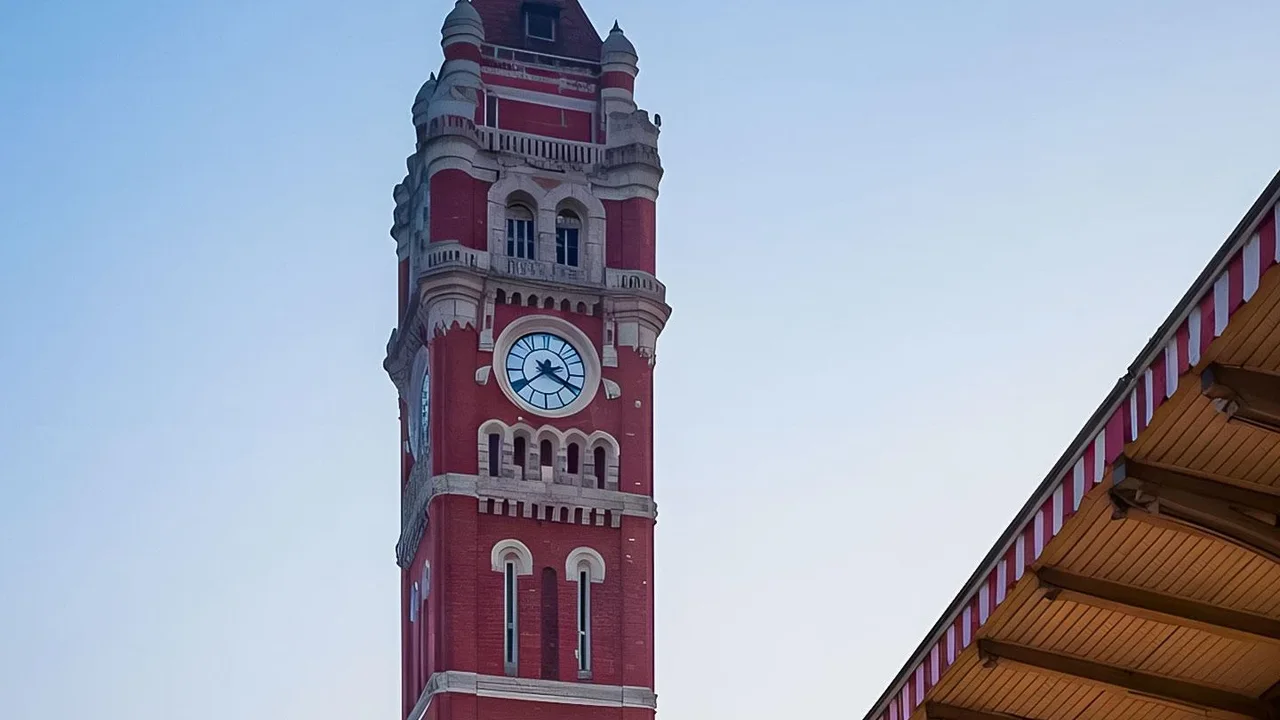
To understand modern Amritsar, one must understand the Partition of 1947. The Partition Museum, the world's first museum dedicated to this monumental event, offers a deeply human perspective on the largest mass migration in history. Located in the historic Town Hall, it uses a powerful collection of oral histories, personal artifacts, letters, and photographs to tell the stories of the millions whose lives were irrevocably changed. The galleries guide you through the period before Partition, the chaos of the divide, and the resilience of those who rebuilt their lives from scratch. It's an emotional and essential visit for understanding the region's recent past.
Maharaja Ranjit Singh Museum: The Lion of Punjab
Housed in the former summer palace of Maharaja Ranjit Singh, this museum pays tribute to the founder of the Sikh Empire. Known as the "Lion of Punjab," his life and reign are chronicled through a rich collection of paintings, weapons, coins, and manuscripts. The museum provides a fascinating glimpse into the art, architecture, and history of the Sikhs during the 18th and 19th centuries. The building itself, set within the beautiful Ram Bagh garden, is a historical artifact, offering a window into the royal life of its time. A panorama building nearby further illustrates the Maharaja's major battles in a grand visual display.
A Culinary Pilgrimage: Amritsar's Street Food
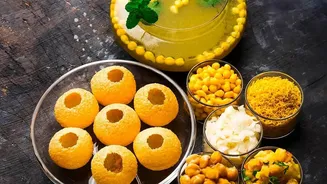
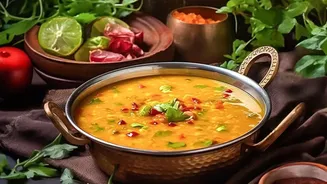
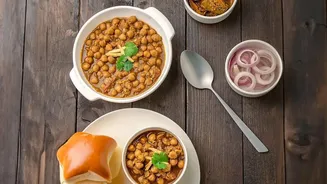
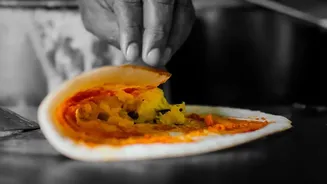
Exploring Amritsar is a journey for the taste buds, and no dish is more iconic than the Amritsari Kulcha. This crispy, flaky bread, stuffed with spiced potatoes and baked in a tandoor, is a culinary masterpiece. Served hot with a generous dollop of butter alongside spicy chole (chickpeas), it’s a breakfast you won't forget. But the city's food story doesn't end there. You must try a tall, frothy glass of Lassi, so thick and creamy it’s a meal in itself. For those with a sweet tooth, the crisp, spiral-shaped Jalebis, fried in ghee and soaked in sugar syrup, are an unmissable treat. Places like Kesar da Dhaba are legendary for their slow-cooked dal, continuing a tradition of authentic Punjabi flavour.