


The Golden Spice: More Than Just Colour
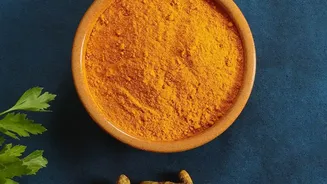
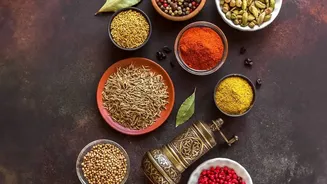
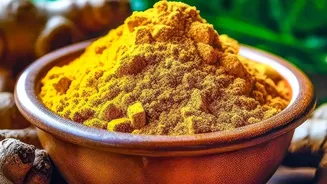
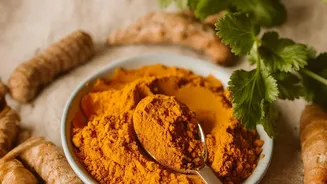
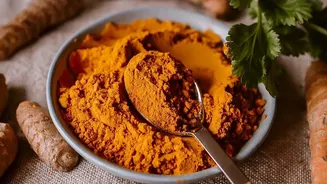
Turmeric, or 'haldi', is the ingredient that gives many Indian curries their iconic golden-yellow hue. But its contribution is far more than just visual. It has a warm, earthy, and slightly bitter flavour that grounds the other spices in a dish. While
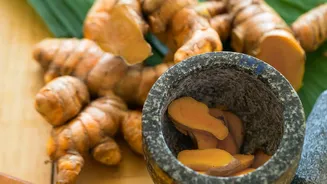
most commonly used in its powdered form, fresh turmeric root offers a brighter, more peppery taste. Beyond its culinary role, turmeric has been a cornerstone of Ayurvedic tradition for centuries. It contains curcumin, a compound known for its powerful antioxidant and anti-inflammatory properties. From the simplest dal to complex masalas, turmeric is fundamental, believed not only to flavour food but also to aid in digestion.
The Fiery Root: A Kick of Warmth and Zest
Ginger, known as 'adrak', provides the gentle, pungent heat that is characteristic of so much Indian food. Its zesty, slightly sweet flavour cuts through richness and adds a fresh, aromatic lift. Whether it's grated fresh into a simmering pot, pounded into a paste with garlic, or steeped to make a soothing tea, ginger is incredibly versatile. Its benefits are just as notable. For generations, it has been used to aid digestion, soothe nausea, and ease stomach discomfort. Modern studies suggest it can also help regulate blood sugar and is packed with antioxidants. The natural compound gingerol is responsible for many of these benefits, including its ability to encourage efficient digestion.
A Power Couple in the Kitchen
Turmeric and ginger belong to the same plant family and have been used together in Ayurvedic cooking for centuries. There's a culinary magic that happens when these two are combined. The earthy depth of turmeric and the zesty heat of ginger create a balanced and complex flavour base that is essential for countless Indian recipes. This pairing is no accident; they work in synergy. The combination is a staple in marinades, chutneys, and the foundational ginger-garlic paste that starts many Indian dishes. Together, they don't just taste good; they enhance each other's beneficial properties, particularly in promoting healthy inflammatory responses.
Beyond the Curry: Everyday Uses
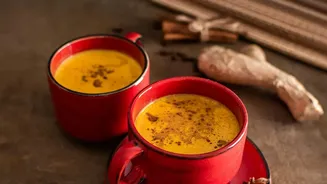
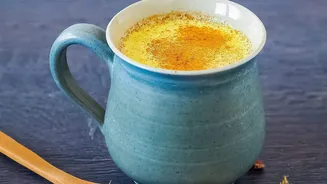
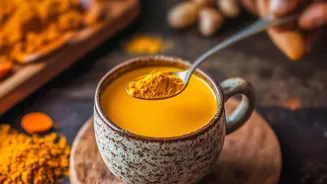
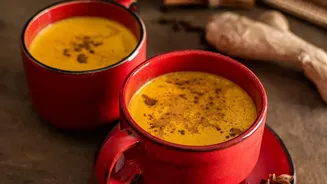
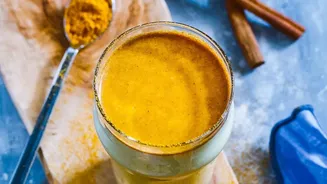
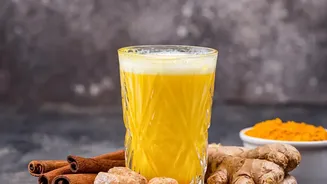
Integrating these spices into your daily routine is simple. Start your day with a warm tea made by simmering fresh slices of ginger and turmeric with a squeeze of lemon. Add a pinch of turmeric powder while cooking rice to give it a beautiful golden colour and a subtle, earthy flavour. A classic 'tadka' of spices sizzled in ghee or oil, often including ginger, is the perfect finishing touch for a simple bowl of lentils (dal). You can also make a simple and refreshing pickle with fresh, thinly sliced turmeric and ginger, lemon juice, and salt, which pairs wonderfully with yogurt rice.
Tips for Buying and Storing
When buying fresh turmeric and ginger, look for firm, plump roots with smooth skin. Avoid any that are soft, shriveled, or mouldy. Fresh, unpeeled roots can be stored in the refrigerator for a couple of weeks. To prolong their life, you can freeze them whole. Grate them directly from the freezer as needed; there's no need to thaw them first, which can make them mushy. Dried powders should be kept in an airtight container in a cool, dark place away from heat and sunlight to preserve their flavour and potency.