






Meet Your Unwanted Pantry Guests
In Indian kitchens, the most common pantry pests are insects like the Indian meal moth, flour beetles, and various weevils. These pests don't just appear out of nowhere; they often hitch a ride into your home inside packaged goods from the store. The adult
moths or beetles might lay eggs in flour, suji (semolina), rice, spices, dried fruit, or cereals. The real damage is done by the larvae, which hatch and begin to feed, contaminating your food with webbing, droppings, and shed skins. While accidentally consuming them is generally not harmful, they spoil food, leading to waste and the unpleasant task of a major clean-out.
Viral Hacks vs. Proven Prevention
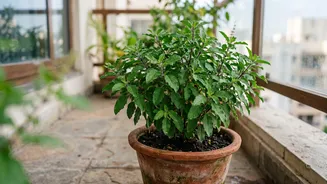
The internet is full of quick fixes for pantry pests. A popular one is placing bay leaves in flour containers. While bay leaves do contain a compound called eucalyptol that insects find unpleasant, their effectiveness is minimal and short-lived. A dried leaf might deter a few stray bugs, but it will not kill eggs or larvae, nor will it stop a full-blown infestation. Other hacks, like using vinegar sprays as a primary killing agent, are also misleading. While a vinegar solution is excellent for cleaning surfaces and removing food residue that attracts pests, it's not a reliable insecticide. These methods provide a false sense of security, while the pests continue to multiply unseen.
The Foundation: Airtight Containers
The single most effective step you can take is to store dry goods in airtight containers. Pests are experts at getting into original packaging, easily chewing through paper, cardboard, and thin plastic bags. Transferring items like flour, rice, dals, sugar, and spices into containers made of glass, metal, or thick, hard plastic creates an impenetrable barrier. This strategy works in two ways: it prevents pests from getting into your food in the first place, and it contains any potential infestation that may have come from the store, stopping it from spreading to your entire pantry. Sealing food also traps the odours that act as a homing beacon for pests.
The Second Pillar: A Clean, Dry Environment
Pests thrive on two things besides the main course: moisture and crumbs. A dry pantry is a hostile environment for many insects that need humidity to develop. Regular cleaning is crucial. It’s not enough to just store food properly; you must also eliminate the small spills and stray particles that can sustain a pest population. Get into the habit of wiping down shelves, especially after decanting new groceries. Spilled flour in a dark corner or a few grains of rice at the back of a shelf is a feast for bugs. A monthly wipe-down with a simple soap and water or a mild vinegar solution can remove these hidden food sources and make your pantry far less attractive to invaders.
Your Pantry Reset and Prevention Checklist
If you suspect a problem or want to start fresh, follow these steps. First, inspect everything. Take all items off your shelves and check every package for signs of pests, including holes, webbing, or the insects themselves. Second, discard any contaminated food immediately in an outdoor bin. For items you're unsure about, you can freeze them for at least four days to kill any potential eggs or larvae. Third, deep clean. Vacuum every shelf, corner, and crevice to remove all debris, then wash the surfaces thoroughly. Finally, adopt smart storage habits. As you restock, transfer all dry goods to your airtight containers. Practice the 'first-in, first-out' method by using your older products before newer ones. By making these simple actions a routine, you build a robust defence that no viral hack can match.