









An Unquenchable Thirst for Energy
To fuel its economic engine, India has become the world's third-largest consumer of oil. However, with domestic production meeting only a fraction of its needs, the country relies on imports for over 88% of the crude oil it consumes. This staggering dependency
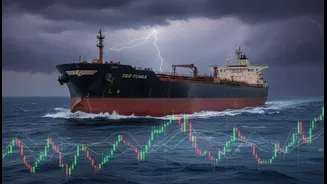
means that India's economic health is intrinsically linked to the volatile fluctuations of global energy markets. Geopolitical events, like conflicts in the Middle East which supplies a significant portion of India's oil, can cause prices to spike, sending shockwaves through the entire economy. The Strait of Hormuz, a critical chokepoint for global oil transit, remains a particular point of concern.
The Ripple Effect of High Prices
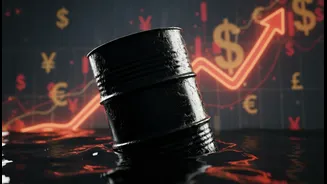
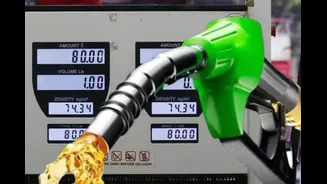
When crude oil prices rise, the impact is felt far beyond the petrol pump. A sustained increase of just $10 per barrel can widen India's current account deficit (CAD)—the gap between imports and exports—by a significant margin and shave points off GDP growth. This happens because a higher oil import bill requires more foreign currency, primarily US dollars, putting downward pressure on the rupee. A weaker rupee makes all imports more expensive, not just oil, feeding directly into inflation. Higher transport costs for goods, from food to consumer products, mean that households feel the pinch in their daily budgets, while key industries like chemicals, paints, and aviation see their profit margins shrink.
The Government's Policy Tightrope
For policymakers in New Delhi, high oil prices create a difficult balancing act. The government faces the tough choice of either allowing fuel prices to rise, which can fuel public discontent and broad-based inflation, or absorbing the cost through subsidies. While subsidies can provide temporary relief to consumers, they strain the government's finances, potentially increasing the fiscal deficit and diverting funds from other essential development projects. This fiscal pressure limits the government's ability to invest in infrastructure and social programs, which are crucial for long-term growth.
The Search for Resilience
Recognizing this vulnerability, India is pursuing a multi-pronged strategy to enhance its energy security. A key initiative is the aggressive push for renewable energy. India has made remarkable strides, becoming one of the top countries for installed renewable capacity, particularly in solar power. The country has already surpassed its goal of having 50% of its installed electricity capacity from non-fossil fuel sources, well ahead of its 2030 target. Another major push is the Ethanol Blended Petrol (EBP) programme. By mandating a 20% ethanol blend in petrol (E20), India aims to reduce crude imports, save foreign exchange, and lower emissions. The government is also expanding its Strategic Petroleum Reserves (SPRs)—underground caverns that store crude oil for emergencies—to create a buffer against sudden supply disruptions.