








The New Digital Compass
The way Indians travel is undergoing a fundamental change, moving beyond simply booking flights and hotels online. The current digital shift is about discovery. It’s a powerful mix of Artificial Intelligence (AI), social media influence, and a suite of new
government and private platforms designed to make the undiscovered accessible. With affordable data and widespread smartphone use, planning a trip is no longer about static guidebooks but about dynamic, personalised journeys. AI-powered tools now curate itineraries based on interests, not just destinations. Travellers can describe what they want to 'experience'—be it a culinary journey or a specific festival—and receive tailored suggestions. This tech-driven approach is turning the device in your pocket into a compass pointing towards unique, authentic experiences.
From Reels to Real-Life Exploration
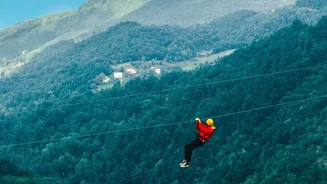
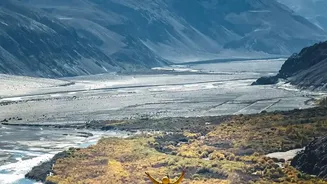
Social media platforms, especially Instagram and YouTube, have become the primary source of travel inspiration for many Indians. A recent survey highlighted that a staggering 72% of respondents discover new and offbeat destinations through Instagram Reels and other short-form videos. A single viral clip of a remote waterfall in Meghalaya or a quaint homestay in the hills of Uttarakhand can instantly add a location to thousands of travel bucket lists. This visual-first discovery process fuels a desire for unique, non-clichéd holidays. Travel startups are tapping into this trend, offering curated trips to lesser-known locations in regions like Kashmir, Ladakh, and the North-East, focusing on sustainable and authentic experiences that go beyond conventional sightseeing. This online buzz is a powerful force, encouraging travellers to move from passive viewing to active exploration.
The Government’s Digital Push
Recognising this trend, the Indian government is actively fostering a digital-first tourism ecosystem. On World Tourism Day 2026, the Ministry of Tourism launched the National Digital Tourism Stack, an open digital infrastructure designed to unify the fragmented travel market. Developed with partners like ONDC, this platform aims to make everything from homestays and local tours to transport options more discoverable and trustworthy on a single interconnected network. This initiative complements the revamped 'Incredible India' digital platform, which uses AI to offer personalised experiences, real-time weather updates, and virtual tours of heritage sites. Furthermore, the 'Dekho Apna Desh 2.0' campaign specifically aims to promote lesser-known but tourism-ready destinations, helping to distribute tourist footfall more evenly across the country and encouraging Indians to become explorers in their own backyard.
Startups Charting New Territories
This digital transformation isn't just happening in major cities. A growing number of travel-tech startups are emerging from Tier II and Tier III cities, creating employment and driving innovation from the ground up. These companies are building platforms that cater to the modern traveller's desire for authenticity. Some connect tourists directly with local guides for hyper-local micro-tours of bustling markets or historical neighbourhoods. Others focus on creating entire ecosystems for experiential travel, such as 'drive-in' campgrounds or community-based tourism in rural villages. By leveraging technology, these startups make it easier for travellers to find and book unique stays like homestays, participate in local workshops, and enjoy experiences that were previously hard to access, thereby channelling tourism revenue directly to local communities.
The Road Ahead: Promise and Pitfalls
While the digital shift promises a more democratic and diverse tourism landscape, it also presents challenges. The same viral social media post that uncovers a hidden gem can also lead to over-tourism, placing a strain on fragile ecosystems and local infrastructure. There is a growing need to promote sustainable and responsible travel practices alongside digital discovery. As AI becomes more integrated, questions around data privacy and the authenticity of AI-curated experiences will also need to be addressed. The future will likely see even more advanced tools, like AR-powered guides that bring monuments to life and VR previews that let you 'visit' before you book. The key will be to balance this technological advancement with a commitment to preserving the very culture and nature that travellers are seeking.