



Beyond the Pookalam and Sadhya
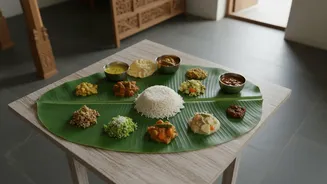
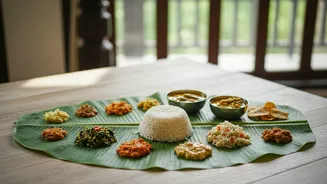
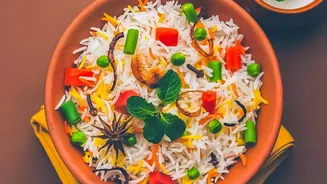
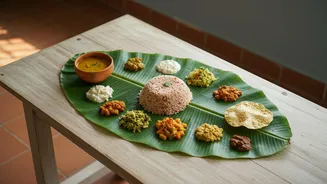
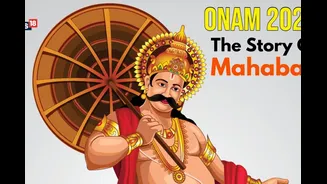
Onam is much more than a harvest festival celebrating the mythical King Mahabali's annual return. For ten days, Kerala transforms into a hub of cultural activity, where tradition is not just remembered but actively performed. While the grand feast, or sadhya,
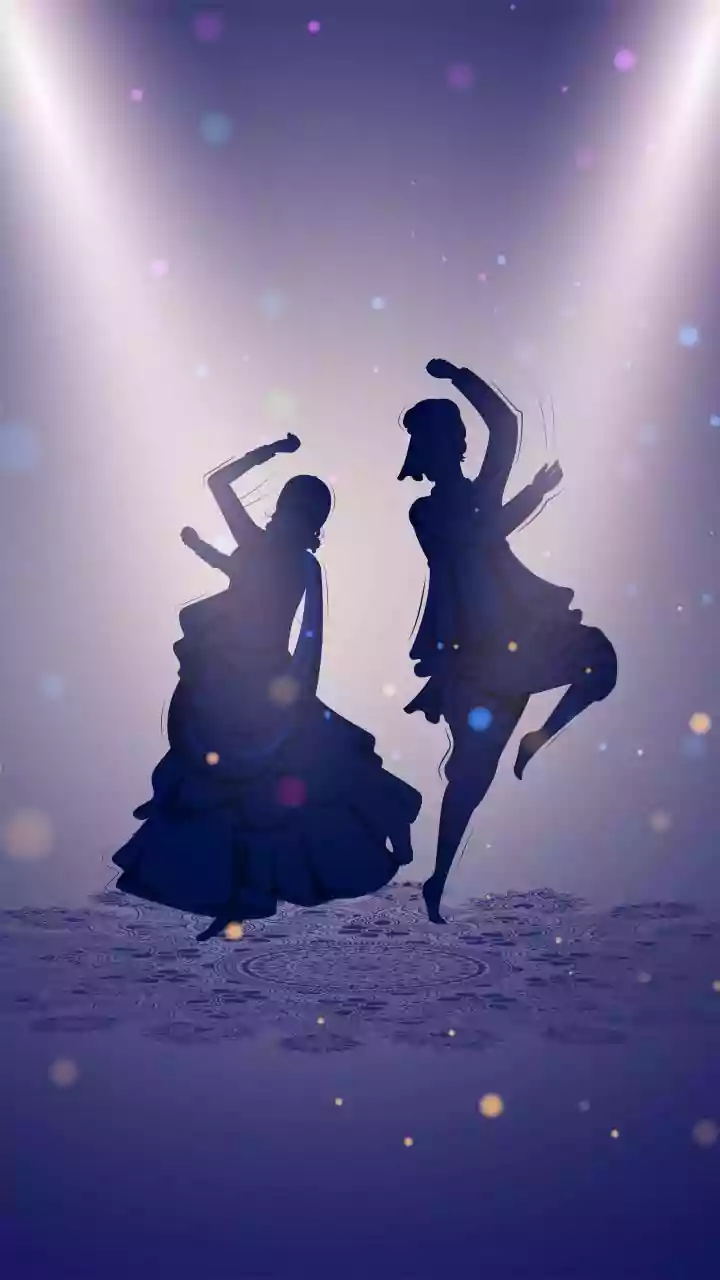
and the stunning floral pookalams are iconic, the festival's soul is also found in its performing arts. From grand, state-sponsored events to intimate community gatherings, Onam provides a vibrant platform for classical and folk dances that tell the stories of the region's history, mythology, and collective identity. These performances are becoming a crucial bridge, connecting a new generation to the artistic heritage of their ancestors.
Spotlight on the Stage
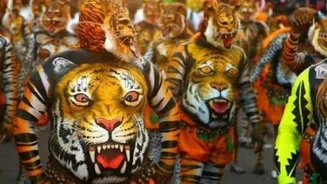
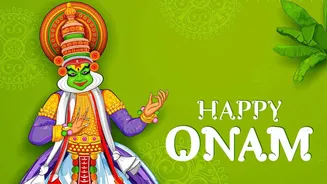
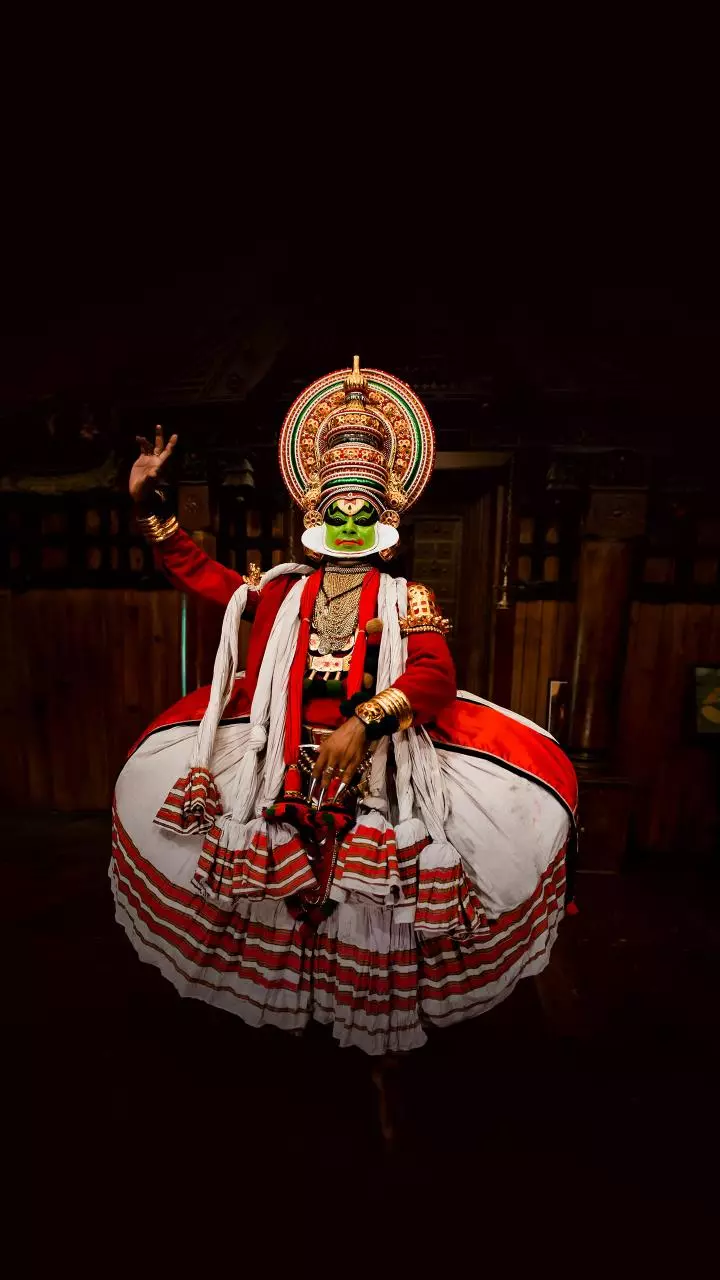
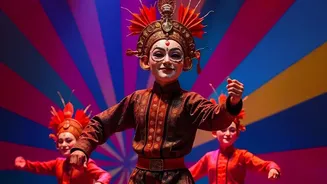
Several distinct dance forms take centre stage during the Onam season. Kathakali, the famous dance-drama, is instantly recognizable for its elaborate makeup and costumes that can take hours to apply. It's a powerful, masculine form of storytelling, bringing epic tales from the Mahabharata and Ramayana to life. In graceful contrast is Mohiniyattam, the 'dance of the enchantress'. Performed by women in elegant white and gold attire, this classical dance is known for its fluid, swaying movements and subtle expressions. Beyond the classical, folk traditions thrive. Women perform Thiruvathira Kali (also known as Kaikottikali) in a circle, often around a lamp, celebrating marital fidelity with rhythmic, clapping steps. Meanwhile, the streets of Thrissur come alive with the boisterous energy of Pulikali, the 'tiger dance', where performers painted as tigers and leopards dance to the beat of traditional percussion.
A Modern Renaissance
The growing engagement of younger audiences isn't happening by accident. It's fueled by a combination of conscious effort and a changing cultural mindset. There is a renewed pride in embracing indigenous traditions. Cultural bodies like the Kerala Folklore Akademi are actively working to discover and document hundreds of vanishing art forms, giving them new visibility. At the same time, organizers are adapting to modern attention spans. They are offering workshops, creating shorter performance modules, and leveraging social media to showcase these arts in a format that resonates with a digital-native generation. The visual spectacle of a Kathakali performance or the synchronized grace of Mohiniyattam are perfectly suited for platforms like Instagram and YouTube, creating new pathways for discovery.
The People Behind the Performance
This revival is powered by a diverse group of people. It includes veteran artists who have dedicated their lives to preserving their craft and are now finding eager students. It also includes local community associations in Kerala and abroad, which organize cultural programmes for festivals like Onam, ensuring that traditions are passed on. Schools and colleges play a vital role, incorporating folk and classical arts into their annual day functions and youth festivals. These platforms give young people their first taste of performance, moving them from passive observers to active participants. This grassroots energy ensures that the dances are not just museum pieces but a living, breathing part of community life.
Forging a New Tradition
For the young people watching and participating, these Onam dance programmes are more than just entertainment. They are a powerful link to their identity and heritage. In a rapidly globalizing world, these performances offer a sense of belonging and cultural continuity. Learning the intricate mudras (hand gestures) of Mohiniyattam or feeling the powerful rhythm of the chenda drums during a Kathakali show connects them to a lineage of artists and storytellers stretching back centuries. It fosters an appreciation for the discipline, artistry, and deep mythological knowledge embedded in these forms, ensuring they are not just preserved, but cherished and carried forward with renewed relevance and passion.