









First, What Are CAFE Norms?
Corporate Average Fuel Economy (CAFE) standards are regulations that require automakers to meet a specific average fuel efficiency level across their entire fleet of cars sold in a year. Instead of setting a rule for each individual car model, CAFE norms
look at the overall average. This means a car company can still sell larger, less efficient vehicles, as long as they also sell enough smaller, highly efficient models to balance out their fleet's average carbon emissions. In India, these standards are administered by the Bureau of Energy Efficiency (BEE) and are a key part of the country's strategy to reduce oil imports, cut carbon emissions, and improve air quality.
The Big Change: Market-Based Compliance
The standout feature of the draft CAFE III regulations is the introduction of a market-based compliance mechanism, including a credit trading system. This is a new, more flexible approach for India. Here’s how it works: automakers that over-comply and build fleets that are more efficient than the target will earn credits. These credits can then be sold to other manufacturers who are struggling to meet their targets. Companies can also choose to bank their credits for future use or purchase them directly from the BEE if they fall short. This creates a marketplace for efficiency, giving carmakers financial incentives to invest in cleaner technologies.
What Else Is New in CAFE III?
Beyond credit trading, the CAFE III draft introduces several other crucial updates. The emission targets will become progressively stricter, starting from the 2027-28 financial year through 2031-32. The proposal aims to lower the fleet average CO2 emissions from around 91.7 grams per kilometre under the new testing cycle. Another major change is the shift from the old Modified Indian Driving Cycle (MIDC) test to the globally recognized Worldwide Harmonised Light Vehicles Test Procedure (WLTP), which is considered more representative of real-world driving conditions. The draft also introduces benefits for vehicles using ethanol-blended fuel and other biofuels for the first time.
Winners and Losers in the Auto Industry
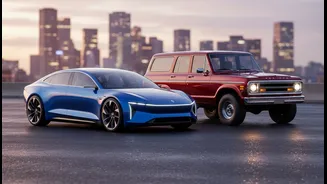
This new system will impact different automakers in different ways. Manufacturers with a strong portfolio of electric vehicles (EVs) and hybrids, which receive 'super credits' to boost their compliance value, are set to benefit. They will likely generate a surplus of compliance credits that they can sell, creating a new revenue stream. On the other hand, companies that are heavily reliant on traditional internal combustion engine (ICE) vehicles, especially larger SUVs, may face the biggest challenge. They will either need to invest heavily in new technologies like hybridisation and lightweighting or purchase credits from competitors to avoid penalties.
What This Means for Car Buyers
For the consumer, these changes will likely unfold over the next few years. The push for efficiency is expected to lead to a wider variety of EVs, hybrids, and flex-fuel vehicles in the market. While there are concerns that the cost of developing and implementing these new technologies could lead to higher car prices, the regulations are also designed to deliver significant fuel savings for consumers over the lifetime of their vehicle. An analysis by rating agency ICRA suggests the CAFE III norms could result in cumulative fuel savings of around ₹38,000 crore between 2028 and 2032.