





Decoding the Discount
State-owned energy giant Saudi Aramco slashed the official selling price (OSP) for its flagship Arab Light crude for November delivery to Asian customers. The price is now set at a $5 per barrel discount to the regional benchmark, which is the average
of Oman and Dubai crude prices. This represents a dramatic $3 per barrel drop from October's pricing and marks the widest discount for this grade since June 2020. The move was particularly shocking as it flew in the face of market expectations. Analysts surveyed by Reuters and Bloomberg had anticipated a price hike of up to $5, not a cut.
A Battle for Market Share
So, why would the world's largest oil exporter make such a move? The primary driver appears to be an aggressive strategy to defend and expand its market share in Asia. Global oil flows are beginning to stabilize, with Middle Eastern crude exports reportedly reaching 98% of their pre-conflict levels. With more oil becoming available, competition among producers is heating up. By making its crude significantly cheaper, Saudi Arabia is incentivizing major Asian refiners in countries like China, Japan, South Korea, and India to favour its barrels over those from rival producers in the Gulf and beyond. This also puts pressure on other regional producers to follow suit with their own price cuts or risk losing valuable customers.
Compensating for High Shipping Costs
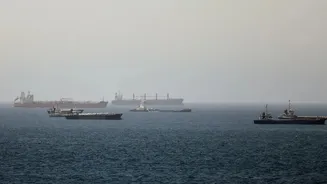
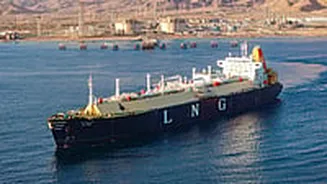
Another crucial factor behind the discount is the sky-high cost of shipping. Geopolitical tensions and disruptions in key shipping lanes, including the Strait of Hormuz, have sent freight rates for massive oil tankers soaring. For instance, the cost to charter a very large crude carrier from the Gulf to China surged to around $1.2 million per day in early October, compared to just $80,000 a year earlier. These exorbitant transport costs eat directly into the profit margins of Asian refiners. By offering a deep discount on the oil itself, Aramco is effectively compensating its buyers for these elevated shipping expenses, ensuring its crude remains an attractive purchase despite the logistical challenges.
A Tale of Two Markets
Interestingly, Saudi Arabia is not applying this discount strategy globally. While prices were slashed for Asia, Aramco simultaneously increased its OSPs for all grades sold to northwest Europe by $3 per barrel. Prices for US buyers were left unchanged. This starkly different approach highlights the varied dynamics of regional energy markets. Exports to Europe, some of which can be routed through the Red Sea, may avoid some of the risks associated with the Strait of Hormuz, giving Aramco more pricing power. The deep cuts for Asia, however, underscore the kingdom's strategic priority to maintain its dominance in the world's most important oil-consuming region.
What Does This Mean for the Global Market?
Aramco's pricing decisions are often seen as a bellwether for the health of the oil market. This unexpected cut has been interpreted by many as a bearish signal, suggesting that Saudi Arabia may be concerned about weakening demand in the near future. The move also coincided with a G7 announcement to release 100 million barrels of crude and diesel from strategic reserves to help tame high prices, adding to signs of loosening supply. While oil prices like Brent and West Texas Intermediate (WTI) saw a slight dip following the news, they remain elevated compared to pre-conflict levels, reflecting persistent geopolitical risk. The Saudi price cut introduces a new, complex variable into the global energy equation, balancing supply concerns with demand realities.