





Fushimi Inari Shrine, Kyoto
The endless tunnels of vibrant red torii gates at Fushimi Inari are unforgettable, but the main paths can feel like a traffic jam. The secret to a peaceful visit is timing and a willingness to walk. The shrine is open 24/7. Arriving at sunrise, around
6 or 7 AM, allows you to experience the morning light filtering through the gates with only a few other visitors. Alternatively, visit in the late afternoon or evening. The lower pathways are illuminated at night, creating a wonderfully atmospheric and quiet experience. Another key tip is to simply keep climbing. Most tourists turn back after the first main loop; the crowds thin out considerably the further you ascend Mount Inari, rewarding you with serene paths and beautiful city views.
Senso-ji Temple, Tokyo
As Tokyo’s oldest temple, Senso-ji in Asakusa is a major draw. The grounds are always open, which is your biggest advantage. To see the famous Kaminarimon (Thunder Gate) and the main hall without the crush, an early morning visit is essential. Arrive before 8 AM, ideally around 6 AM when the main hall opens, to see the temple in a calm, reverent atmosphere. If you're not an early riser, nighttime is another excellent option. After the shops on the Nakamise-dori approach close around 7 PM, the crowds disperse. While the main hall itself closes at 5 PM, the temple buildings and five-story pagoda are beautifully illuminated until around 11 PM, offering a completely different and much more tranquil perspective. For a great photo, head to the free observation deck at the Asakusa Culture Tourist Information Center across the street for a bird's-eye view of the entire complex.
Arashiyama Bamboo Grove, Kyoto
The towering stalks of the Arashiyama Bamboo Grove are an iconic Kyoto image, but the main path is notoriously packed. To find some tranquility, you have a few options. The first is to go extremely early, just after sunrise, before the tour buses arrive. Another strategy is to explore beyond the main, heavily trafficked path. Part of the grove extends into the gardens of the nearby Tenryu-ji Temple, which requires an entrance fee but is often far less crowded. For a truly peaceful experience, consider visiting one of Kyoto's other stunning, lesser-known bamboo groves. Adashino Nenbutsu-ji Temple, located further north in the Arashiyama area, has a beautiful and quiet bamboo path. Just outside Kyoto, the Take-no-Michi path in Muko offers a 1.8-kilometer trail through serene groves that see a fraction of Arashiyama's visitors.
Kiyomizu-dera Temple, Kyoto
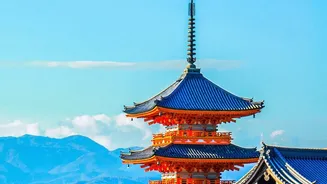
Perched on a hillside with its famous wooden stage offering panoramic views of Kyoto, Kiyomizu-dera is a UNESCO World Heritage site that is almost always busy. Like other temples, the best strategy is to visit right when it opens at 6 AM. Arriving before 8 AM allows you to explore the grounds before the large tour groups arrive, enjoying the peaceful morning light. If mornings don't work, aim for the hour before closing time. While the temple can be busy for sunset views, the crowds are generally smaller than midday. The temple also holds special evening illuminations during the spring and autumn peak seasons, extending its hours and offering a magical, albeit popular, nighttime viewing experience.