
The Forecast in Focus
The projection by India Ratings and Research (Ind-Ra) suggests a significant leap in EV adoption, rising from an estimated 8.5% in the 2026 financial year. This double-digit growth forecast is a key indicator of the sector's momentum, even though the pace
of adoption will vary across different vehicle types. The report highlights that this growth is not a speculative dream but is anchored in favourable ownership economics, a wider array of vehicle choices, and growing consumer acceptance. For the average Indian, this means the sight of green number plates is set to become far more common on our roads in the very near future.
Two and Three-Wheelers Lead the Charge
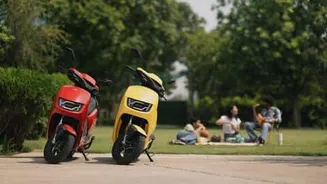
The engine of India's EV growth story isn't the glamorous electric car, but the humble two and three-wheeler. These segments are where electrification makes the most immediate economic sense. Ind-Ra projects that electric three-wheelers will be the most electrified category, potentially reaching a staggering 62-65% penetration by FY27, up from 59% in FY26. This is largely driven by commercial operators who benefit from lower running costs. Similarly, electric two-wheelers are expected to capture 8-10% of their market segment, fuelled by the convenience of home charging, a growing portfolio of models from major brands like TVS and Bajaj, and lower operating expenses compared to their petrol counterparts.
Passenger Cars and Buses Are Catching Up
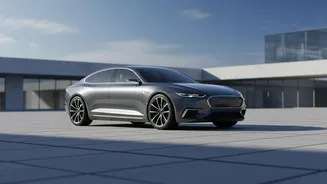
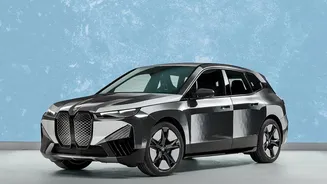
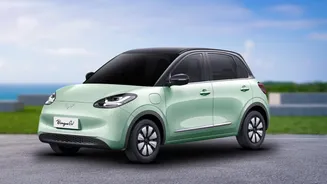
While two-wheelers are the volume drivers, the electric passenger vehicle segment is also poised for robust growth, albeit from a smaller base. The forecast sees electric cars reaching a 6-8% market share by FY27, a notable jump from 4.4% in FY26. This expansion is being supported by a wave of new model launches from companies like Tata Motors, Mahindra, and MG, which are broadening choices for consumers. However, adoption is expected to remain concentrated in metro cities and among higher-income buyers for now. In public transport, electric buses are also gaining ground, with penetration expected to hit 6-8%, aided by government procurement programs and strong order books from state transport undertakings.
The Roadblocks Ahead
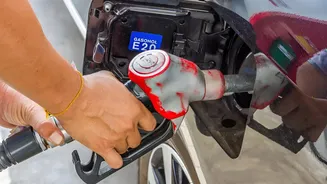
Despite the optimistic outlook, the path to 12% is not without its challenges. The most significant hurdle remains the charging infrastructure, which is still inadequate, especially outside of major metropolitan areas. This creates 'range anxiety' for potential buyers concerned about long-distance travel. High upfront costs for electric cars, compared to their internal combustion engine (ICE) equivalents, also remain a major deterrent for India's price-sensitive market. Furthermore, the industry's success will depend on developing a stronger domestic manufacturing ecosystem, particularly for critical components like batteries, to reduce reliance on imports and improve profitability for manufacturers, most of whom are still reporting losses as they invest heavily in technology and capacity.
Policy and the Bigger Picture
Government support has been a critical catalyst for the EV market. Schemes like FAME (Faster Adoption and Manufacturing of Electric Vehicles) and its successor, PM E-DRIVE, have provided crucial upfront subsidies to make EVs more affordable. These policies are not just about selling cars; they are tied to larger national goals. By encouraging a shift to electric mobility, the government aims to reduce India's massive oil import bill, cut down on urban air pollution, and build a new, future-ready manufacturing industry. The continued policy support, combined with increasing private investment and consumer awareness, forms the foundation upon which this ambitious 12% target is built.