






The Modern Posture Problem
Look around any office, cafe, or bus, and you will see it: the subtle forward hunch, the rounded shoulders, and the head tilted down. This posture, often dubbed 'tech neck,' is a side effect of our screen-centric lives. Hours spent hunched over desks,
laptops, and smartphones place continuous strain on the neck and upper back while weakening the core muscles responsible for keeping us upright. Many people head to the gym to counteract this sedentary lifestyle, only to find that traditional strength training or cardio might not directly address these postural imbalances. Lifting heavy weights with poor alignment can sometimes worsen the problem, and running does little to correct a slouched spine. This has led fitness enthusiasts to seek a more targeted solution.
Pilates: The Alignment Architect
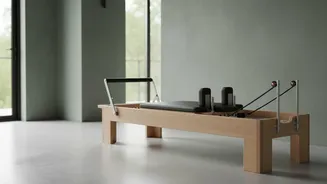
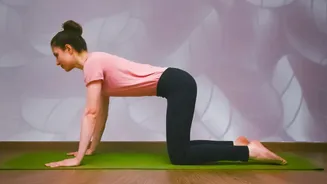
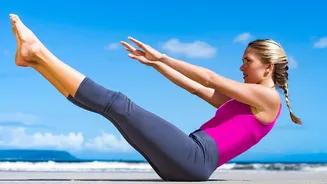
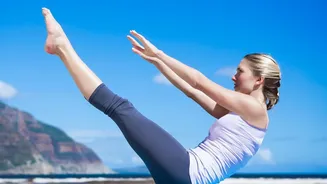
This is where Pilates steps in. Once a niche practice for dancers and rehabilitation, it has become a mainstream solution for postural correction. The power of Pilates lies in its focus on the deep core muscles, body awareness, and controlled movement. Pilates trains the smaller, stabilizing muscles of the trunk, back, and pelvic floor to work in harmony. Unlike exercises that isolate large muscle groups, Pilates promotes balanced strength across the entire body, correcting the muscular imbalances that lead to poor posture. Through precise, low-impact movements, practitioners learn to engage their core and elongate their spine, creating a foundation for better alignment that carries over into everyday life. It is this emphasis on control and awareness that helps individuals stand taller, reduce back pain, and move with more grace and efficiency.
Redefining Endurance
On the other side of the fitness coin is endurance. For years, the go-to for building endurance was long, steady-state cardio like running or cycling. While effective for cardiovascular health, this approach sometimes overlooks a crucial component: core endurance. Core endurance is the ability of your abdominal and lower back muscles to support your spine and maintain stability over a sustained period or during dynamic activity. It's what keeps your form from breaking down on the last mile of a run, what helps you lift groceries without straining your back, and what provides the power for explosive movements in sports. A weak core under fatigue leads to poor form, reduced power, and an increased risk of injury.
Circuits for Core Stamina
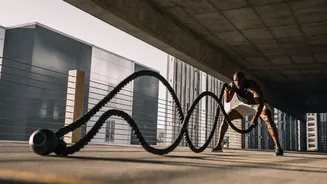
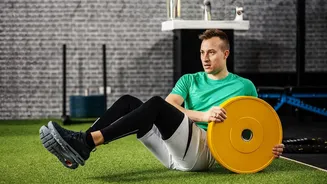
To build this specific type of stamina, many are turning to circuit routines. Circuit training involves performing a series of different exercises back-to-back with minimal rest. When these circuits are designed with core-centric movements—like planks, Russian twists, mountain climbers, and wood chops—they become a powerful tool for building core endurance. The format forces the core to stay engaged and stabilize the body under continuous stress, challenging the muscles far more than isolated ab crunches. By keeping the heart rate elevated, circuit training also delivers a significant cardiovascular workout, making it a highly time-efficient way to build both strength and stamina simultaneously. This high-intensity, multi-faceted approach prepares the body for the demands of both athletic performance and daily life.
A Smarter, Balanced Routine
The rise of these two trends isn't a coincidence; it reflects a broader shift towards smarter, more holistic fitness. Gym-goers are moving away from the one-size-fits-all mentality and are instead building routines that address their specific needs. Pilates lays the foundation, correcting alignment, enhancing body awareness, and building the deep core strength necessary for safe and effective movement. Circuit training then builds upon that stable base, adding a layer of high-intensity conditioning that challenges the core's endurance and boosts overall cardiovascular fitness. Together, they create a synergistic pairing: a body that is not only strong and lean, but also well-aligned, resilient, and functionally fit for the challenges of modern life.