



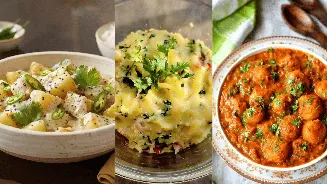

A Brief History of the Aloo
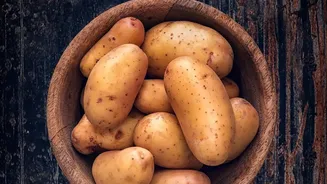
The potato, originally from South America, was introduced to India in the early 17th century by Portuguese traders who called it 'batata'. Initially grown along the western coast, its cultivation was later expanded by the British, who saw its potential
as a resilient crop. What started as a foreign vegetable soon integrated itself so deeply into local food cultures that it’s now a quintessential part of Indian cooking. From a luxury item in a Nawab's biryani to a humble staple, the aloo's journey reflects India's own history of adaptation and innovation.
East: Bengal's Comforting Aloo Posto
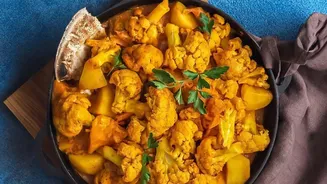
In West Bengal, the potato finds its most iconic expression in Aloo Posto, a dish that defines comfort for many Bengalis. It features potatoes cooked in a thick, nutty paste of poppy seeds (posto). Often simply seasoned and cooked in pungent mustard oil, the dish balances the earthy flavour of potatoes with the unique, subtle bitterness of the poppy seeds. While countless variations exist from one household to another—some with onions, some without—its soul remains the same: a simple, satisfying dish best enjoyed with rice and dal.
North: Kashmir's Rich Dum Aloo
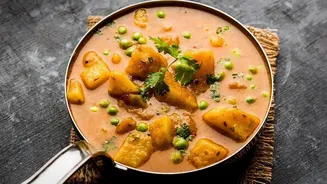
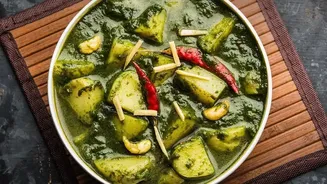
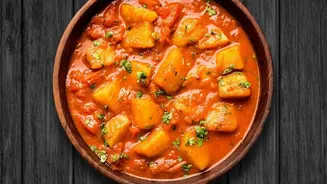
Originating from the valleys of Kashmir, Dum Aloo is a testament to the region's sophisticated culinary traditions. This dish typically uses baby potatoes, which are first fried and then slow-cooked ('dum' style) in a rich, spicy gravy. The authentic Kashmiri Pandit version is notable for its vibrant red colour, derived from Kashmiri chillies, and its aromatic base of fennel powder and ginger, often using yogurt instead of tomatoes and onions. This slow-cooking method allows the potatoes to absorb all the fragrant spices, resulting in a deeply flavorful and aromatic curry.
West: Maharashtra's Iconic Batata Vada
In Maharashtra, the potato is the heart of the region's most famous street food: the Batata Vada. It consists of a spicy mashed potato mixture, seasoned with ginger, garlic, and green chillies, which is then coated in a gram flour batter and deep-fried to golden perfection. While delicious on its own, it achieves legendary status when stuffed inside a soft bread roll (pav) to create Vada Pav, Mumbai's quintessential on-the-go meal. First created in 1966 outside Dadar station, it became a quick, affordable, and filling meal for the city's mill workers and has since become a symbol of Mumbai's bustling street food culture.
South: The Fiery Urulai Kizhangu Roast
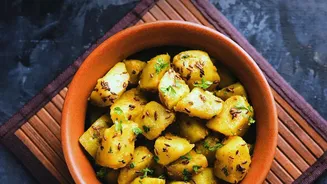
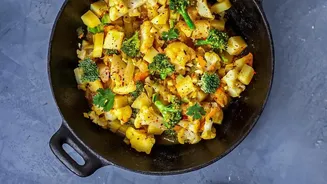
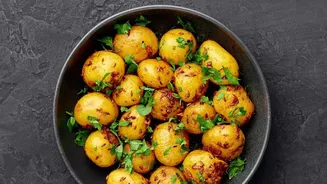
Travel down to Tamil Nadu and you'll find the potato in a completely different avatar: the Urulai Kizhangu Roast. Known for its crispy exterior and soft interior, this dish involves pan-roasting boiled potatoes with a blend of potent South Indian spices. Tempered with mustard seeds and curry leaves, the potatoes are often coated with sambar powder or red chilli powder, giving them a distinctively spicy and savoury kick. It’s a simple yet incredibly flavourful side dish, perfectly complementing a traditional meal of sambar, rasam, and rice.
The Heart of the Street: Aloo Tikki Chaat
Across North India, especially in the bustling lanes of Delhi and Uttar Pradesh, the aloo is the star of the street food scene in the form of Aloo Tikki Chaat. Crispy, pan-fried potato patties (tikkis) are smashed and topped with a vibrant medley of tangy tamarind chutney, spicy green chutney, creamy yogurt, and a sprinkle of chaat masala. This dish, with roots possibly tracing back to the Mughal era, is a flavour explosion in every bite, perfectly balancing sweet, sour, spicy, and savoury notes. It’s a communal, celebratory snack that embodies the spirit of Indian street food.